🌱 4 Key Phases of Wingpod Purslane Development
Portulaca umbraticola
By the Greg Editorial Team
Sep 30, 2024•4 min read
This article was created with the help of AI so we can cover more plants for you. May contain errors. See one? Report it here.
Discover how to cultivate vibrant wingpod purslane 🌱 through its fascinating growth stages for a thriving garden! 🌼
- 🌱 Wingpod purslane germinates in 5-14 days under optimal conditions.
- ☀️ Full sun to partial shade is essential for healthy growth and flowering.
- 🌿 Nutrient needs change throughout its life cycle, especially during vegetative growth.
Germination Stage
🌱 Duration of Germination
The germination stage of Wingpod purslane is relatively quick, typically taking 5 to 14 days. For optimal results, maintain a temperature range between 20°C to 30°C (68°F to 86°F).
🌟 Conditions for Successful Germination
To ensure successful germination, focus on the following conditions:
Soil Type
Use well-draining sandy or loamy soil. This type of soil prevents waterlogging, which can hinder seed development.
Moisture Requirements
Keep the soil consistently moist but avoid overwatering. Too much water can drown the seeds, while too little can halt germination.
Light Exposure
Aim for full sun to partial shade. Adequate light is crucial for the seeds to sprout and thrive.
By meeting these conditions, you set the stage for healthy growth and a robust plant. Next, we’ll explore the seedling stage, where the real transformation begins.
Seedling Stage
🌱 Characteristics of Seedlings
Seedlings of wingpod purslane are a sight to behold. They feature small, fleshy leaves that boast a vibrant green color, signaling their health and vitality.
Their growth habit is low and sprawling, allowing them to spread outwards as they establish themselves. This growth pattern not only maximizes sunlight exposure but also prepares them for the next phases of development.
⏳ Duration of the Seedling Stage
The seedling stage lasts approximately 2-4 weeks. During this time, you'll want to look for the development of 2-3 sets of true leaves, which indicate that your seedlings are ready to transition to the next growth stage.
This period is crucial for setting the foundation for robust plants, so keep an eye on their progress. As they flourish, you can feel the excitement building for what comes next!
Vegetative Growth Stage
Growth Patterns and Changes 🌱
During the vegetative growth stage, wingpod purslane experiences rapid expansion. This sprawling growth habit allows it to cover ground quickly, making it an excellent ground cover plant.
As the plant matures, its leaves increase in size and thickness. This enhancement boosts photosynthesis, enabling the plant to harness more energy from sunlight.
Duration of Vegetative Growth ⏳
The vegetative growth phase lasts approximately 4 to 8 weeks. This timeframe can vary based on several factors that influence growth.
Soil fertility plays a crucial role in how well the plant thrives. Additionally, water availability and sunlight exposure significantly impact its growth rate.
Understanding these factors can help you optimize conditions for your wingpod purslane. By providing the right environment, you can ensure a healthy, vibrant plant ready for the next stage of development.
With the vegetative growth stage complete, the plant is well on its way to producing beautiful flowers. Let’s explore what happens next in the flowering stage.
Flowering Stage
Flower Characteristics and Timing 🌼
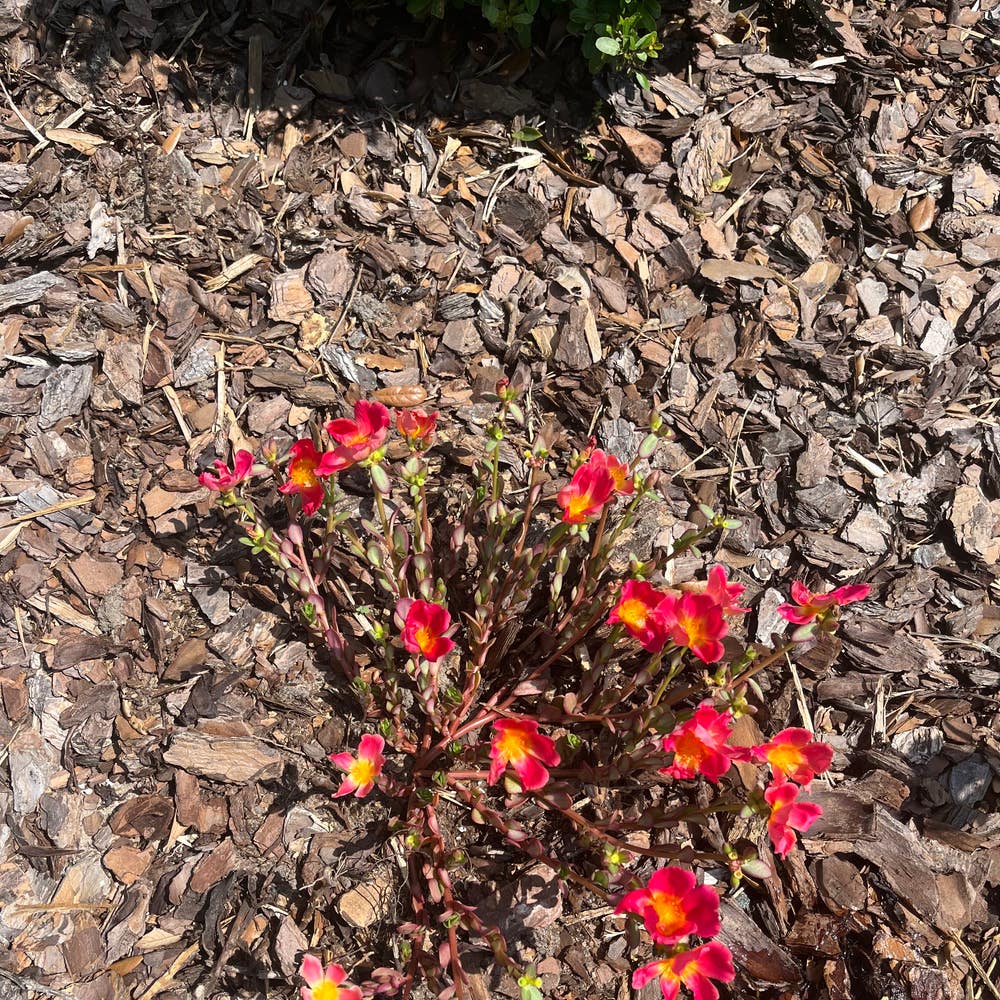
Wingpod purslane showcases small, vibrant yellow flowers with five distinct petals. These charming blooms typically emerge 6 to 10 weeks after germination, marking an exciting phase in the plant's life cycle.
Pollination Process 🐝
Wingpod purslane primarily relies on self-pollination, making it quite efficient in producing seeds. However, it can also attract pollinators, which enhances genetic diversity and ensures robust seed production.
Pollination is crucial for the plant's reproductive success. It not only facilitates seed formation but also contributes to the overall health of the ecosystem by supporting biodiversity.
As we transition from the flowering stage, it's essential to understand how these flowers lead to seed production and maturation. This next phase is where the magic of growth truly unfolds.
Seed Production and Maturation
Seed Formation and Dispersal 🌬️
The seed formation process in wingpod purslane results in small, round, and numerous seeds. These seeds are adept at dispersing through various methods, including wind, water, and self-dispersal mechanisms.
Duration of Seed Production Phase ⏳
After flowering, the seed production phase lasts about 2-4 weeks. Under optimal storage conditions, these seeds can remain viable for several years, ensuring future growth.
Growth Rate and Maturation 📈
From seed to maturity, wingpod purslane typically takes around 2-3 months. The growth rate is influenced by several factors, including soil quality, water availability, and environmental conditions.
Notable Changes Throughout Life Cycle 🔄
Throughout its life cycle, wingpod purslane undergoes significant transformations. It transitions from small seedlings to sprawling mature plants, showcasing its adaptability.
The development of flowers leads to the formation of seed pods, marking a crucial phase in its lifecycle. Nutrient needs also shift; during vegetative growth, there's an increased demand for nitrogen.
Moreover, this plant exhibits remarkable resilience to drought and poor soil conditions, highlighting its ability to thrive in challenging environments. This adaptability not only ensures its survival but also contributes to its robust growth.
As we explore the fascinating journey of wingpod purslane, we can appreciate the intricate processes that enable it to flourish. Next, we’ll delve into the specific factors that influence its growth and how to optimize conditions for successful cultivation.
⚠️ Safety First
This content is for general information and may contain errors, omissions, or outdated details. It is not medical, veterinary advice, or an endorsement of therapeutic claims.
Always consult a qualified healthcare professional before using any plant as food, medicine, or supplement.
Never eat any plant (or feed one to pets) without confirming its identity with at least two trusted sources.
If you suspect poisoning, call Poison Control (800) 222-1222, the Pet Poison Helpline (800) 213-6680, or your local emergency service immediately.
Spotted an error? Please report it here.
Master the growth phases of wingpod purslane 🌱 with Greg's tailored watering plans and reminders, ensuring your seeds thrive from germination to flowering!