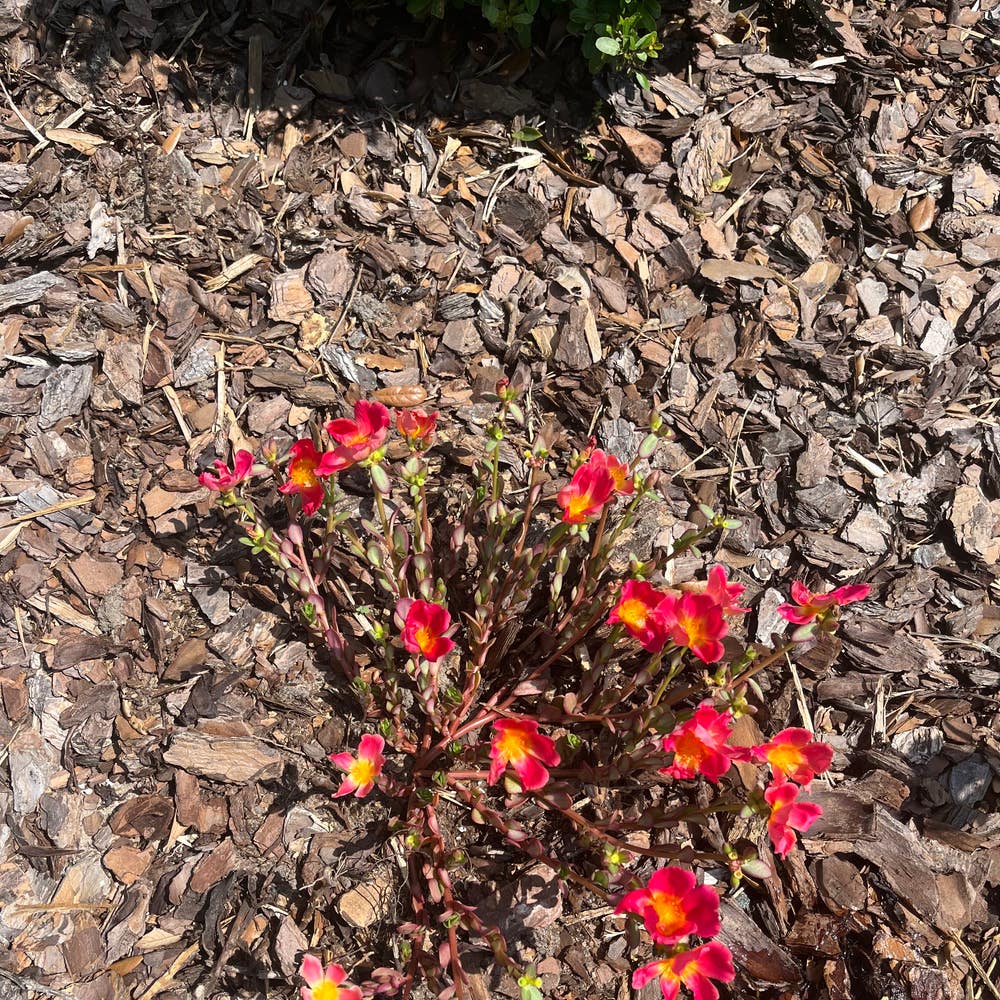
🌞 Optimal Hardiness Zones for Wingpod Purslane: 5a-11b
Portulaca umbraticola
By the Greg Editorial Team
Sep 30, 2024•4 min read
This article was created with the help of AI so we can cover more plants for you. May contain errors. See one? Report it here.
Master Wingpod Purslane's temperature tolerance 🌱 to cultivate a thriving garden in any climate!
- 🌱 Wingpod Purslane thrives in USDA zones 5a to 11b, adaptable to various climates.
- 🌞 Full sun and well-draining soil are essential for optimal growth and health.
- ❄️ Avoid harsh winters; cold climates like North Dakota are unsuitable for Wingpod Purslane.
Temperature Tolerance
❄️ Cold Tolerance Specifics
Wingpod Purslane can tolerate minimum temperatures down to 20°F (-6°C). This hardy plant also withstands light frost, making it resilient in cooler climates.
Understanding the impact of first and last frost dates is crucial for successful growth. These dates dictate when to plant and when to harvest, ensuring optimal yields.
🔥 Heat Tolerance Specifics
On the flip side, Wingpod Purslane thrives in heat, with a maximum temperature tolerance of up to 100°F (38°C). However, prolonged exposure to extreme heat can stress the plant, affecting its overall health.
Monitoring heat levels is essential, especially during summer months. This ensures the plant remains vigorous and productive.
🌡️ Ideal Temperature Ranges for Growth
For optimal growth, aim for temperatures between 60°F and 85°F (15°C to 29°C). This range supports robust development and vibrant foliage.
Seasonal temperature variations can influence growth patterns. Being aware of these changes helps in planning planting and care strategies effectively.
Ideal Growing Regions
🌍 Examples of US States in Zones 5a-11b
Wingpod Purslane thrives in a variety of climates across the United States. In hardiness zone 5a, you can find it flourishing in parts of Illinois and Indiana.
On the other end of the spectrum, states like southern Florida and southern California fall into zone 11b, providing the warm conditions this plant loves.
🌱 Factors Contributing to Ideal Growing Conditions
For optimal growth, Wingpod Purslane prefers well-draining, drought-resistant soils. These soil types help prevent waterlogging, which can be detrimental to the plant.
Additionally, full sun exposure is crucial. This plant thrives when it receives plenty of sunlight throughout the day.
☀️ Regional Climate Characteristics
The climate in ideal growing regions is generally warm and temperate. These areas often experience mild winters and warm summers, creating a perfect environment for Wingpod Purslane.
Rainfall patterns and humidity levels also play a significant role. Consistent rainfall without excessive humidity supports healthy growth, allowing the plant to flourish without stress.
As we explore further, understanding microclimates will reveal how localized conditions can impact the growth of Wingpod Purslane.
Microclimates and Their Impact
🌦️ Definition and Mechanisms
Microclimates are localized climate variations that differ from the surrounding area. Factors such as elevation, proximity to water, and urban development play significant roles in creating these unique environments.
These microclimates can moderate temperatures, providing a more favorable growing environment for plants like Wingpod Purslane. For instance, areas near bodies of water often experience milder temperatures due to the water's heat retention properties.
🌍 Examples of Microclimates Affecting Growth
Urban areas frequently develop heat islands, where concrete and asphalt absorb and retain heat. This can lead to higher temperatures, which may benefit heat-loving plants but can stress others.
Coastal regions, on the other hand, often enjoy moderated temperatures thanks to ocean breezes. These conditions can create a more stable environment for Wingpod Purslane, allowing for healthier growth.
Understanding microclimates is crucial for optimizing the cultivation of Wingpod Purslane. By recognizing these localized conditions, gardeners can make informed decisions about planting locations and care strategies.
Next, we’ll explore state-level suitability analysis for Wingpod Purslane, focusing on which states offer the best growing conditions.
State-Level Suitability Analysis
Suitable States for Wingpod Purslane 🌞
Wingpod Purslane thrives in USDA hardiness zones 5a to 11b. States like California, Florida, Texas, and Arizona offer the ideal conditions for this resilient plant.
These regions provide the warmth and sunlight necessary for optimal growth. With their diverse climates, they create a perfect environment for Wingpod Purslane to flourish.
Unsuitable States for Wingpod Purslane ❄️
Conversely, states outside these zones struggle to support Wingpod Purslane. North Dakota, Minnesota, and Maine face challenges due to their colder climates.
The harsh winters and shorter growing seasons in these areas limit the plant's potential. Wingpod Purslane simply cannot withstand the extreme cold and frost conditions prevalent in these regions.
Reasons for Suitability or Unsuitability 🔍
The suitability of a state for Wingpod Purslane largely hinges on temperature extremes and frost dates. In unsuitable states, prolonged cold spells can devastate growth.
Additionally, soil and moisture conditions play a crucial role. Wingpod Purslane prefers well-draining, drought-resistant soils, which are often lacking in less suitable regions.
Understanding these factors can help gardeners make informed decisions about where to plant this hardy species. As you explore the possibilities, consider how local conditions align with the needs of Wingpod Purslane.
With the right environment, you can cultivate a thriving garden that showcases this unique plant.
⚠️ Safety First
This content is for general information and may contain errors, omissions, or outdated details. It is not medical, veterinary advice, or an endorsement of therapeutic claims.
Always consult a qualified healthcare professional before using any plant as food, medicine, or supplement.
Never eat any plant (or feed one to pets) without confirming its identity with at least two trusted sources.
If you suspect poisoning, call Poison Control (800) 222-1222, the Pet Poison Helpline (800) 213-6680, or your local emergency service immediately.
Spotted an error? Please report it here.
Maximize your Wingpod Purslane's potential in zones 5a-11b with Greg's customized care reminders 🌞 that keep your plant thriving in its ideal environment!