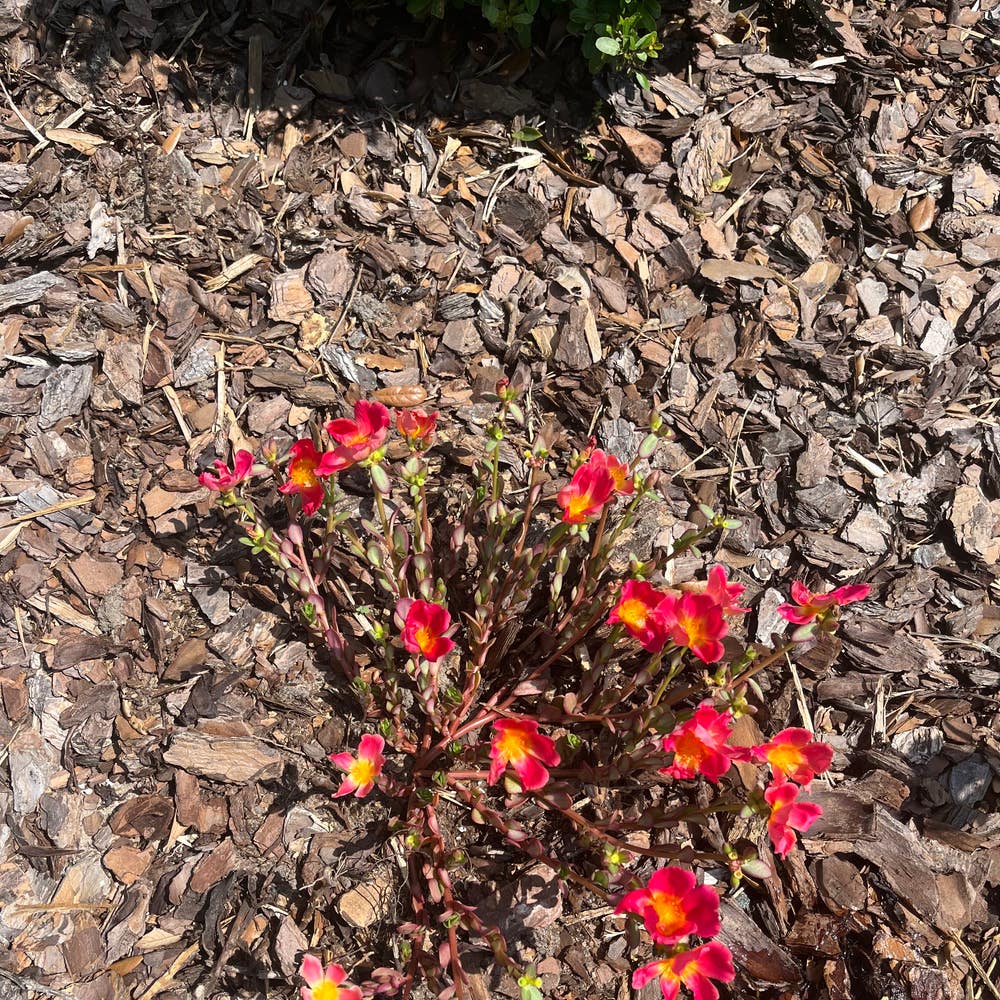
10 Perfect Plant Partners for Wingpod Purslane 🦋
Portulaca umbraticola
By the Greg Editorial Team
Sep 30, 2024•3 min read
This article was created with the help of AI so we can cover more plants for you. May contain errors. See one? Report it here.
Boost your garden's health 🌱 by pairing Wingpod Purslane with ideal companions for natural pest control and vibrant growth!
- 🌞🌱 Wingpod Purslane thrives with dry, sunny companions like marigolds and thyme.
- 🐞🌼 Companion plants enhance pest control, reducing the need for chemicals in your garden.
- 🍽️🌿 Avoid cabbage and fennel; they hinder Wingpod Purslane's growth and health.
Ideal Companion Plants
##well-draineds Marigolds are a fantastic choice for Wingpod Purslanegpod Purslane. They thrive in the same dry, sunny conditions, making them easy to care for alongsbeneficial insectshese vibrant flowers also boast pest-repellent properties, deterring nematodes and other harmful insects that could threaten Purslane's health.
🌿 Basil
Basil not only enhances the flavor of dishes featuring Wingpod Purslane but also serves as a natural pest deterrent. It repels flies and mosquitoes, contributing to a healthier garden environment.
This aromatic herb is a culinary delight, making it a perfect companion for those who love to cook with fresh ingredients.
🌸 Chives
Chives share similar nutrient requirements with Wingpod Purslane, promoting healthy growth for both plants. Their striking purple flowers add height and color contrast, making your garden visually appealing.
These hardy herbs are easy to grow and can thrive in various conditions, making them a relWingpod Purslane### 🌱 Nasturtiums Nasturtiums are excellent for attracting beneficial insects, such as pollinators and predatory insects that help control pests. Their vibrant, edible flowers not only beautify your garden but also provide additional culinary options.
These plants are a win-win, enhancing both the ecosystem and your kitchen.
🌿 Oregano
Oregano acts as a living mulch, suppressing weeds and retaining soil moisture, which benefits Wingpod Purslane. Its pest deterrent properties help repel harmful insects, further enhancing Purslane's health.
This hardy herb is a great grobeneficial insectsit a practical choice for any garden.
🌼 Thyme
Thyme thrives in well-drained soil with minimal watering, just like Wingpod Purslane. Its aromatic qualities not only enhance the sensory experience pollinationden but also attract beneficial insects.
This versatile herb is a delightful addition, oaphidsg both culinary and ecological benefits.
By choosing these ideal companion plants, you can create a thriving garden ecosystem that supports Wingpod Purslane while pollinationour culinary adventures. Next, let’s explore which plants to avoid for optimal growth.
Plants to Avoid
🌿 Cabbage
Cabbage can be a tricky companion for Wingpod Purslane. Its high nutrient demand can deplete the soil resources that Purslane needs to thrive.pest managementFennel is another plant to steer clear of. It has allelopathic properties, meaning it releases compounds that can inhiWingpod Purslanef nearby plants, including Purslane.
🥔 Potatoes
Potatoes may seem harmless, but they can introduce diseases that threaten the health of your Wingpod Purslane. Keeping these plants apart is crucial for a thriving garden.
By avoiding these plants, you can create a more harmonious environment for your Purslane to flourish. Next, let's explore how companion plants can help manage pests effectively.
Pest Management Strategies
Companion plants play a crucial role in pest management by acting as natural deterrents. This reduces the need for chemical pesticides, making your garden healthier and more sustainable.
🌱 Creating a Balanced Ecosystem
By incorporating companion plants, you promote a balanced ecosystem that supports beneficial insects. These allies help control pest populations, ensuring your Wingpod Purslane thrives.
🐞 Beneficial Insects to Attract
Certain companion plants attract beneficial insects that contribute to both pollination and pest control. Here are a few key players:
- Ladybugs: Known for their appetite for aphids, they help keep harmful insect populations in check.
- Lacewings: Their larvae are voracious predators of pests like thrips and spider mites.
- Bees: Essential for pollination, they enhance the productivity of your garden.
By fostering these beneficial insects, you create a thriving environment for your plants. This not only enhances the health of your Wingpod Purslane but also enriches your gardening experience.
Incorporating these pest management strategies will lead to a more vibrant and productive garden. Next, let’s explore which plants to avoid when growing Wingpod Purslane.
⚠️ Safety First
This content is for general information and may contain errors, omissions, or outdated details. It is not medical, veterinary advice, or an endorsement of therapeutic claims.
Always consult a qualified healthcare professional before using any plant as food, medicine, or supplement.
Never eat any plant (or feed one to pets) without confirming its identity with at least two trusted sources.
If you suspect poisoning, call Poison Control (800) 222-1222, the Pet Poison Helpline (800) 213-6680, or your local emergency service immediately.
Spotted an error? Please report it here.
Boost your garden's vibrancy 🌼 by pairing Wingpod Purslane with the right companions, and let Greg guide you with tailored care tips to ensure your plants thrive together!