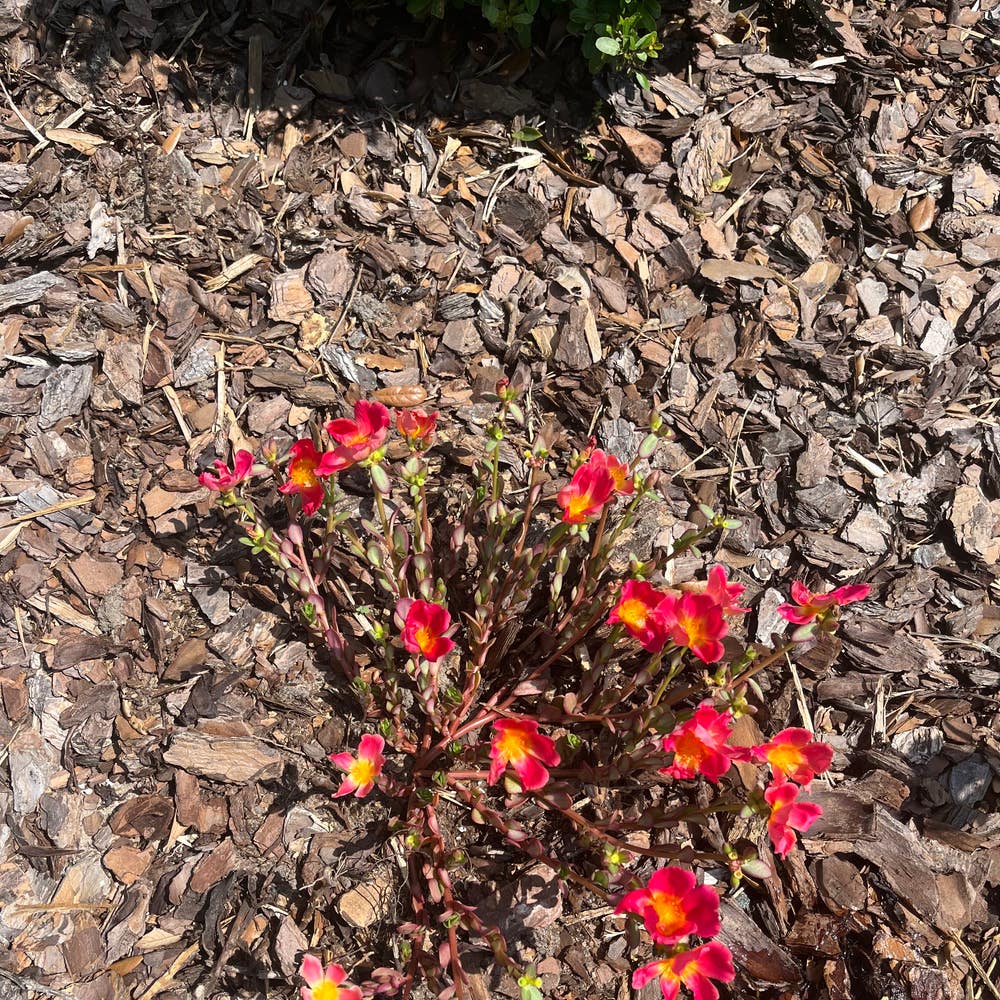
Ultimate Guide for How to Plant Wingpod Purslane
Portulaca umbraticola
By the Greg Editorial Team
Sep 30, 2024•5 min read
This article was created with the help of AI so we can cover more plants for you. May contain errors. See one? Report it here.
Unlock a thriving Wingpod Purslane garden 🌱 with these essential planting techniques for lasting success!
- 🌱 Proper planting techniques ensure healthy growth of Wingpod Purslane for long-term success.
- ☀️ Optimal planting time is spring, after the last frost, for best results.
- 🌿 Well-draining sandy loam soil enhances nutrient uptake and plant vigor.
Importance of Proper Planting Techniques
Proper planting techniques are crucial for the successful growth and establishment of Wingpod Purslane. When you plant correctly, you set the stage for a thriving plant that can flourish in its environment.
🌱 Impact on Growth and Establishment
The way you plant has a direct impact on how well your Wingpod Purslane will grow. A well-planted seed or seedling can establish strong roots, leading to better nutrient uptake and overall vigor.
🌿 Long-Term Health and Productivity of the Plant
Investing time in proper planting techniques pays off in the long run. Healthy plants are more resilient to pests and diseases, ensuring a bountiful harvest season after season.
Understanding these fundamentals not only enhances your gardening skills but also fosters a deeper connection with your plants. With the right approach, you can cultivate a lush and productive garden that brings joy and satisfaction.
Next, let’s explore the optimal timing for planting your Wingpod Purslane to maximize its growth potential.
Planting New Wingpod Purslane
🌱 Optimal Timing for Planting
Spring is the ideal time to plant Wingpod Purslane, specifically after the last frost. This timing allows the plant to thrive, taking advantage of the warming soil and longer daylight hours.
🪴 Selecting the Right Soil Mix and Containers
For optimal growth, use a well-draining sandy loam soil. If you're container gardening, ensure your pots have drainage holes to prevent waterlogging.
- Soil Amendments: Incorporate organic matter and perlite to enhance aeration and nutrient retention.
📏 Proper Depth and Spacing for Planting
When planting seeds, aim for a depth of about 1/4 inch. For seedlings, plant them 2-3 inches deep.
- Spacing: Keep plants 12-18 inches apart to ensure adequate air circulation and nutrient access.
☀️ High-Level Tips for Maintaining Ideal Growing Conditions
Wingpod Purslane thrives in full sun, requiring 6-8 hours of sunlight daily.
- Watering: Maintain consistent moisture without waterlogging the soil.
- Fertilization: Lightly feed with a balanced fertilizer during the growing season to support healthy growth.
🌳 Hardening Off Before Outdoor Planting
Acclimatizing your plants is crucial to reduce transplant shock.
- Steps for Hardening Off: Gradually increase outdoor exposure over 7-10 days, starting with a few hours each day.
By following these planting guidelines, you set the stage for a flourishing Wingpod Purslane garden. Next, we’ll explore how to successfully transplant established plants for even greater growth potential.
Transplanting Established Wingpod Purslane
🌱 Optimal Timing for Transplanting
Transplanting Wingpod Purslane is best done in early spring or fall. Timing is crucial; consider the plant's maturity and your local climate conditions for successful establishment.
🛠️ Step-by-Step Instructions for Transplanting
Removing the Plant from Its Current Location
- Water the plant a day before to reduce stress.
- Gently loosen the soil around the roots with a spade.
- Carefully lift the plant, keeping as much soil around the roots as possible.
Preparing the New Planting Site
- Select a sunny location with well-draining soil.
- Amend the soil with organic matter if necessary.
- Dig a hole that is twice the width of the root ball.
Ensuring Proper Placement and Spacing
- Position the plant in the center of the hole.
- Fill in with soil, ensuring the top of the root ball is level with the soil surface.
- Space plants 12-18 inches apart for optimal growth.
💧 Tips for Watering, Mulching, and Providing Support
After transplanting, water thoroughly and maintain consistent moisture.
- Mulching: Apply a layer of organic mulch to retain moisture and suppress weeds.
- Support: Use stakes if necessary for taller varieties.
With these steps, your Wingpod Purslane will thrive in its new home. Next, let’s explore the benefits and drawbacks of planting versus transplanting.
Benefits and Drawbacks of Planting vs. Transplanting
💰 Cost Considerations
When deciding between planting seeds and transplanting established plants, cost is a significant factor. Seeds are generally cheaper than established plants, making them an attractive option for budget-conscious gardeners.
However, growing your own plants from seeds can lead to long-term savings. Once you establish a thriving garden, you can save seeds for future planting, reducing costs even further.
⏳ Time to Maturity
Time to maturity varies between seeds and transplants. Seeds typically take about 6-8 weeks to mature, which requires patience and care.
On the other hand, transplants offer faster establishment and growth. This can be especially beneficial if you're eager to enjoy your harvest sooner.
🌱 Adaptability to Local Growing Conditions
Starting from seeds has its perks, particularly in terms of acclimatization. Seeds adapt to local conditions, which can lead to stronger, more resilient plants.
Transplanting, however, provides the advantage of immediate growth. Established root systems can help your plants thrive right away, giving you a head start in your gardening journey.
In summary, both methods have unique benefits and drawbacks. Your choice will depend on your gardening goals, budget, and timeline. Now, let’s explore troubleshooting common issues that may arise during planting or transplanting.
Troubleshooting Common Issues
🥴 Understanding Transplant Shock
Transplant shock can be a real hurdle for your wingpod purslane. Symptoms include wilting, yellowing leaves, and stunted growth, signaling that your plant is struggling to adjust.
To prevent this, focus on proper watering and care during the transition. Water the plant thoroughly before moving it, and ensure it has consistent moisture afterward to help it settle in.
🌱 Establishment Problems and Solutions
Establishment issues often stem from poor root development or nutrient deficiencies. If your plant isn't thriving, check the soil conditions and ensure it has the nutrients it needs.
Amending the soil with organic matter can significantly improve root establishment. Regularly monitor watering practices to maintain optimal moisture levels.
🐛 Other Common Issues When Planting or Transplanting
Pests and diseases can threaten your wingpod purslane, so it's crucial to identify and manage these threats early. Keep an eye out for signs of infestation or infection.
Environmental stress can also impact your plants. Be ready to adapt your care routine based on changing weather conditions to keep your purslane healthy and thriving.
By addressing these common issues, you can ensure a successful planting or transplanting experience. Next, let’s explore the benefits and drawbacks of planting versus transplanting.
⚠️ Safety First
This content is for general information and may contain errors, omissions, or outdated details. It is not medical, veterinary advice, or an endorsement of therapeutic claims.
Always consult a qualified healthcare professional before using any plant as food, medicine, or supplement.
Never eat any plant (or feed one to pets) without confirming its identity with at least two trusted sources.
If you suspect poisoning, call Poison Control (800) 222-1222, the Pet Poison Helpline (800) 213-6680, or your local emergency service immediately.
Spotted an error? Please report it here.
Plant your Wingpod Purslane with confidence 🌱—let Greg guide you with tailored reminders and expert tips for thriving growth and vibrant yields!