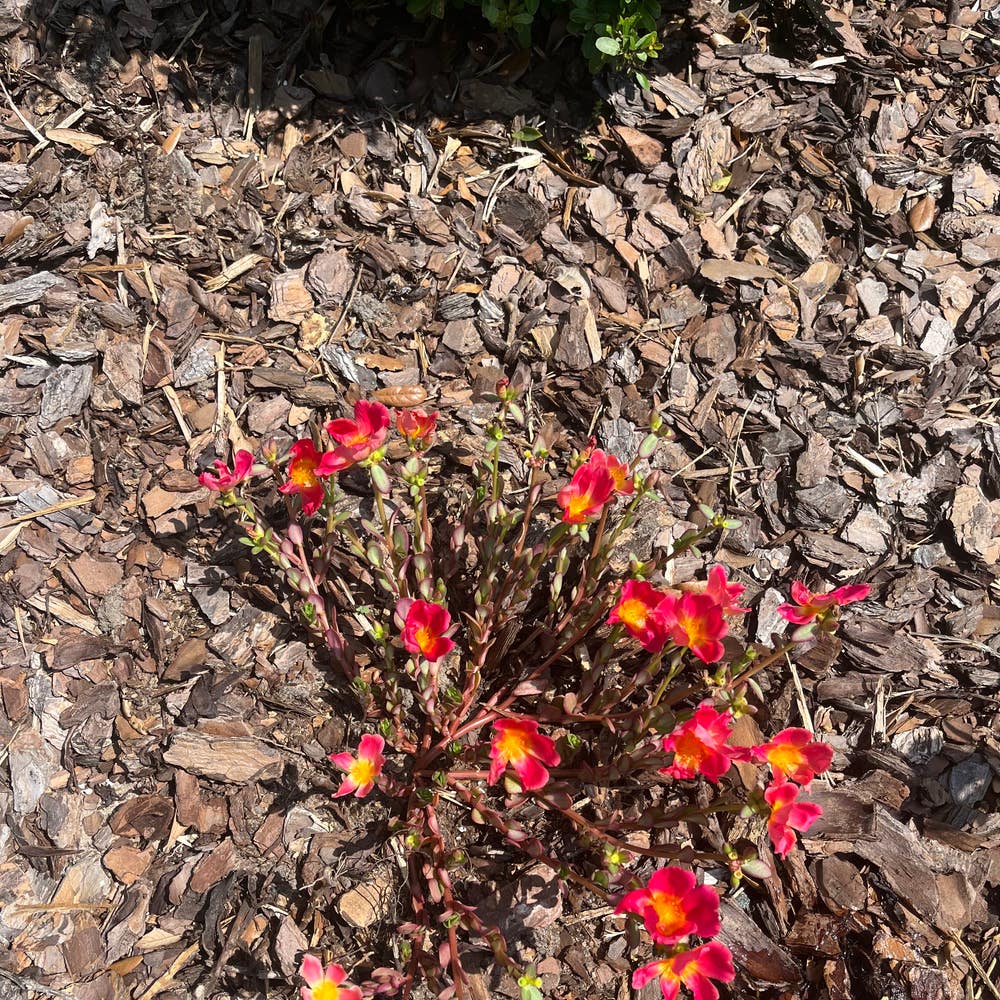
Propagating My Wingpod Purslane: Step-by-Step Guide
Portulaca umbraticola
By the Greg Editorial Team
Jun 17, 2024•5 min read
This article was created with the help of AI so we can cover more plants for you. May contain errors. See one? Report it here.
Propagate Wingpod Purslane effortlessly with this step-by-step guide—watch your garden flourish! 🌿
- Stem, water, and soil methods for propagating Wingpod Purslane.
- Bright, indirect light and 25°C optimal for cuttings.
- Transplant when roots are robust, and maintain moisture post-transplant.
Propagation Techniques for Wingpod Purslane
🌱 Stem Cuttings: The Classic Approach
Selecting stems is your first step. Look for healthy, new growth—this isn't the time for sentiment; older, woody stems won't do. Snip a few inches, just below a node, because that's where the magic (aka roots) happens. Planting is straightforward: a light soil mix and a touch of rooting hormone on the cut end can work wonders. Keep it moist, not soggy, and wait for nature to do its thing.
💧 Water Propagation: The Root Reveal
Water propagation lets you play voyeur to your plant's root development. Snag a stem cutting, submerge the end in water, and place it in a spot with indirect sunlight. Advantages? It's a clean, soil-free affair, and you get to watch roots form in real-time. Just change the water weekly to prevent bacterial growth.
🌱 Soil Propagation: Direct and Dirty
For soil propagation, think direct and dirty. Plant your cuttings in a well-draining mix, ensuring at least one node is buried where roots can sprout. Considerations for success include keeping the soil consistently moist and providing bright, indirect light. Patience is key—don't tug on your cuttings to check for roots; they don't appreciate the anxiety.

Caring for Wingpod Purslane Cuttings
💡 Optimal Conditions for Growth
Light: Wingpod Purslane cuttings thrive in bright, indirect sunlight. Direct sun can be a bit too much of a good thing, scorching the delicate new growth.
Temperature: Aim for a cozy 25°C (77°F). It's the sweet spot where cuttings strike roots without breaking a sweat.
Humidity: Remember that cuttings love a humid hug. Keep the air moist but not soggy—think tropical paradise, not swamp.
🚰 Watering Practices
Moisture is key, but overwatering is the fast track to Root Rot City. Water when the top inch of soil feels like a dry martini—dry to the touch.
Drainage: Ensure your soil is well-draining; it should be the life of the party, not a party pooper holding onto water for dear life.
Frequency: Adjust your watering schedule to the cuttings' needs, not some rigid calendar rule. Keep it consistent but adaptable, like your favorite pair of jeans.
Pro tip: If you're questioning whether to water or not, it's probably best to wait. Cuttings can bounce back from a bit of thirst, but they can't un-drown.

Transplanting and Establishing New Plants
🌱 When to Transplant Rooted Cuttings
Once your Wingpod Purslane cuttings have sprouted roots, it's time to move them out of their nursery pots. Wait until the roots are robust enough to handle the transition—typically when they've formed a small network or filled the pot.
🌿 How to Transplant
Choose an intermediate-sized pot to prevent overwatering—a common rookie mistake. Gently transfer the cutting, ensuring the root ball remains intact. Avoid deep pots that encourage roots to grow downwards, which isn't ideal for this sun-loving succulent.
🌼 Aftercare for Wingpod Purslane
Post-transplant, Wingpod Purslane needs a little extra love. Maintain consistent moisture levels, but don't drown the poor thing—root rot is the silent killer of many a plant. Trim any dead or damaged growth to focus the plant's energy on thriving, not surviving.
Monitor your plant's progress, and don't be afraid to brag about your green thumb on Instagram. Remember, a little humor goes a long way in gardening and life. Happy gardening!

Addressing Propagation Challenges
🌱 Identifying Common Issues
Wilting can signal underwatering or a root system issue. Check soil moisture and ensure proper drainage. Rotting often stems from overwatering or poor air circulation; adjust your watering schedule and consider a well-ventilated environment.
🐛 Solving Pest Problems
Slugs and aphids are common pests. Pick off slugs manually. For aphids, a strong water spray or insecticidal soap can be effective. Spider mites and thrips require keen observation; introduce natural predators or use neem oil as a deterrent.
🦠 Disease Prevention
Fungal infections like Phytophthora thrive in wet conditions. Use fungicides like Segovis for treatment, and practice good hygiene to prevent spread. Botrytis and other fungal issues can be kept at bay with preventative sprays like Empress Intrinsic.
🌿 Environmental Control
Ensure your Wingpod Purslane is not in overly humid conditions to prevent rot and disease. Regular inspection helps catch issues early. If you spot brown spots or unusual patterns, reassess your care routine for potential over-fertilization or pesticide misuse.
🚨 Immediate Action
At the first sign of trouble, isolate the affected plant. Remove diseased parts with sterilized tools and treat with appropriate fungicides or bactericides. Always dispose of infected plant material away from healthy plants to prevent cross-contamination.
🌾 Good Practices
Implement crop rotation and debris removal to deter disease. Control weeds and pests diligently, and maintain proper irrigation to avoid water stress. Regularly clean your tools and pots to prevent the spread of pathogens.
📊 Monitoring and Assessment
Stay vigilant. Regularly check your Wingpod Purslane for signs of stress or infestation. Quick action can transform a minor hiccup into a success story for your propagation efforts.
⚠️ Safety First
This content is for general information and may contain errors, omissions, or outdated details. It is not medical, veterinary advice, or an endorsement of therapeutic claims.
Always consult a qualified healthcare professional before using any plant as food, medicine, or supplement.
Never eat any plant (or feed one to pets) without confirming its identity with at least two trusted sources.
If you suspect poisoning, call Poison Control (800) 222-1222, the Pet Poison Helpline (800) 213-6680, or your local emergency service immediately.
Spotted an error? Please report it here.
Turn your Wingpod Purslane propagation into a success story 🌟 with Greg's tailored reminders for each crucial step from this guide!