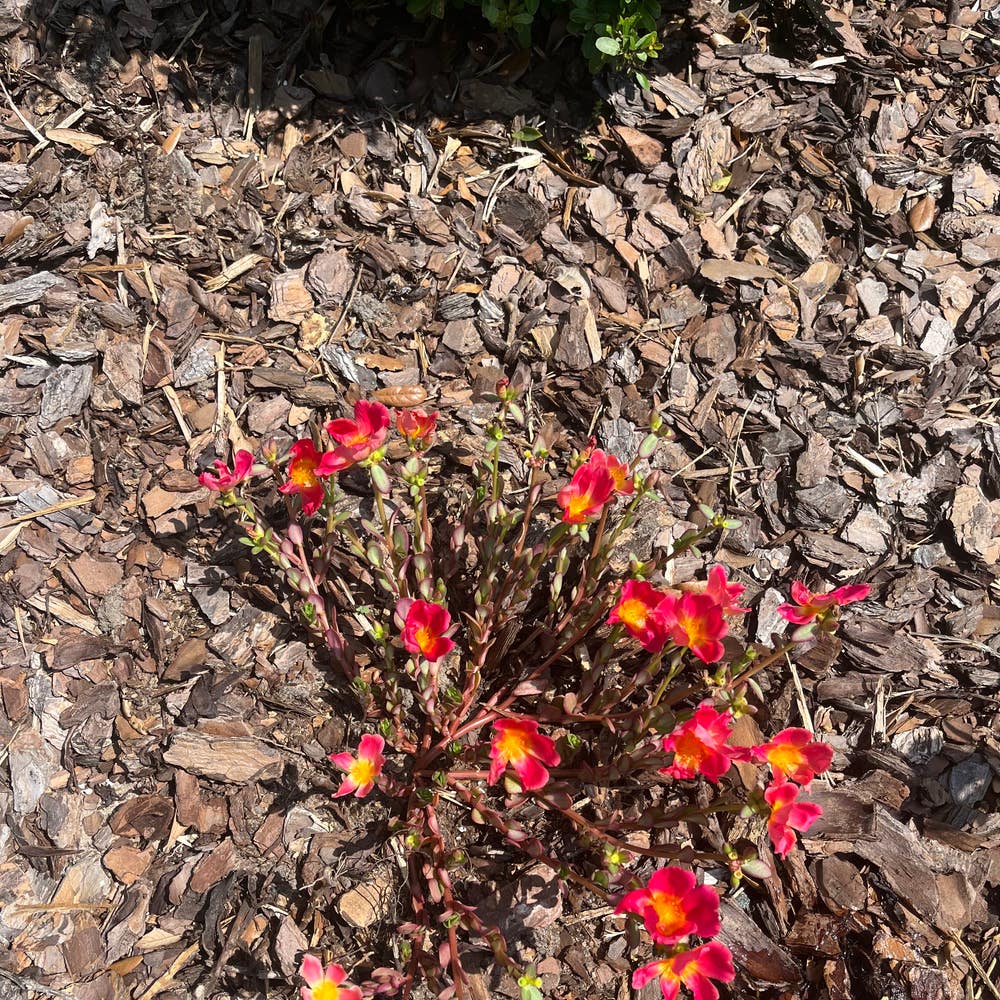
What Temperature Does My Wingpod Purslane Need?
Portulaca umbraticola
By the Greg Editorial Team
Jun 17, 2024•5 min read
This article was created with the help of AI so we can cover more plants for you. May contain errors. See one? Report it here.
Master Wingpod Purslane's ideal temps for lush growth and vibrant blooms! 🌡️🌺
- 65-75°F (18-24°C) is ideal for Wingpod Purslane growth and blooms.
- Watch for wilting or stunted growth as signs of temperature stress.
- Use thermometers and shading to maintain and monitor temperature.
Optimal Temperature Range for Wingpod Purslane Growth
Wingpod Purslane, a vibrant bloomer, demands a specific climate to flourish. 65-75°F (18-24°C) is the sweet spot for this sun-loving succulent. It's a temperature range that encourages healthy growth and the unfurling of its distinctive flowers.
🌡️ Temperature Nuances
Daytime warmth is crucial, but don't let the mercury dip below 60°F (16°C) at night. Consistency is key; avoid the drama of sudden temperature swings.
💐 Flowering and Heat
When it's too hot, the flowers might play hard to get. If the temperature consistently exceeds 80°F (27°C), you might notice fewer blooms. Keep it cooler, and your Purslane will reward you with a floral show.
🍂 Seasonal Adjustments
Remember, as seasons change, so will your plant's needs. Monitor the temperature as summer heat wanes or winter chills creep in, ensuring your Purslane stays in its comfort zone.

Recognizing and Addressing Temperature Stress
🌡️ Signs of Temperature Stress
Wingpod Purslane throws visible fits when stressed by temperature. Look for wilting leaves or a sudden rush to flower, a desperate bid to reproduce before succumbing to the heat. Overly warm conditions may also lead to stunted growth and a "leggy" appearance, as if the plant is reaching for an escape. In the flowering department, expect disappointments; blooms might be as underwhelming as a deflated balloon at a birthday party.
🌍 Common Environmental Factors
Temperature stress isn't just about the mercury rising. It's the rollercoaster of fluctuating temperatures that really gets under Wingpod Purslane's skin. Think of it as the plant's version of wearing a winter coat during a summer heatwave. Drafts, akin to unexpected plot twists, can leave your plant as rattled as a protagonist in a thriller novel. And let's not forget about humidity—too low, and your plant's leaves curl up tighter than a miser's fist; too high, and it's like breathing in a sauna.
🛠️ Addressing Temperature Stress
When your plant's leaves look more dehydrated than a raisin in the sun, it's time to act. Hydrate and shade are your go-to moves, like aloe on a sunburn. If your Purslane's been hit with a cold spell, think insulation—wrap it up like a burrito. And remember, consistency is your plant's best friend; keep its environment as stable as a seasoned yogi's tree pose.

Maintaining Ideal Temperature Conditions
🌡️ Practical Tips for Temperature Regulation
Wingpod Purslane thrives in temperatures between 65-75°F (18-24°C). To maintain this range, avoid placing your plant near drafty windows or doors. Sudden temperature drops or spikes can stress your Purslane, leading to wilting or stunted growth.
🛡️ Shielding from Extremes
During winter, keep your Purslane away from cold drafts and frosty windowsills. Conversely, in summer, shield it from the intense afternoon sun that can scorch its leaves. Use blinds or sheer curtains as a barrier if needed.
💡 Consistent Environment
Strive for consistency. A stable temperature environment prevents your Purslane from going into shock. Thermostats can be your best friend, helping you keep a close eye on the ambient temperature.
🏜️ Humidity's Role
Humidity plays a supporting role in temperature control. Moderate humidity levels complement the ideal temperature range for Wingpod Purslane. Too dry, and your plant might dehydrate; too moist, and you risk fungal issues.
🚰 Humidity Hacks
No need to break the bank with a high-end humidifier. Grouping plants together can create a microclimate with higher humidity. Alternatively, a tray of water with pebbles, placed near your Purslane, can increase moisture in the air. Just ensure the pot isn't sitting in water, as this could lead to root rot.
Remember, while Purslane is adaptable, it doesn't appreciate a sauna or a desert. Aim for that sweet spot of moderate temps and humidity. Keep it simple, keep it stable, and your Purslane will thank you with vibrant growth.

Monitoring and Adjusting Temperature for Wingpod Purslane
🌡️ Keeping Track of the Heat
Thermometers aren't just for checking if you've got a fever—they're your best pals in plant care. Snag a digital one and place it near your Wingpod Purslane. Consistency is key; you want to avoid those wild temperature swings that can make your plant go from zen to zapped.
🎮 The Adjustment Game
Caught your thermometer creeping up or down? Time to play plant doctor. If it's too hot, consider a fan or move your green buddy away from that sun-trap window. Too chilly? A plant-safe heating mat might just be your ticket. Remember, we're aiming for that sweet 65-75°F (18-24°C) zone.
💻 Tech to the Rescue
Don't want to check the thermometer every five minutes? Get a smart thermostat hooked up. It'll do the legwork for you and keep those temps more stable than your favorite barista's pour-over technique.
💧 Humidity: The Silent Player
While you're at it, keep an eye on humidity. It's like the bassist in a band—often overlooked but totally sets the vibe. Too dry? A humidifier can help. Too moist? Time to dial back on the misting.
🛠 Quick Fixes
Last but not least, let's not forget the quick and dirty fixes. Drafts are the nemesis of stable temps, so move your plant away from leaky windows and doors. And if your AC or heater is blasting like a rocket launch, redirect those vents away from your leafy friend.
⚠️ Safety First
This content is for general information and may contain errors, omissions, or outdated details. It is not medical, veterinary advice, or an endorsement of therapeutic claims.
Always consult a qualified healthcare professional before using any plant as food, medicine, or supplement.
Never eat any plant (or feed one to pets) without confirming its identity with at least two trusted sources.
If you suspect poisoning, call Poison Control (800) 222-1222, the Pet Poison Helpline (800) 213-6680, or your local emergency service immediately.
Spotted an error? Please report it here.
Ensure your Wingpod Purslane thrives 🌡 by leveraging Greg to monitor your home's conditions, keeping those blooms perfect without the stress.