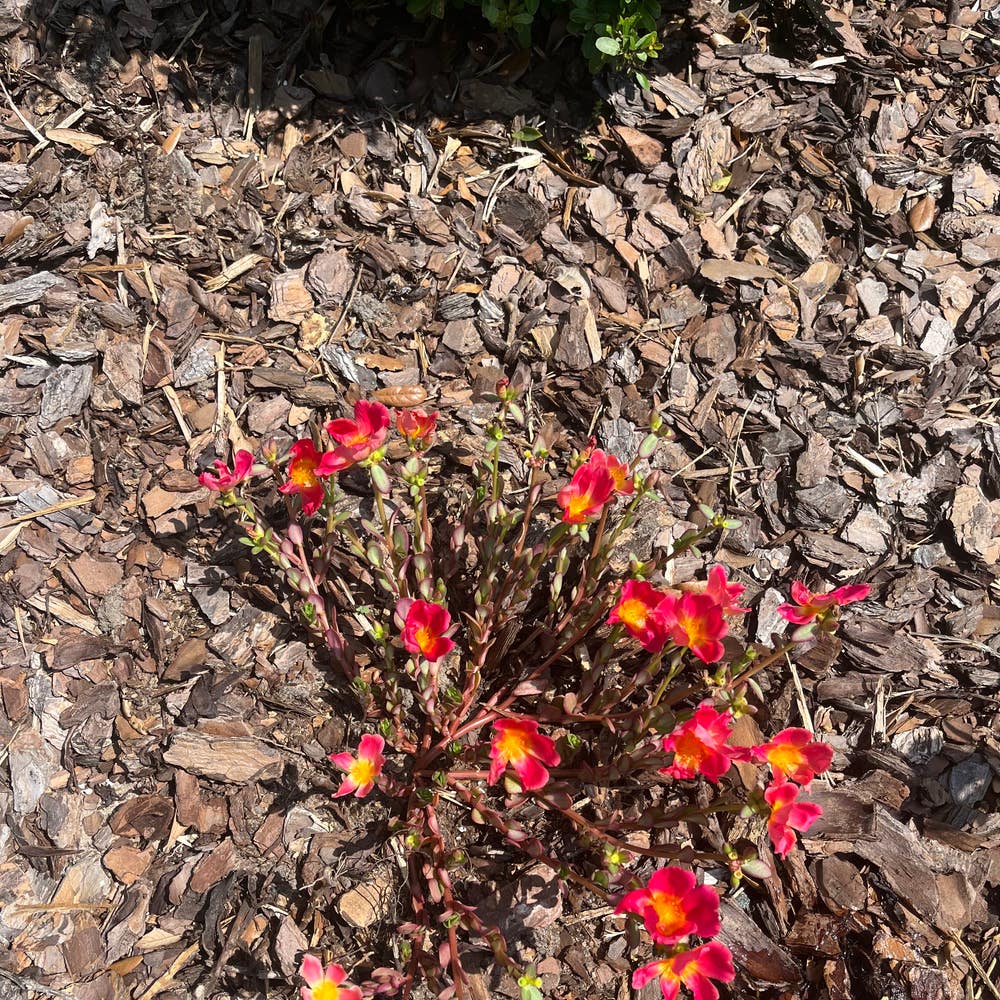
Wingpod Purslane Is an Annual
Portulaca umbraticola
By the Greg Editorial Team
Sep 30, 2024•5 min read
This article was created with the help of AI so we can cover more plants for you. May contain errors. See one? Report it here.
Transform your garden with wingpod purslane's vibrant lifecycle and adaptability! 🌱
- 🌱 Wingpod purslane is an annual, thriving through germination, growth, flowering, and senescence.
- 🌼 Rapid growth occurs within 4-6 weeks, leading to abundant flowering and seed production.
- 🌍 Adaptable to various soils, wingpod purslane ensures survival through diverse environmental conditions.
Characteristics of Wingpod Purslane as an Annual
Lifecycle and Growth Patterns 🌱
Wingpod purslane follows a clear lifecycle, progressing through four main stages: germination, vegetative growth, flowering, and senescence. Each stage has its own timeline, typically spanning from a few weeks to several months, depending on environmental conditions.
During germination, seeds sprout quickly, often within a week. The vegetative growth phase sees the plant rapidly expanding, usually lasting about 4 to 6 weeks before it begins to flower.
Reproductive Strategies and Seed Production 🌼
Wingpod purslane employs both self-pollination and cross-pollination as its reproductive strategies. This flexibility allows it to thrive in various environments, ensuring successful reproduction.
A single plant can produce hundreds of seeds, maximizing its chances of survival. Seed dispersal occurs through multiple methods, including wind, water, and even animal interactions, allowing the plant to spread its offspring far and wide.
This adaptability not only enhances its reproductive success but also contributes to its resilience in changing environments. Understanding these characteristics can help gardeners and enthusiasts appreciate the unique qualities of wingpod purslane.
As we delve deeper into the evolutionary advantages of being an annual plant, we’ll explore how these traits benefit wingpod purslane in various ecosystems.
Evolutionary Advantages
Benefits of Being an Annual Plant 🌱
Wingpod purslane thrives as an annual by maximizing its growth and reproduction within a single season. This strategy allows it to allocate resources efficiently, ensuring that it can produce seeds quickly before the onset of unfavorable conditions.
The resilience of annual plants like wingpod purslane is remarkable. They complete their lifecycle swiftly, which is crucial for survival in environments that may experience sudden changes, such as drought or frost.
Adaptation Strategies in Various Environments 🌍
One of the standout features of wingpod purslane is its flexibility in growth. It can adapt to various soil types and moisture levels, making it a versatile choice for gardeners and ecosystems alike.
Additionally, wingpod purslane employs seasonal strategies for germination and flowering. By timing these processes according to environmental cues, it ensures optimal conditions for growth and reproduction, enhancing its chances of survival.
This adaptability not only showcases the plant's evolutionary advantages but also highlights its potential in diverse gardening scenarios. Understanding these strategies can help gardeners make informed decisions about planting and care.
As we explore the impact of the annual lifecycle, we’ll delve into the growth and flowering timeline of wingpod purslane next.
Impact of Annual Lifecycle
🌱 Growth and Flowering Timeline
The lifecycle of Wingpod Purslane is a fascinating journey that begins with germination. Typically, this stage takes about 7 to 14 days, depending on environmental conditions.
Following germination, the plant enters the vegetative growth phase, which can last from 4 to 6 weeks. During this time, it rapidly develops leaves and stems, setting the stage for flowering.
Flowering usually occurs around 6 to 8 weeks after germination. This phase is crucial for reproduction, as it leads to seed production, which can happen within a few weeks after flowering.
Several factors influence the timing of flowering. Temperature, light exposure, and moisture levels play significant roles in determining when Wingpod Purslane will bloom.
🌾 Seed Production and Dispersal Mechanisms
Once flowering is complete, Wingpod Purslane shifts its focus to seed production. A single plant can produce hundreds of seeds, ensuring its survival and propagation.
The timing of seed production is closely linked to environmental conditions. Optimal moisture and temperature can enhance seed yield, while adverse conditions may reduce it.
Seed dispersal is equally important for the plant's lifecycle. Wingpod Purslane employs various strategies, including wind, water, and animal interactions, to spread its seeds to new locations.
These mechanisms ensure that seeds find suitable environments for germination, allowing the cycle to begin anew.
As we explore the variations and exceptions in Wingpod Purslane's behavior, we can gain deeper insights into how environmental factors shape its growth patterns.
Variations and Exceptions
🌱 Instances of Atypical Behavior in Wingpod Purslane
Wingpod purslane can sometimes surprise gardeners with its growth patterns. In certain environments, it may extend its lifecycle beyond a single season, often due to favorable conditions like mild winters or abundant moisture.
These atypical behaviors can lead to variations in flowering and seed production. For instance, in a particularly warm climate, you might see multiple flowering phases, resulting in a higher seed yield than usual.
🌍 Environmental Factors Influencing Growth Patterns
Soil quality plays a crucial role in the growth of wingpod purslane. Nutrient availability and pH levels can significantly affect how well the plant thrives.
Moisture levels are equally important. While drought conditions can stunt growth, optimal watering encourages robust development and vibrant blooms. Understanding these factors can help you create the best environment for your wingpod purslane.
As we explore the impact of the annual lifecycle, it's essential to consider how these variations and environmental influences shape the overall growth and flowering timeline.
Gardening Strategies
🌼 Utilizing Wingpod Purslane in Garden Design
Wingpod purslane is a vibrant addition to any annual flower bed. Its unique foliage and bright blooms not only enhance aesthetics but also attract pollinators, making it a functional choice for your garden.
Companion planting with wingpod purslane can yield impressive benefits. Pairing it with herbs or vegetables can improve growth and deter pests, creating a thriving ecosystem in your garden.
⏳ Tips for Succession Planting and Extending the Growing Season
Staggered planting is key to enjoying continuous blooms throughout the season. By timing your sowing intervals, you can ensure that wingpod purslane flowers at different stages, keeping your garden lively.
To extend the growing season, consider using cloches, row covers, or even greenhouses. These strategies protect your plants from early frosts and allow you to enjoy wingpod purslane for longer.
With these gardening strategies, you can maximize the beauty and productivity of wingpod purslane in your garden. Next, let’s explore how its annual lifecycle impacts growth and flowering timelines.
⚠️ Safety First
This content is for general information and may contain errors, omissions, or outdated details. It is not medical, veterinary advice, or an endorsement of therapeutic claims.
Always consult a qualified healthcare professional before using any plant as food, medicine, or supplement.
Never eat any plant (or feed one to pets) without confirming its identity with at least two trusted sources.
If you suspect poisoning, call Poison Control (800) 222-1222, the Pet Poison Helpline (800) 213-6680, or your local emergency service immediately.
Spotted an error? Please report it here.
Unlock the full potential of your wingpod purslane with Greg's tailored care reminders, ensuring vibrant blooms and thriving growth throughout the season! 🌼