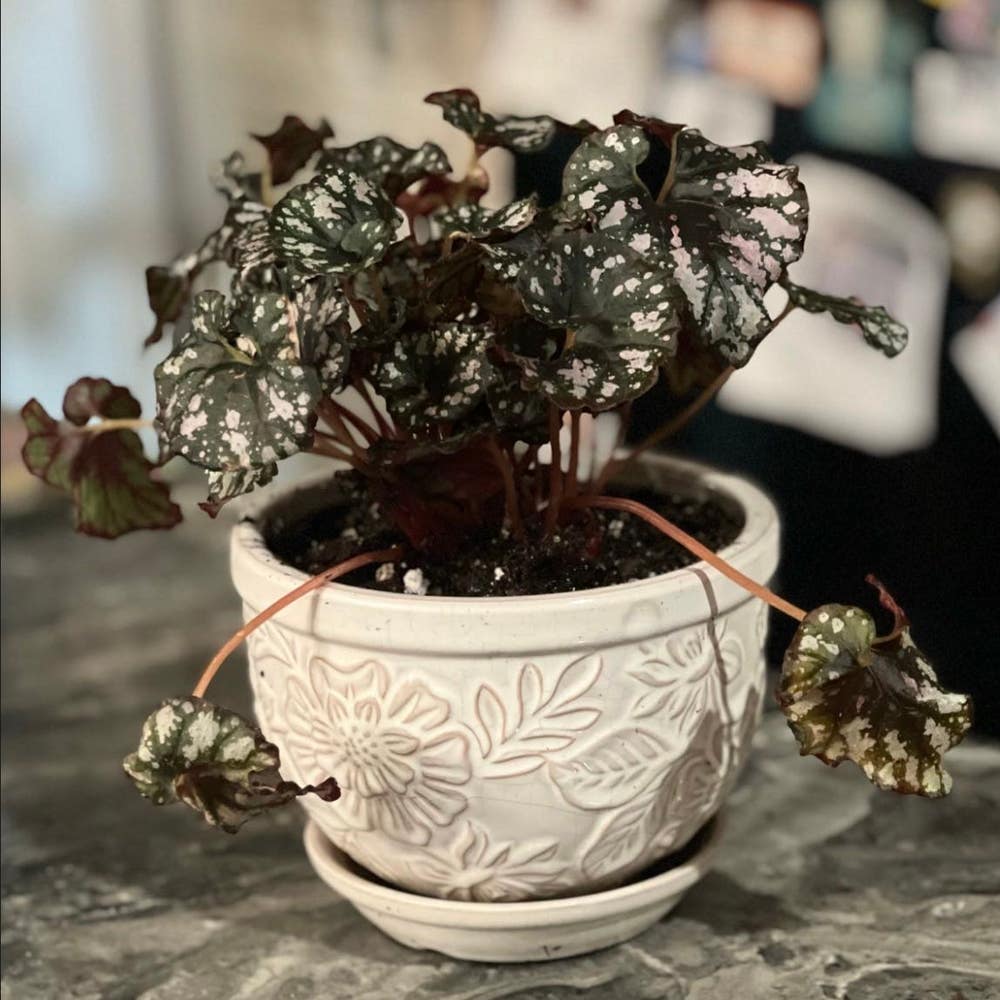
🌸 5 Ideal Locations to Plant Painted-Leaf Begonia
Begonia rex
By the Greg Editorial Team
Sep 29, 2024•6 min read
This article was created with the help of AI so we can cover more plants for you. May contain errors. See one? Report it here.
- 🌞 Painted-Leaf Begonias thrive in 4-6 hours of indirect sunlight for optimal growth.
- 🌱 Well-draining, organic-rich soil with pH 5.5-6.5 is essential for healthy roots.
- 🌳 Plant near walls or trees for shelter, but monitor for unwanted shadows.
Sunlight Exposure Requirements
Ideal Conditions 🌤️
Painted-Leaf Begonias thrive in full shade to partial shade, requiring about 4-6 hours of indirect sunlight daily. Direct sunlight can scorch their delicate leaves and diminish their vibrant colors, so it's crucial to find the right balance.
Assessing Sunlight Patterns 🌅
When considering sunlight exposure, morning sun is gentler and more beneficial than afternoon rays. If your location has harsh sunlight, using shade cloths or structures can help diffuse the intensity, protecting your plants from potential damage.
Understanding these sunlight requirements will set the stage for optimal growth, ensuring your Painted-Leaf Begonias flourish in their environment. Next, let’s explore the ideal soil type and conditions for these beautiful plants.
Soil Type and Conditions
🌱 Preferred Characteristics
For your Painted-Leaf Begonia to thrive, it’s crucial to use well-draining soil rich in organic matter. This combination supports healthy root development and prevents waterlogging.
The ideal pH range for this plant is between 5.5 and 6.5. Maintaining this balance ensures optimal nutrient uptake, which is essential for vibrant foliage.
🔍 Testing Quality
To ensure your soil meets these requirements, consider using soil testing kits. These kits can help you assess both pH and nutrient levels, giving you a clear picture of your soil's health.
Additionally, performing drainage tests is vital. Simply dig a hole, fill it with water, and observe how quickly it drains to prevent root rot, a common issue for begonias.
By understanding and optimizing your soil conditions, you set the stage for a flourishing Painted-Leaf Begonia. Next, let’s explore how to choose the right companions for your begonias to enhance their growth and beauty.
Proximity to Other Plants and Structures
🌱 Companion Planting
When planting Painted-Leaf Begonias, consider companions like ferns and caladiums. These shade-loving plants not only enhance humidity but also provide a natural protective barrier.
🌼 Benefits of Companion Plants
Companion planting can create a thriving microenvironment. The right mix of plants fosters healthier growth and can even deter pests naturally.
🏡 Considerations for Structures
Planting near walls or fences can offer shelter from harsh winds. However, be mindful that these structures may also cast shadows, affecting light exposure.
📏 Distance from Larger Plants
Ensure your Painted-Leaf Begonias have enough space from larger plants. This prevents competition for nutrients and light, allowing them to flourish in their ideal conditions.
🎯 Strategic Planting
Positioning your begonias thoughtfully can make a significant difference. Observing how structures and neighboring plants interact with sunlight can guide your planting decisions.
By carefully considering proximity to other plants and structures, you can create a harmonious garden space that supports the vibrant growth of your Painted-Leaf Begonias. Next, let’s explore the indoor versus outdoor planting considerations to optimize their care.
Indoor vs. Outdoor Planting Considerations
Indoor Locations 🌿
For indoor planting, the best spots for your Painted-Leaf Begonia are east or north-facing windows. These locations provide optimal light without the risk of scorching the delicate leaves.
Container gardening is a great option here. Be sure to use pots with drainage holes to effectively manage moisture levels, keeping your plant healthy and thriving.
Outdoor Spots 🌳
When considering outdoor planting, look for shaded garden beds or areas beneath trees. These spots mimic the natural habitat of the Painted-Leaf Begonia, offering the right amount of shade.
It's crucial to avoid low-lying areas in your garden. These spots can pose a risk of frost damage, especially in cooler climates, jeopardizing the health of your beautiful begonias.
Transitioning from indoor to outdoor planting requires careful consideration of light and temperature. Understanding these factors will help you create the ideal environment for your Painted-Leaf Begonia to flourish.
Site Selection Strategies
Evaluating Sunlight Patterns ☀️
To ensure your Painted-Leaf Begonia thrives, start with daily observations of sunlight exposure. Tracking how light shifts throughout the day will help you identify the best spots for your plant.
Consider using garden planning apps for precise mapping. These tools can simplify the process, making it easier to visualize sunlight patterns in your garden.
Testing Soil Drainage and Quality 💧
Next, assess your soil's drainage capabilities with a percolation test. Dig a hole, fill it with water, and observe how quickly it drains; this will give you insight into your soil's health.
If your soil struggles with drainage, amend it by incorporating compost or perlite. These additions will enhance soil structure and promote healthier root development.
Choosing Companion Plants 🌱
When selecting companion plants, aim for those with similar light and water needs. This strategy not only boosts the overall health of your garden but also creates a harmonious growing environment.
Be mindful to avoid aggressive growers. They can compete for resources, which may hinder your Painted-Leaf Begonia's growth.
Identifying Protected Areas 🛡️
Look for natural windbreaks, such as trees or structures, that can provide shelter for your plants. These protective areas can help shield your Begonia from harsh winds and extreme weather.
Utilize your garden layout wisely. Position your Painted-Leaf Begonia in less exposed areas to ensure it receives the right amount of light while staying protected from the elements.
By carefully considering these site selection strategies, you can create an ideal environment for your Painted-Leaf Begonia to flourish. Next, let’s explore specific location needs to further enhance your planting success.
Specific Location Needs
Shade Tolerance and Preferences 🌿
Painted-Leaf Begonias are quite adaptable. They thrive in low-light conditions but truly prefer bright, indirect light for optimal growth.
Keep an eye on your plants. If you notice signs of stress, like drooping leaves or faded colors, it might be time to adjust their light exposure.
Ideal Container Locations 🪴
For indoor planting, placement is key. Position your pots near east or north-facing windows to ensure they receive gentle light.
Rotating your containers regularly helps achieve even light exposure. Additionally, consider grouping them with other plants to boost humidity levels, creating a mini-ecosystem that benefits everyone.
Seasonal Considerations ❄️
As seasons change, so should your care routine. During frost threats, it's wise to move your containers indoors to protect them from cold damage.
Also, monitor temperature fluctuations closely. Consistent warmth is crucial for maintaining the health and vibrancy of your Painted-Leaf Begonias.
With these considerations in mind, you'll be well on your way to creating an ideal environment for your plants. Next, let’s explore effective site selection strategies to further enhance your gardening success.
⚠️ Safety First
This content is for general information and may contain errors, omissions, or outdated details. It is not medical, veterinary advice, or an endorsement of therapeutic claims.
Always consult a qualified healthcare professional before using any plant as food, medicine, or supplement.
Never eat any plant (or feed one to pets) without confirming its identity with at least two trusted sources.
If you suspect poisoning, call Poison Control (800) 222-1222, the Pet Poison Helpline (800) 213-6680, or your local emergency service immediately.
Spotted an error? Please report it here.
Create a thriving home for your Painted-Leaf Begonias 🌿 by using Greg's tailored watering reminders and soil testing tips to keep them vibrant and healthy!