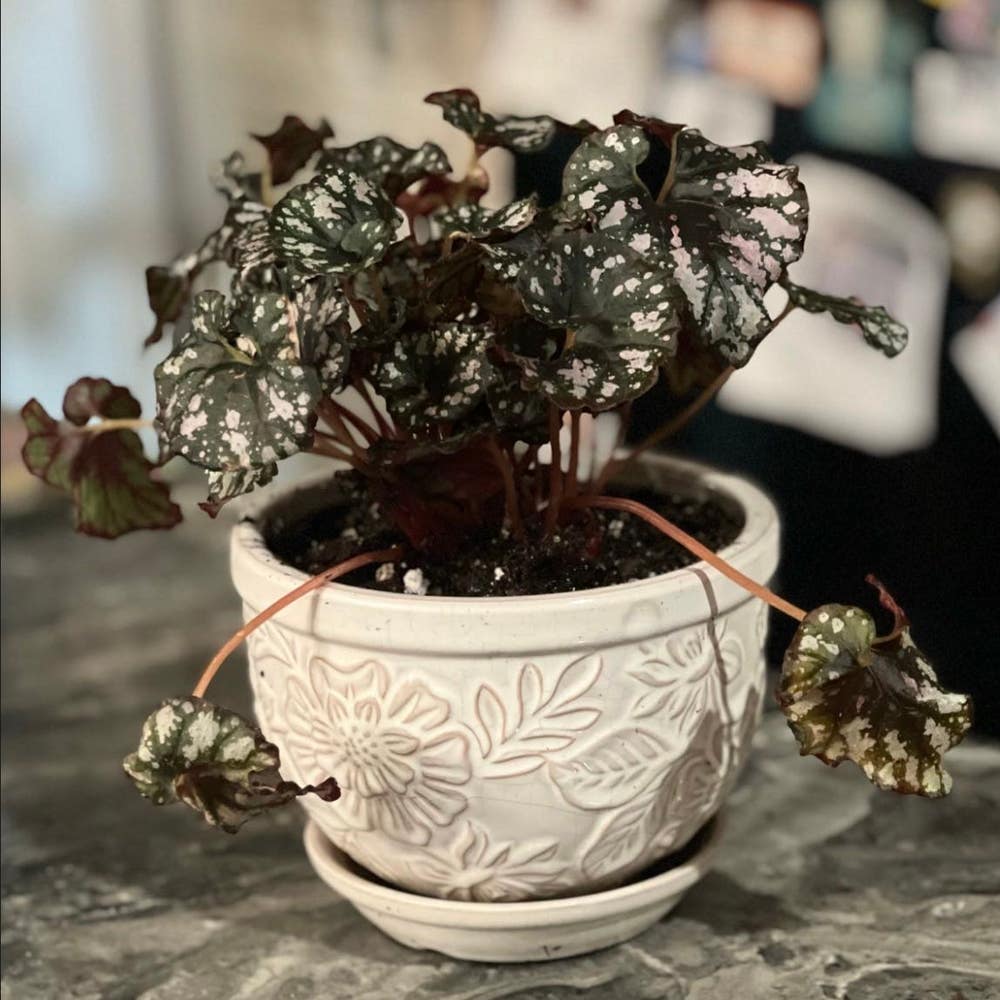
💧 Painted-Leaf Begonia Care: Preventing and Treating Root Rot
Begonia rex
By the Greg Editorial Team
Sep 29, 2024•5 min read
This article was created with the help of AI so we can cover more plants for you. May contain errors. See one? Report it here.
- 🌱 Identify root rot early: look for leaf discoloration, wilting, and stunted growth.
- 🕵️♂️ Check roots: remove the plant to find dark, mushy, or foul-smelling areas.
- 💧 Prevent root rot: use well-draining soil and water only when the top inch is dry.
Identifying Root Rot Symptoms
👀 Visual Signs
Recognizing root rot early can save your Painted-Leaf Begonia. Look for leaf discoloration; yellowing or browning leaves are often the first signs of trouble.
Wilting, even when you've watered adequately, indicates root distress. Additionally, stunted growth—where your plant seems to stop thriving—can signal that something is wrong.
🔍 How to Check for Root Rot
To confirm root rot, follow these simple steps:
- Remove the plant from its pot: Gently loosen the soil around the roots to avoid damage.
- Examine the roots: Look for dark, mushy, or foul-smelling roots, which are clear indicators of rot.
- Assess the soil: Check if the soil is overly wet or compacted, as these conditions can lead to root issues.
⚖️ Distinguishing Root Rot from Other Issues
It's crucial to differentiate root rot from other problems. Compare symptoms: over-fertilization might cause leaf burn, while pest damage often leads to visible critters or webbing.
Understanding root health is key for accurate diagnosis. Healthy roots should be firm and white, while unhealthy ones will show signs of decay. This knowledge empowers you to take the right steps for recovery.
With these insights, you're better equipped to tackle root rot head-on. Next, let’s explore how to prevent this issue from arising in the first place.
Preventing Root Rot
💧 Proper Watering Techniques
Establishing a consistent watering schedule is crucial for your Painted-Leaf Begonia. Aim to water when the top inch of soil feels dry, ensuring you provide enough moisture without saturating the roots.
Recognizing signs of overwatering is equally important. Yellowing leaves and a soggy top layer of soil indicate it's time to adjust your watering habits.
🪴 Choosing the Right Potting Mix
Selecting a potting mix that promotes optimal drainage is essential. Look for components like peat and perlite, which help prevent water retention.
Avoid heavy soils, as they can lead to compacted conditions that suffocate roots. Clay-based mixes are particularly risky for your Begonia's health.
🚰 Ensuring Adequate Drainage
Choosing pots with drainage holes is a non-negotiable step in preventing root rot. These holes allow excess water to escape, reducing the risk of waterlogged roots.
Elevating your pots using pot feet or trays can also help. This simple trick prevents water accumulation at the bottom, keeping your plant's roots happy and healthy.
🌡️ Ideal Humidity and Temperature Conditions
Maintaining appropriate humidity levels is vital for your Begonia's well-being. Methods like using pebble trays or misting can effectively increase humidity around your plant.
Monitoring temperature is just as important. Keep your Begonia in an environment that stays within the optimal range to promote healthy growth and prevent stress.
By following these preventive measures, you can significantly reduce the risk of root rot in your Painted-Leaf Begonia. Next, let’s explore how to treat root rot effectively if it does occur.
Treating Root Rot
🛠️ Step-by-Step Treatment Process
When you suspect root rot, the first step is to remove the affected plant from its pot. Handle it gently to minimize stress on the plant.
Next, trim away any damaged roots using sterilized scissors. This helps prevent the spread of rot and encourages healthy growth.
Finally, disinfect the pot with a bleach solution. This crucial step ensures that any lingering pathogens are eliminated, reducing the risk of reinfection.
🌱 How to Repot a Begonia with Root Rot
Start by selecting a fresh, well-draining potting mix. This is vital for preventing future moisture issues.
Replant the Begonia at the same depth as before. This helps maintain stability and supports healthy growth.
Water lightly after repotting. This allows the soil to settle without overwhelming the plant with moisture.
💊 Recommended Treatments
Consider using fungicides to treat any fungal infections. There are various types available, so choose one that suits your needs.
When applying treatments, follow the instructions carefully. Proper application ensures effectiveness and promotes recovery.
🌿 Aftercare for Recovering Begonias
Adjust your watering schedule gradually as the plant begins to recover. This helps reintroduce moisture without overwhelming the roots.
Keep an eye out for signs of recovery, such as new growth and healthy roots. Monitoring these indicators will guide your ongoing care efforts.
Transitioning from treatment to maintenance is essential for long-term health. Next, we’ll explore how to maintain healthy Begonias to prevent future issues.
Maintaining Healthy Begonias
Best Practices for Ongoing Care 🌱
Regular inspections are crucial for keeping your Begonias thriving. Look for signs of unhealthy plants, such as discoloration or wilting, to catch issues early.
Establishing a fertilization schedule is equally important. Use a balanced fertilizer during the growing season to promote optimal growth and vigor.
Seasonal Care Adjustments 🍂
As the seasons change, so do your Begonia's needs. Adjust your watering routine based on the season, ensuring you don’t overwater during cooler months.
Modifying humidity and temperature controls is also essential. Indoor conditions can fluctuate, so keep an eye on your plant's environment to maintain its health.
Monitoring Plant Health Regularly 📓
Keeping a care journal can be a game-changer. Document your watering, feeding, and health observations to track what works best for your Begonias.
Consider using plant care apps to set reminders for watering and care tasks. These tools can help you stay organized and ensure your plants receive the attention they need.
By following these best practices and adjustments, you’ll foster a thriving environment for your Begonias. Next, let’s explore how to effectively treat root rot if it ever becomes an issue.
⚠️ Safety First
This content is for general information and may contain errors, omissions, or outdated details. It is not medical, veterinary advice, or an endorsement of therapeutic claims.
Always consult a qualified healthcare professional before using any plant as food, medicine, or supplement.
Never eat any plant (or feed one to pets) without confirming its identity with at least two trusted sources.
If you suspect poisoning, call Poison Control (800) 222-1222, the Pet Poison Helpline (800) 213-6680, or your local emergency service immediately.
Spotted an error? Please report it here.
Keep your Painted-Leaf Begonia thriving 🌿 by spotting root rot early and using Greg's tailored reminders to ensure your plant gets the perfect care it needs!