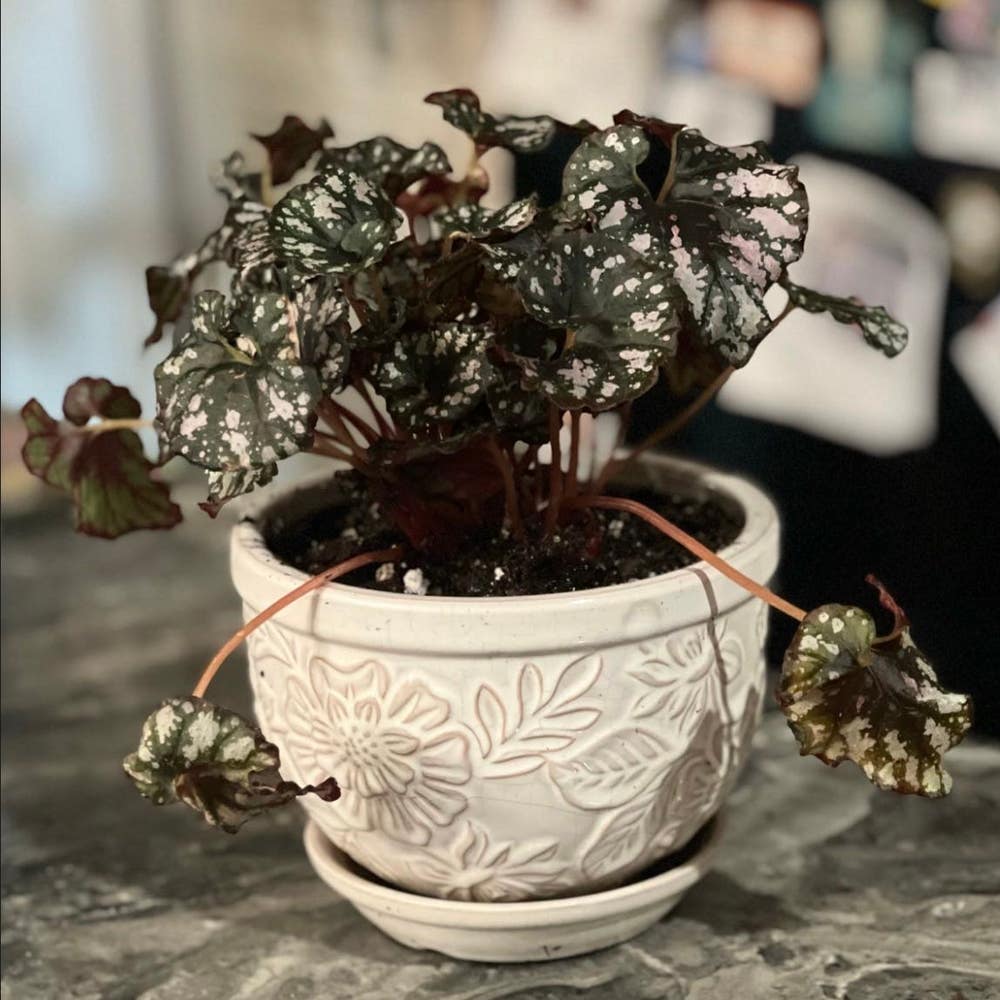
🎨 6 Tips for Growing Painted-Leaf Begonia
Begonia rex
By the Greg Editorial Team
Sep 29, 2024•6 min read
This article was created with the help of AI so we can cover more plants for you. May contain errors. See one? Report it here.
- 🌞 Painted-leaf begonias thrive in indirect sunlight; place near east or north windows.
- 🌿 Maintain humidity above 50% using humidifiers or pebble trays for optimal growth.
- 🌡️ Keep temperatures between 18°C to 24°C for healthy painted-leaf begonia development.
Choosing the Right Location
🌱 Indoor vs. Outdoor Growing
When it comes to growing painted-leaf begonias, location is key. Indoors, these plants thrive in controlled environments where temperatures and humidity remain stable.
Outdoors, they prefer shaded areas, especially in warmer climates. Just remember to keep them out of direct sunlight to avoid scorching those beautiful leaves.
☀️ Light Requirements
Light is crucial for the health of your begonia. Indirect sunlight is the best choice, as it helps prevent leaf scorch.
For optimal growth, place your plant near east or north-facing windows. This positioning allows for bright light without the harshness of direct sun.
🌡️ Temperature and Humidity Preferences
Temperature plays a significant role in the well-being of painted-leaf begonias. They flourish in an optimal range of 18°C to 24°C (65°F to 75°F).
Humidity is equally important; aim for levels of 50% or more. If your home is dry, consider using a humidifier or placing pebble trays filled with water near your plant to maintain that necessary moisture.
With the right location, your painted-leaf begonia will be set up for success. Next, let’s dive into soil and planting techniques to ensure your plant has a solid foundation for growth.
Soil and Planting
Soil Preparation 🌱
Creating the perfect soil mix is crucial for your painted-leaf begonia's health. A well-draining soil mix is essential, combining peat moss, perlite, and orchid bark for optimal aeration and moisture retention.
The ideal soil pH for painted-leaf begonias is slightly acidic, ranging from 5.5 to 6.5. This pH level helps the plant absorb nutrients effectively, promoting vibrant growth.
Planting Techniques 🌼
When planting outdoors, ensure you space your begonias 12 to 18 inches apart. This spacing allows for adequate airflow and prevents overcrowding, which can lead to disease.
It's also important to plant at the same depth as they were in their nursery pots. This helps maintain their root structure and encourages healthy growth.
Container Selection 🪴
Choosing the right container is key to your plant's success. Opt for pots that are 1 to 2 inches larger in diameter than the root ball to give your begonia room to grow.
Material matters too; terracotta and plastic are both great options. Just make sure your pots have drainage holes to prevent waterlogging, which can harm the roots.
By following these soil and planting guidelines, you set the stage for a thriving painted-leaf begonia. Next, let’s dive into the essential aspects of watering and fertilizing to keep your plant flourishing.
Watering and Fertilizing
Watering Frequency and Techniques 🌊
Watering your Painted-Leaf Begonia is crucial for its health. Use two effective techniques:
- Top Watering: Water the plant until it drains from the bottom. This ensures even moisture distribution.
- Bottom Watering: Place the pot in water for 30 minutes, allowing the soil to absorb moisture from the bottom up.
Check the soil regularly; water when the top inch feels dry. This simple routine helps maintain the right moisture balance.
Fertilizing Schedule 🌱
Fertilizing supports robust growth. Use a balanced liquid fertilizer, like a 20-20-20 mix.
- Dilution: During the growing season, dilute the fertilizer to half-strength.
- Frequency: Apply every 4-6 weeks to keep your plant nourished.
This schedule promotes vibrant foliage and healthy blooms.
Signs of Overwatering or Underwatering 🚨
Understanding your plant's signals is key.
- Overwatering: Look for yellowing leaves and mushy stems. These are clear signs that your plant is drowning.
- Underwatering: If you notice wilting or crispy leaf edges, your begonia is thirsty.
Monitoring these signs helps you adjust your care routine effectively.
With proper watering and fertilizing, your Painted-Leaf Begonia will thrive. Next, let’s explore essential pruning and maintenance techniques to keep your plant looking its best.
Pruning and Maintenance
✂️ Pruning Techniques
Pruning is essential for keeping your painted-leaf begonia healthy and vibrant. The best time to prune is early spring, just before new growth begins.
Use clean, sharp scissors to remove any dead or damaged leaves. This not only improves the plant's appearance but also encourages fresh growth.
🌼 Deadheading and Leaf Care
Deadheading is another important maintenance task. By removing spent flowers, you promote new blooms and keep your plant looking its best.
For leaf care, simply wipe the leaves with a damp cloth to remove dust. This helps the plant absorb more light and stay healthy.
🍂 Seasonal Care Adjustments
As the seasons change, so should your care routine. Adjust your watering and fertilizing based on the plant's growth cycles to ensure it thrives year-round.
If your begonia is indoors during winter, consider increasing humidity levels. This can be done with a humidifier or by placing a pebble tray filled with water beneath the pot.
With these pruning and maintenance tips, your painted-leaf begonia will flourish beautifully. Next, let’s tackle common challenges and solutions to keep your plant thriving.
Common Challenges and Solutions
Identifying and Treating Pests 🐛
Pests can be a real headache for your painted-leaf begonia. Aphids are small, green insects that can sap the plant's vitality. Treat them with insecticidal soap for effective control.
Spider mites are another common foe, identifiable by fine webbing on leaves. To combat them, increase humidity around the plant and consider using miticides for a more aggressive approach.
Addressing Diseases 🦠
Diseases can also threaten your begonia's health. Powdery mildew appears as white powdery spots on leaves. To tackle this issue, improve air circulation and apply fungicides as needed.
Root rot is often caused by overwatering. Ensure your soil is well-draining and adjust your watering routine to prevent this problem.
Tips for Overcoming Environmental Stress 🌬️
Environmental stress can hinder your plant's growth. Temperature fluctuations can be detrimental; keep your begonia in a stable environment and avoid drafts to maintain its health.
Humidity is crucial for painted-leaf begonias. Use humidity trays or mist the leaves regularly to create a more favorable environment.
By staying vigilant against pests, diseases, and environmental stressors, you can ensure your painted-leaf begonia thrives beautifully. Next, let’s explore advanced care techniques to elevate your plant care game.
Advanced Care Techniques
Propagation Methods 🌱
Propagation is a rewarding way to expand your painted-leaf begonia collection.
Leaf Cuttings
- Start by selecting healthy leaves from your plant.
- Cut the leaves into sections, ensuring each piece has a vein.
- Place these sections in moist soil and wait for roots to develop. This method is moderately challenging but well worth the effort.
Division
- Carefully remove the plant from its pot.
- Separate the root ball into sections, making sure each section has roots.
- Replant these sections in new pots. This technique helps rejuvenate your plant and encourages new growth.
Seasonal Growth Cycles and Adjustments 🌸
Understanding seasonal growth cycles is key to keeping your begonia thriving.
Monitor growth patterns closely and adjust your care routines as needed.
During dormancy periods, typically in winter, reduce both watering and fertilizing to prevent stress on the plant.
Long-Term Care Strategies for Healthy Growth 🌿
Long-term care is essential for a vibrant painted-leaf begonia.
Regularly check for pests and diseases to catch any issues early.
Rotate your pots occasionally to ensure even light exposure, promoting balanced growth.
Lastly, repot your begonia every 1-2 years to refresh the soil and provide room for growth. This simple step can make a significant difference in the health of your plant.
With these advanced care techniques, your painted-leaf begonia will flourish beautifully. Next, let’s explore common challenges and solutions to keep your plant in top shape.
⚠️ Safety First
This content is for general information and may contain errors, omissions, or outdated details. It is not medical, veterinary advice, or an endorsement of therapeutic claims.
Always consult a qualified healthcare professional before using any plant as food, medicine, or supplement.
Never eat any plant (or feed one to pets) without confirming its identity with at least two trusted sources.
If you suspect poisoning, call Poison Control (800) 222-1222, the Pet Poison Helpline (800) 213-6680, or your local emergency service immediately.
Spotted an error? Please report it here.
Transform your painted-leaf begonia into a vibrant masterpiece 🌿 with Greg's custom care reminders and watering plans that ensure your plant thrives effortlessly!