10 Tips for Blooming Your Painted-Leaf Begonia 🌸
Begonia rex
By the Greg Editorial Team
Sep 29, 2024•4 min read
This article was created with the help of AI so we can cover more plants for you. May contain errors. See one? Report it here.
- 🌿 Painted-Leaf Begonias bloom rarely, focusing on vibrant foliage instead of flowers.
- 🌞 Bright, indirect sunlight and balanced fertilizer encourage blooming during the growing season.
- 🌸 Flowers last only 1-2 weeks, so enjoy their brief beauty while it lasts!
Flowering Status
The Painted-Leaf Begonia is primarily celebrated for its stunning foliage rather than its flowers. This plant focuses on vibrant leaves, which means significant flowering is rare.
🌱 Reasons for Non-Flowering
As a non-flowering species, the Painted-Leaf Begonia often prioritizes leaf growth over blooms. However, environmental conditions like light and temperature can influence its potential to flower, making it essential to provide the right care.
Understanding this flowering status helps set realistic expectations for your plant care journey. Embrace the beauty of its leaves, and remember that the focus on foliage is what makes this begonia truly special.
If Painted-Leaf Begonia Flowers
🌼 Flower Characteristics
Colors and Structure of Flowers
The Painted-Leaf Begonia produces small flowers that typically range from white to pink. These delicate blooms are clustered on a flower spike, showcasing their intricate petal structure.
Self-Pollination vs. External Pollination
This plant has self-pollinating capabilities, allowing it to produce seeds without external help. However, external pollination can enhance seed production, making it beneficial for gardeners looking to propagate.
🌸 Blooming Process
Stages of Blooming
The blooming process begins with the emergence of flower spikes, signaling the start of bud formation. This is followed by the opening of petals and culminates in full bloom.
Typical Bloom Time
Blooming generally occurs in late spring to early summer, providing a vibrant display during warmer months.
Duration from Bud Formation to Full Bloom
From the initial bud formation to full bloom, expect a timeline of approximately 4-6 weeks. This gradual process allows for anticipation and excitement as the flowers develop.
Lifespan of Flowers
Once in bloom, the flowers typically last for about 1-2 weeks before wilting. This brief lifespan emphasizes the importance of enjoying their beauty while it lasts.
🌱 Encouraging Blooms
Tips for Promoting Flowering
To encourage flowering, ensure your Painted-Leaf Begonia receives bright, indirect sunlight. Additionally, using a balanced fertilizer during the growing season and regularly pruning dead leaves can promote new growth.
Factors Influencing Flowering
Environmental conditions play a crucial role in blooming. Factors such as temperature, humidity, and light exposure can significantly influence the plant's ability to flower.
🌿 Post-Flowering
What Happens After Flowering
After flowering, the Painted-Leaf Begonia may enter a resting phase, redirecting its energy toward foliage growth. This phase is essential for maintaining the plant's overall health.
Does it Die After Flowering?
No, the Painted-Leaf Begonia does not die after flowering. Instead, it continues to thrive and grow, ensuring that its stunning foliage remains a focal point in your garden.
This understanding of the flowering process can help you appreciate the beauty of the Painted-Leaf Begonia, whether it blooms or not. Next, let’s explore what happens if your plant doesn’t flower at all.
If Painted-Leaf Begonia Doesn't Flower
Primary Ornamental Features 🌿
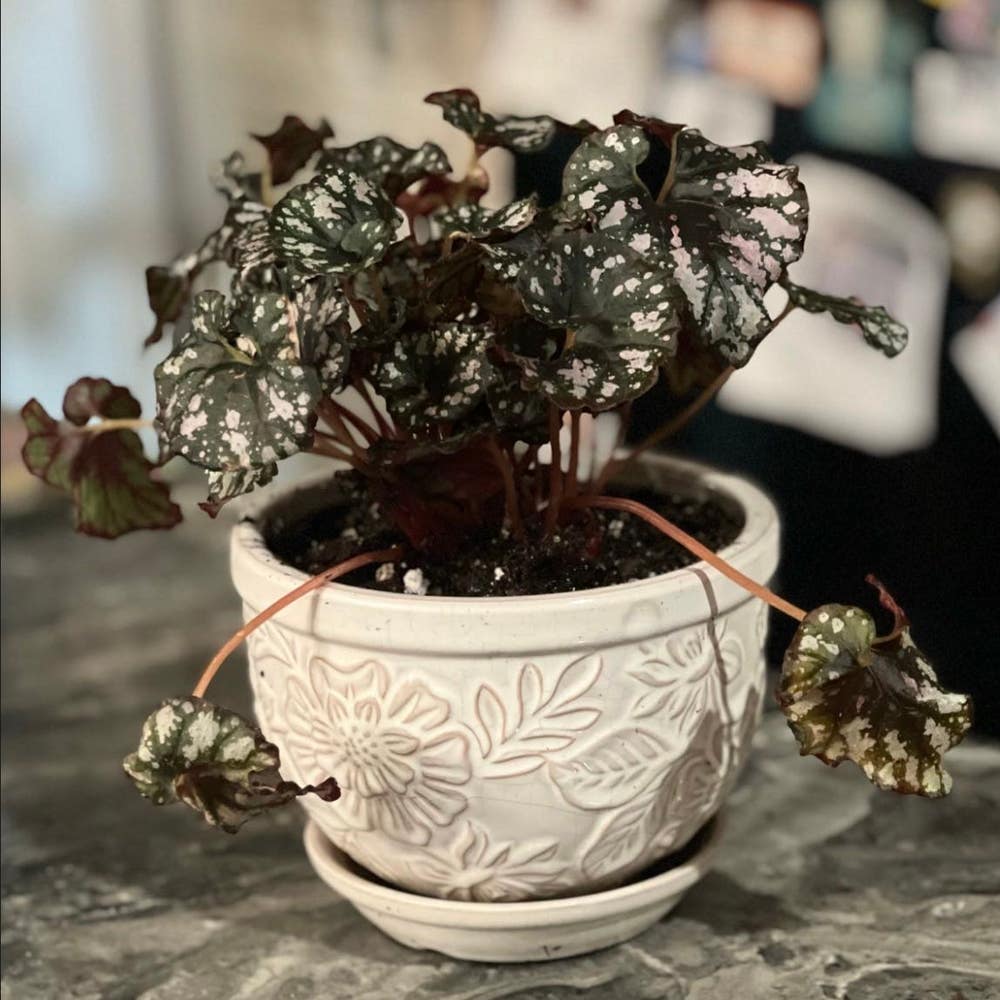
The Painted-Leaf Begonia captivates with its unique leaf patterns. Its variegated leaves showcase striking colors, making it a standout in any plant collection.
These leaves are not just pretty; they often feature textured surfaces and intricate designs. This visual appeal is what truly defines the plant, even in the absence of flowers.
Reproduction Methods Without Flowers 🌱
Interestingly, the Painted-Leaf Begonia has a clever way of reproducing without relying on flowers. It can propagate through leaf cuttings, allowing gardeners to expand their collection effortlessly.
This asexual reproduction method is a game-changer for plant enthusiasts. It means you can enjoy more of these stunning plants without waiting for blooms.
In summary, even if your Painted-Leaf Begonia doesn’t flower, its vibrant foliage and easy propagation methods ensure it remains a beloved addition to your home.
Next, let’s explore the unique aspects of this fascinating plant and its reproductive strategies.
Unique Aspects
🌼 Unusual Characteristics Related to Flowering or Non-Flowering
The Painted-Leaf Begonia is fascinating for its emphasis on lush foliage over flowers. This unique trait sets it apart from many other houseplants, making it a favorite for those who appreciate vibrant leaves.
Some varieties may produce flowers, but they often go unnoticed due to their subtle appearance. These inconspicuous blooms can be easily overshadowed by the plant's stunning foliage.
📚 Interesting Facts or Trivia About Reproductive Strategies
One of the most appealing aspects of the Painted-Leaf Begonia is its ability to reproduce through leaf cuttings. This method of asexual reproduction makes it a popular choice among gardeners looking for easy propagation techniques.
The plant's life cycle is heavily influenced by care practices and environmental factors, emphasizing the importance of maintaining healthy foliage. This focus on foliage health not only enhances its beauty but also ensures the plant thrives year-round.
As you explore the world of Painted-Leaf Begonias, remember that their charm lies in their leaves. Whether you're nurturing a flowering variety or simply enjoying the foliage, these plants offer a unique experience for any plant lover.
⚠️ Safety First
This content is for general information and may contain errors, omissions, or outdated details. It is not medical, veterinary advice, or an endorsement of therapeutic claims.
Always consult a qualified healthcare professional before using any plant as food, medicine, or supplement.
Never eat any plant (or feed one to pets) without confirming its identity with at least two trusted sources.
If you suspect poisoning, call Poison Control (800) 222-1222, the Pet Poison Helpline (800) 213-6680, or your local emergency service immediately.
Spotted an error? Please report it here.
Celebrate the vibrant foliage of your Painted-Leaf Begonia and let Greg help you unlock its blooming potential 🌼 with personalized care tips and reminders for a thriving plant experience!