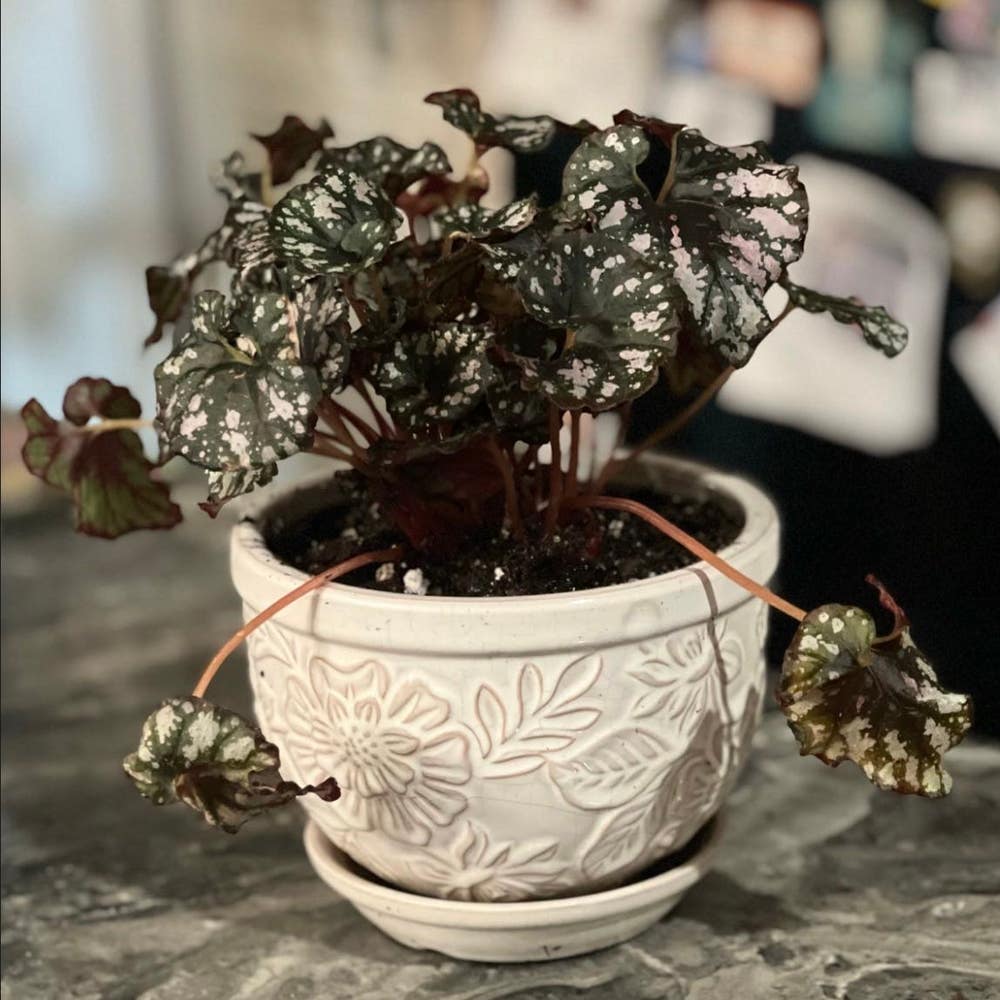
🎨 Ultimate Guide to Fertilizing Painted-Leaf Begonia
Begonia rex
By the Greg Editorial Team
Sep 29, 2024•4 min read
This article was created with the help of AI so we can cover more plants for you. May contain errors. See one? Report it here.
- 🌱 Essential nutrients like nitrogen, phosphorus, and potassium are vital for painted-leaf begonias.
- 💧 Liquid fertilizers should be diluted and applied every 2-4 weeks for best results.
- 🍂 Monitor for deficiencies: yellow leaves indicate nitrogen issues, while leaf drop signals potassium problems.
Importance of Fertilization for Growth and Blooming
🌱 Nutrient Requirements
To thrive, painted-leaf begonias need essential nutrients: nitrogen, phosphorus, potassium, and various micronutrients. A balanced NPK ratio, such as 10-10-10 or 20-20-20, ensures your plant gets what it needs for lush foliage and vibrant blooms.
Balanced nutrients are crucial for overall plant health. They not only support growth but also enhance the begonia's stunning colors, making your plant a true showstopper.
⚠️ Signs of Nutrient Deficiency
Keep an eye out for yellowing leaves, which often signal nitrogen deficiency. If you notice stunted growth, it might be a sign of phosphorus deficiency, while leaf drop can indicate potassium issues.
Timely intervention is key. Addressing these deficiencies quickly can prevent permanent damage and keep your begonia thriving. Regular monitoring will help you catch these signs early, ensuring your plant remains healthy and beautiful.
Types of Fertilizers
💧 Liquid Fertilizers: Benefits and Application
Liquid fertilizers are a gardener's best friend for quick nutrient absorption. They provide immediate nourishment, making them ideal for painted-leaf begonias that need a boost.
For regular feeding, dilute the liquid fertilizer to half strength. This ensures your plant gets the nutrients without the risk of over-fertilization.
Aim to apply liquid fertilizers every 2 to 4 weeks during the growing season. This frequency keeps your begonias thriving and vibrant.
⏳ Slow-Release Fertilizers: When and How to Use
Slow-release fertilizers offer a steady supply of nutrients over time. This gradual release minimizes the risk of over-fertilization, making them a safer choice for beginners.
Apply slow-release fertilizers at the beginning of the growing season. This timing aligns perfectly with your plant's growth cycle.
Look for granular fertilizers with a balanced NPK ratio, such as 10-10-10. These products provide the essential nutrients your begonias crave.
🌱 Organic vs. Synthetic Fertilizers: Pros and Cons
When it comes to fertilizers, you have two main options: organic and synthetic. Organic fertilizers enhance soil health and reduce chemical exposure, making them a favorite among eco-conscious gardeners.
On the other hand, synthetic fertilizers offer quick nutrient availability. However, they can lead to nutrient imbalances if not used carefully.
Choosing the right type depends on your gardening philosophy and the specific needs of your plants. Consider what aligns best with your goals for a thriving garden.
With a solid understanding of fertilizer types, you're well-equipped to nourish your painted-leaf begonias effectively. Next, let’s explore the best fertilization schedule to keep your plants flourishing throughout the seasons.
Fertilization Schedule
🌱 Spring Fertilization: Timing and Amount
As the days grow longer and new growth emerges, it's time to start fertilizing your painted-leaf begonia. Typically, this begins in early spring when you can apply about 1 tablespoon of fertilizer per gallon of water, following the package instructions closely.
Monitoring your plant's response is crucial. Adjust your feeding based on how your begonia reacts to the nutrients.
☀️ Summer Care: Adjusting Fertilization
During summer, your begonia's growth rate will likely increase, necessitating more frequent feeding. You may find it beneficial to fertilize every 2-3 weeks, depending on the vigor of your plant.
Look for signs of healthy leaf growth and vibrant colors as indicators that your fertilization routine is on point.
🍂 Fall and Winter Considerations: Reducing Fertilizer
As your begonia transitions into dormancy, it's essential to reduce the frequency of fertilization. A recommended schedule is to fertilize once a month or even stop altogether during winter.
This approach helps prevent nutrient buildup, ensuring your plant remains healthy during its rest period. Keeping an eye on your plant's needs will guide you through these seasonal changes.
Application Techniques
How to Apply Fertilizer: Step-by-Step Guide 🌱
Applying fertilizer to your painted-leaf begonia can seem daunting, but it’s straightforward once you break it down. Follow these easy steps to ensure your plant thrives.
Choose the Right Fertilizer Type
Start by selecting a fertilizer that meets your plant's specific needs. Consider whether you prefer liquid or slow-release options.Dilute Liquid Fertilizer
If you opt for liquid fertilizer, dilute it according to the package instructions. This ensures your plant receives the right concentration of nutrients.Water the Plant Thoroughly
Before applying fertilizer, give your begonia a good drink. This helps prevent root burn and prepares the plant for nutrient absorption.Apply Fertilizer Evenly
Spread the fertilizer evenly around the base of the plant. This allows for uniform nutrient distribution, promoting healthy growth.Follow Up with Additional Watering
After application, water the plant again. This helps the fertilizer penetrate the soil and reach the roots effectively.
By following these steps, you can provide your painted-leaf begonia with the nutrients it needs to flourish. Remember, a little care goes a long way in keeping your plant vibrant and healthy.
Next, let’s explore how to create a fertilization schedule that aligns with your plant's growth cycles.
⚠️ Safety First
This content is for general information and may contain errors, omissions, or outdated details. It is not medical, veterinary advice, or an endorsement of therapeutic claims.
Always consult a qualified healthcare professional before using any plant as food, medicine, or supplement.
Never eat any plant (or feed one to pets) without confirming its identity with at least two trusted sources.
If you suspect poisoning, call Poison Control (800) 222-1222, the Pet Poison Helpline (800) 213-6680, or your local emergency service immediately.
Spotted an error? Please report it here.
Boost your painted-leaf begonia's vibrancy 🌿 with Greg's tailored fertilization reminders and nutrient tracking, ensuring it flourishes beautifully all year long!