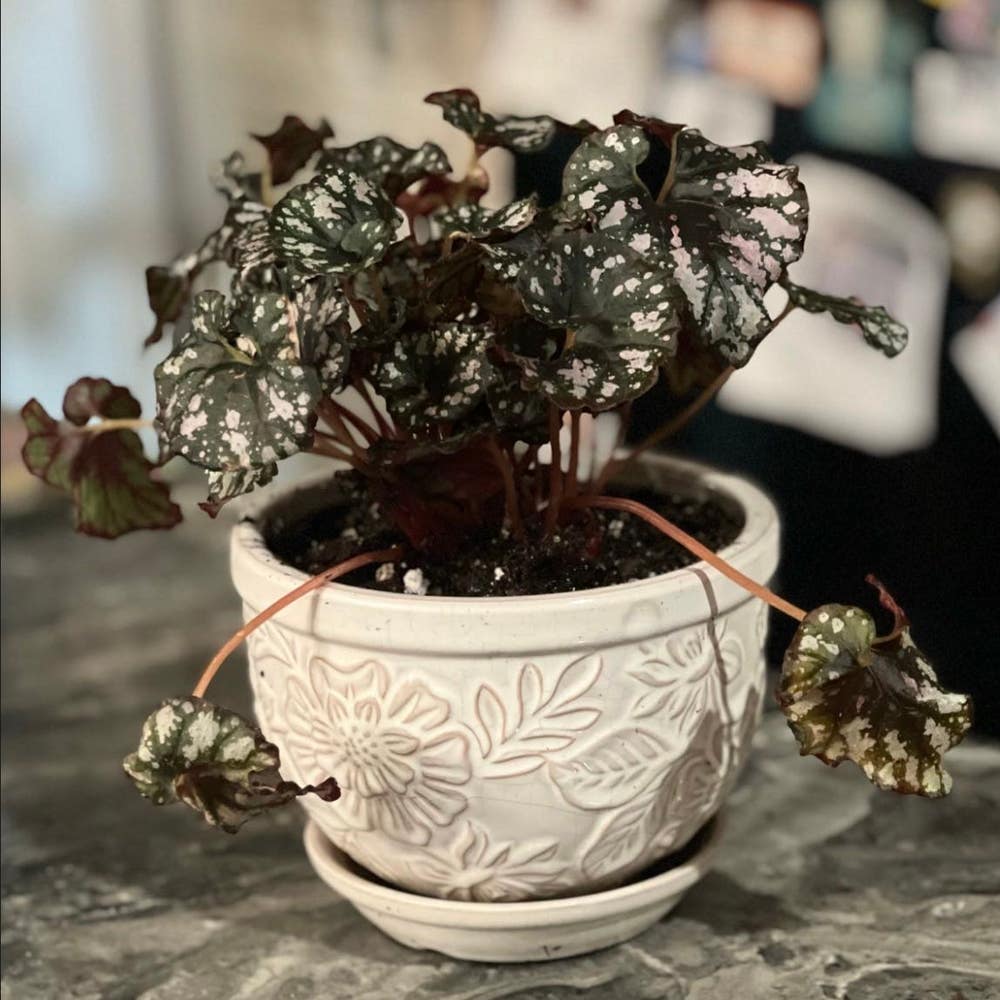
✂️ When and Where to Prune Your Painted-Leaf Begonia
Begonia rex
By the Greg Editorial Team
Sep 29, 2024•5 min read
This article was created with the help of AI so we can cover more plants for you. May contain errors. See one? Report it here.
- ✂️ Pruning painted-leaf begonias promotes health, new growth, and vibrant foliage.
- 🌱 Best times to prune are early spring and late summer after flowering.
- 🛠️ Use sharp tools and gloves to ensure safe, effective pruning without stress.
Benefits of Pruning
🌱 Enhancing Plant Health
Pruning your painted-leaf begonia is essential for maintaining its overall health. By removing dead or damaged leaves, you not only tidy up the plant but also promote new growth.
A well-pruned begonia encourages bushier growth and vibrant foliage. This means more leaves and flowers, creating a lush, eye-catching display.
Improved air circulation is another significant benefit of pruning. It reduces the risk of diseases that thrive in crowded, stagnant conditions.
Additionally, regular pruning helps maintain the desired shape and size of your plant. This keeps your begonia looking its best and fits perfectly in your space.
Incorporating these pruning practices will lead to a healthier, more beautiful painted-leaf begonia. With a little effort, you can enjoy a thriving plant that brings joy to your home.
As you prepare to prune, consider the tools you'll need for the task ahead.
Tools Needed for Pruning
When it comes to pruning your painted-leaf begonia, having the right tools is crucial. Here’s what you’ll need to get started.
✂️ Essential Pruning Tools
Sharp, Clean Pruning Shears or Scissors: These are your primary tools. Sharp blades make clean cuts, which are essential for plant health.
Disinfectant: Always sterilize your tools before use. This prevents the spread of diseases and keeps your plant safe.
🧤 Protective Gear
- Gloves: Protect your hands from sap and any potential irritants. It’s a small step that makes a big difference.
🧺 Optional Tools
- Small Container: Consider using a container for collecting cuttings. This keeps your workspace tidy and makes cleanup easier.
With these tools in hand, you’re ready to tackle your pruning project. Proper preparation sets the stage for a successful pruning session, ensuring your painted-leaf begonia thrives.
Next, let’s dive into the best times and techniques for pruning your plant effectively.
When and How to Prune
🌱 Best Seasons for Pruning
Pruning your painted-leaf begonia is best done in early spring. This timing allows for rejuvenation just before the growing season kicks off.
Late summer is another prime time for maintenance. It’s perfect for shaping the plant after it has finished flowering.
👀 Signs That Pruning is Needed
Keep an eye out for yellowing or wilting leaves. These are clear indicators that your plant may need some attention.
Overcrowded growth can hinder air circulation, making it essential to prune. Additionally, spindly or leggy growth patterns signal that your begonia is craving a good trim.
✂️ Techniques for Cutting Leaves and Stems
When cutting leaves and stems, aim to cut just above a leaf node. This technique encourages new growth to flourish.
Always strive for a clean cut to minimize damage and stress to the plant. A precise cut helps your begonia bounce back more robustly.
🌳 How to Shape the Plant Through Pruning
To encourage branching, pinch back the tips of the stems. This simple action can lead to a fuller, bushier plant.
Maintain a balanced shape by pruning evenly around the plant. This ensures that your begonia grows harmoniously, looking its best from every angle.
By understanding when and how to prune, you set your painted-leaf begonia up for optimal growth. Next, let’s explore the importance of deadheading for keeping your plant vibrant and healthy.
Deadheading for Optimal Growth
Importance of Deadheading 🌼
Deadheading is crucial for your painted-leaf begonia. It prevents energy loss to spent flowers, allowing the plant to redirect resources toward new growth.
Removing unsightly blooms also enhances the overall appearance of your plant. A tidy plant not only looks better but also promotes a healthier growing environment.
Step-by-Step Deadheading Instructions ✂️
- Identify spent flowers: Look for wilted or brown blooms that no longer contribute to the plant's beauty.
- Use clean shears: Cut the flower stem back to the nearest leaf node to encourage new growth.
- Dispose of cut flowers: Proper disposal helps prevent pests and diseases from taking hold.
Signs of Spent Flowers 👀
Keep an eye out for flowers that have lost their color or are wilting. Brown or shriveled petals are clear indicators that the blooming cycle has ended.
By regularly deadheading your painted-leaf begonia, you ensure it remains vibrant and healthy. This simple practice can significantly enhance your plant's growth and appearance, setting the stage for a flourishing garden.
Next, let’s explore common pruning mistakes to avoid for optimal plant health.
Common Pruning Mistakes
✂️ Over-Pruning and Its Effects
Over-pruning can stress your painted-leaf begonia, leading to reduced growth. Signs of this mistake include leaf drop and stunted growth, which can be disheartening for any plant lover.
🛠️ Not Using the Right Tools
Using sharp, clean tools is crucial for effective pruning. Dull tools can tear leaves and stems, increasing the risk of disease transmission and harming your plant.
📈 Ignoring Plant Growth Patterns
Every begonia variety has its unique growth habits. Adapting your pruning techniques to these patterns ensures healthier, more vibrant plants and prevents unnecessary damage.
Understanding these common mistakes can help you maintain a thriving painted-leaf begonia. With the right approach, your plant will flourish, setting the stage for effective deadheading and optimal growth.
⚠️ Safety First
This content is for general information and may contain errors, omissions, or outdated details. It is not medical, veterinary advice, or an endorsement of therapeutic claims.
Always consult a qualified healthcare professional before using any plant as food, medicine, or supplement.
Never eat any plant (or feed one to pets) without confirming its identity with at least two trusted sources.
If you suspect poisoning, call Poison Control (800) 222-1222, the Pet Poison Helpline (800) 213-6680, or your local emergency service immediately.
Spotted an error? Please report it here.
Transform your painted-leaf begonia into a bushy beauty 🌿 with Greg's tailored pruning reminders and expert tips that keep your plant thriving all year round!