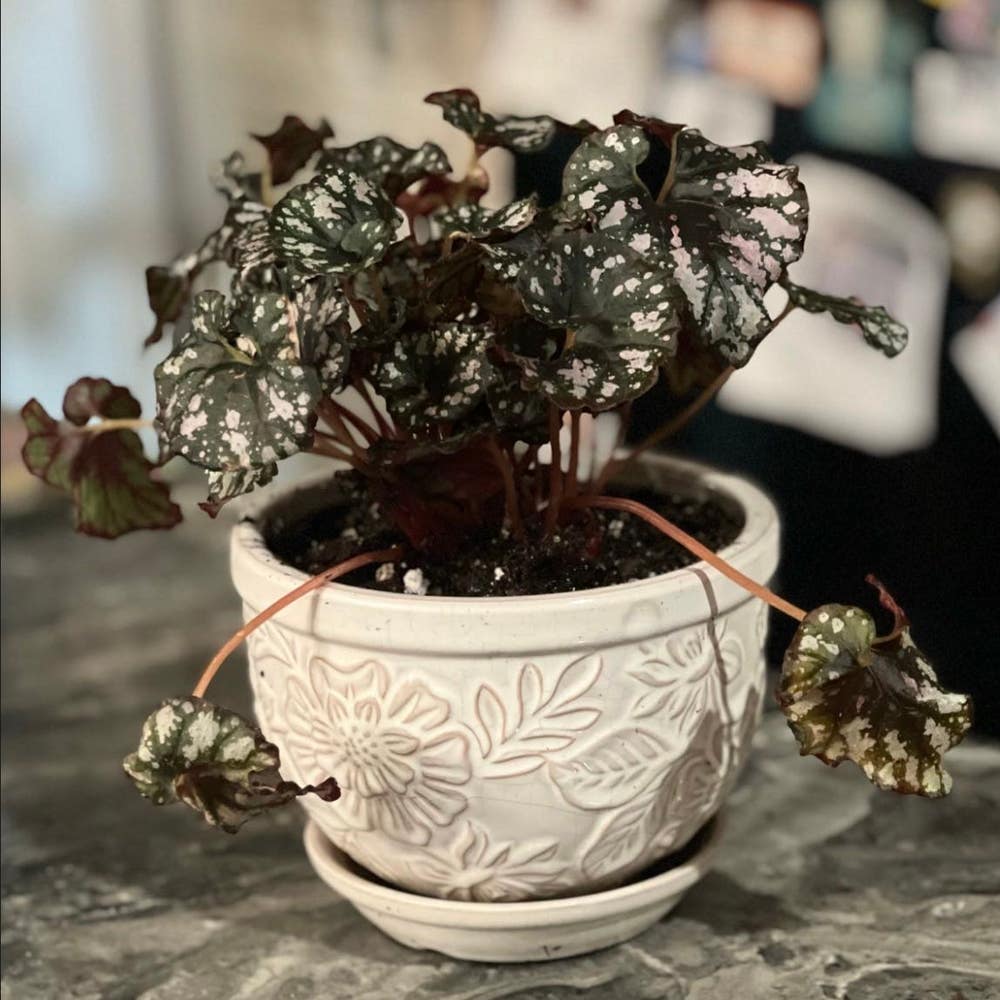
What Temperature Does My Painted-leaf Begonia Need?
Begonia rex
By the Greg Editorial Team
Jun 18, 2024•3 min read
This article was created with the help of AI so we can cover more plants for you. May contain errors. See one? Report it here.
- Ideal range 65-80°F for growth and flowering in Painted-leaf Begonia.
- Consistency is crucial; avoid sudden temperature changes.
- Prevent stress by avoiding drafts and direct sunlight.
Spotting the Sweet Spot: Ideal Temperature Range for Painted-leaf Begonia
🌡️ What's the Magic Number?
Painted-leaf Begonia, also known as Begonia rex, has a temperature sweet spot that's crucial for its well-being. During the summer months, aim for a balmy 74°F to keep your Begonia basking in warmth without breaking a sweat. As winter whispers in, dial it down to a cooler 64°F—a subtle shift that supports seasonal cycles.
🛡️ Consistency is Key
Steady as she grows, temperature consistency is the guardian of your Begonia's health. Sudden changes are the nemesis of this tropical native, causing it to throw a tantrum in the form of droopy leaves or stunted growth. Keep it away from the fickleness of drafts and the harsh breath of heating or cooling vents. Remember, a content Begonia is one that lives in a stable, predictable environment.

When Your Begonia Feels the Heat: Recognizing Temperature Stress
🌡️ Tell-tale Signs of a Too Toasty or Too Chilly Begonia
Leaves curling tighter than a roll of quarters? Your Begonia's too hot. If it's dropping leaves faster than a tree in autumn, it's too cold. These are the visual distress signals of temperature stress. Look out for leaves that mimic overwatered plants with their yellow hue, but it might be the sun's fault, not yours. Brown or black leaf tips? That's your Begonia's version of a white flag.
🛠️ Quick Fixes for Temperature Troubles
Caught your Begonia in a temperature-induced meltdown? Move it. Find a spot that's just right, away from the drama of drafts and the scorch of radiators. If it's looking like a plant version of a sunburnt tourist, provide some shade. Remember, your Begonia's not asking for much—just a steady, comfortable climate. Adjust your home's temperature like you're fine-tuning a vintage record player, gently and with care.

Keeping Your Cool: Preventing Temperature Stress
🌬️ Drafts and Sunbeams: Avoiding Common Pitfalls
Drafts and direct sunlight are the archenemies of Painted-leaf Begonia's comfort. To prevent temperature stress, position your plant away from air conditioning vents, open windows, and exterior doors. Direct sunlight can be just as harmful, so ensure your Begonia enjoys bright but indirect light to avoid the harsh effects of the sun's rays.
🌦️ Seasonal Shifts: Adapting to Changes
As seasons change, so should your Begonia care strategy. Monitor the weather and adjust your plant's location accordingly. During winter, move your Begonia away from cold drafts and consider providing extra warmth. In summer, shield it from intense heat by using blinds or sheer curtains. Stay proactive and your Begonia will reward you with vibrant foliage year-round.

Temperature's Tango with Flowering and Foliage
🌡️ Warmth and Blooms: The Temperature-Flowering Link
Painted-leaf Begonia's flowering is a delicate affair, highly influenced by temperature. 65–80°F (18–26°C) is the sweet spot, nudging the plant into its reproductive rumba. Straying outside this range? You risk a hasty bloom-burst known as bolting—think of it as the plant's last hurrah before a premature curtain call.
🍃 Leaves at Their Peak: Temperature and Foliage Health
Vibrant foliage is a Begonia's pride, and temperature plays stage manager to this visual feast. Consistent warmth ensures leaves maintain their luscious hue and robust health. Too hot, and you'll see a wilted performance; too cold, and the leaves might bow out with damage. Keep the climate steady, and your Begonia's foliage will stay in the limelight.
⚠️ Safety First
This content is for general information and may contain errors, omissions, or outdated details. It is not medical, veterinary advice, or an endorsement of therapeutic claims.
Always consult a qualified healthcare professional before using any plant as food, medicine, or supplement.
Never eat any plant (or feed one to pets) without confirming its identity with at least two trusted sources.
If you suspect poisoning, call Poison Control (800) 222-1222, the Pet Poison Helpline (800) 213-6680, or your local emergency service immediately.
Spotted an error? Please report it here.
Keep your Painted-leaf Begonia flourishing with steady warmth 🌡 by relying on Greg for reminders to adjust your plant's spot based on the season's temps!