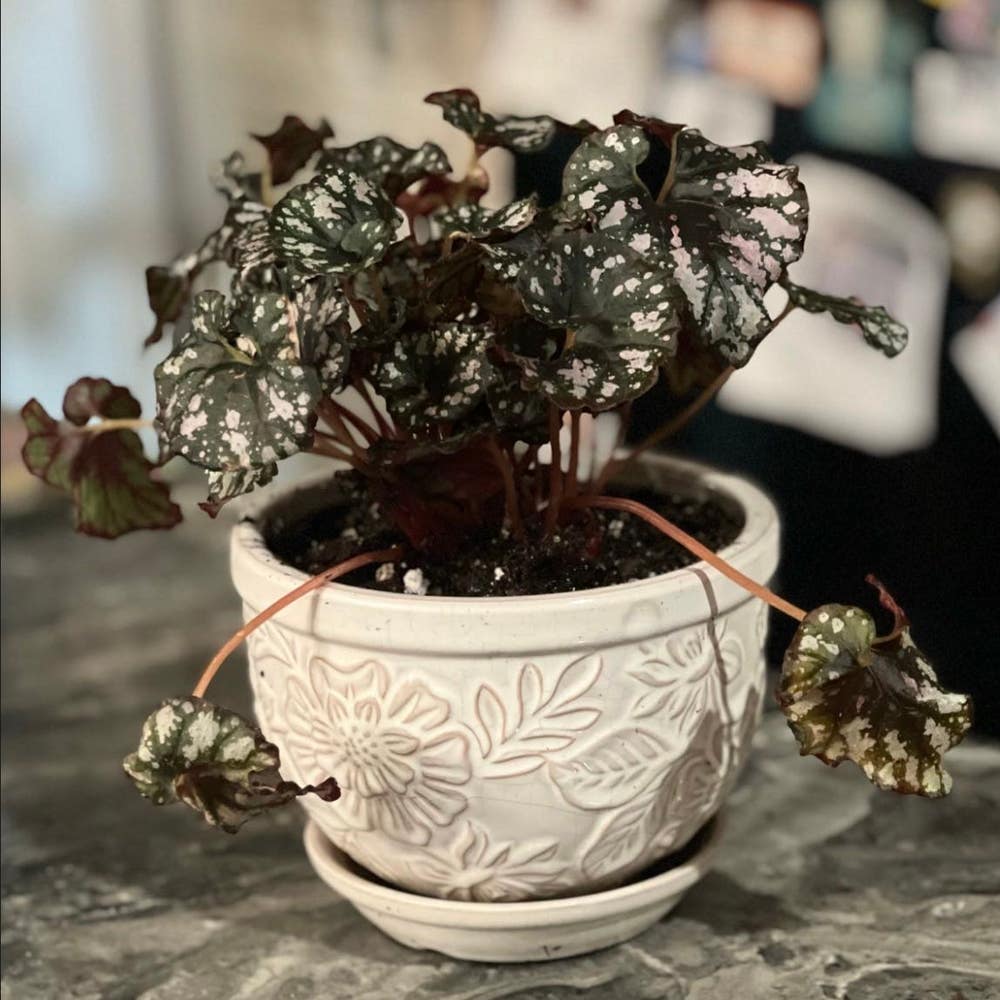
🎨 Where Can Painted-Leaf Begonia Grow? Zones 10a-12b
Begonia rex
By the Greg Editorial Team
Sep 29, 2024•5 min read
This article was created with the help of AI so we can cover more plants for you. May contain errors. See one? Report it here.
- 🌱 Painted-Leaf Begonias thrive in USDA zones 10a to 12b for optimal growth.
- 🌡️ Ideal temperatures range from 65°F to 80°F; avoid frost exposure for health.
- ☀️ Filtered sunlight and humidity are crucial for vibrant Painted-Leaf Begonia growth.
Temperature Tolerance of Painted-Leaf Begonia
Cold Tolerance Specifics ❄️
Painted-Leaf Begonias can typically tolerate temperatures down to 30°F (-1°C). However, they are sensitive to frost, which can damage their beautiful foliage and stunt growth.
Heat Tolerance Specifics 🔥
On the flip side, these plants thrive in warmer conditions, with a maximum tolerance of up to 90°F (32°C) or even higher. Humidity plays a crucial role here; higher humidity levels help them cope better with heat.
Ideal Temperature Ranges for Growth 🌡️
For optimal growth, aim for a temperature range of 65°F to 80°F (18°C to 27°C). Fluctuations outside this range can stress the plant, affecting its overall health and vibrancy.
Understanding these temperature tolerances is essential for successfully cultivating Painted-Leaf Begonias. Next, let’s explore the ideal regions where these stunning plants can flourish.
Ideal Regions for Growing Painted-Leaf Begonia
🌎 Examples of US States in Zones 10a-12b
Painted-Leaf Begonias thrive in specific regions, particularly in USDA zones 10a to 12b.
- California: The coastal areas and southern regions provide a perfect climate for these vibrant plants.
- Florida: The entire state, especially the southern parts, offers ideal conditions year-round.
- Texas: Southern and coastal areas of Texas are also suitable, thanks to their warm climate.
🌱 Factors Contributing to Ideal Growing Conditions
Several factors play a crucial role in creating the perfect environment for Painted-Leaf Begonias.
Humidity Levels
Consistent humidity is vital for the health of Painted-Leaf Begonias. These plants flourish in environments where humidity levels are maintained, preventing leaf curl and promoting lush growth.
Sunlight Requirements
Filtered sunlight is essential to avoid leaf scorch. While Painted-Leaf Begonias enjoy bright light, too much direct sun can damage their beautiful foliage.
Understanding these factors can significantly enhance your success in growing Painted-Leaf Begonias. With the right conditions, these plants can truly thrive, adding a splash of color to your garden.
As we explore further, let’s dive into how microclimates can impact the growth of these stunning plants.
Microclimates and Their Impact
🌱 How Microclimates Can Extend Growing Zones
Microclimates can significantly enhance the growth potential of Painted-Leaf Begonia, allowing it to thrive outside its typical hardiness zones. These localized climate variations can be influenced by several factors, including elevation, proximity to water, and urban heat islands.
Elevation plays a crucial role in temperature moderation. Higher altitudes often experience cooler temperatures, but specific valleys can trap heat, creating a warmer microclimate. Similarly, being near water bodies can help stabilize temperatures, providing a buffer against extreme weather.
Urban heat islands are another fascinating factor. Cities absorb and retain heat, creating warmer conditions that can support the growth of plants like Painted-Leaf Begonia. This phenomenon can extend the growing season, making urban areas surprisingly suitable for these vibrant plants.
🌍 Examples of Microclimates in the US
Coastal regions are prime examples of beneficial microclimates. Ocean breezes help moderate temperatures, preventing the extremes that can harm delicate foliage. This consistent climate allows Painted-Leaf Begonia to flourish, especially in areas with ample humidity.
Urban areas also showcase unique microclimates. The heat generated by buildings and infrastructure can create pockets of warmth, making it easier for Painted-Leaf Begonia to thrive. These conditions often lead to lush, vibrant gardens in cities where one might not expect them.
Understanding microclimates is essential for any gardener looking to cultivate Painted-Leaf Begonia successfully. By recognizing these localized conditions, you can maximize your chances of growing this stunning plant in various environments.
As we explore the ideal regions for growing Painted-Leaf Begonia, keep in mind how these microclimates can influence your gardening choices.
State-Level Suitability Analysis
List of US States Suitable for Painted-Leaf Begonia 🌿
Painted-Leaf Begonias thrive in USDA zones 10a to 12b, making several states ideal for their growth. Key states include:
- California: Particularly in coastal and southern regions, where the climate is warm and humid.
- Florida: The entire state offers suitable conditions, especially in the southern parts.
- Texas: Southern and coastal areas provide the warmth and humidity these plants love.
- Louisiana: The humid subtropical climate supports vibrant growth.
- Hawaii: Perfect year-round conditions for these tropical beauties.
These states boast the right combination of warmth, humidity, and sunlight, creating a paradise for Painted-Leaf Begonias.
List of US States Not Suitable for Painted-Leaf Begonia 🚫
Conversely, some states fall outside the ideal growing zones for Painted-Leaf Begonias. Notable examples include:
- North Dakota
- Montana
- Maine
These states typically reside in USDA zones below 10a, where colder temperatures and frost risks prevail. The lack of consistent humidity further complicates the possibility of successful growth.
Reasons for Suitability or Unsuitability Based on Climate Factors 🌡️
Understanding why certain states are suitable or unsuitable involves examining several climate factors.
Cold Tolerance: Painted-Leaf Begonias struggle in freezing temperatures, which can stunt their growth or kill them outright.
Frost Tolerance: The timing of the first and last frost dates is crucial. In unsuitable states, frost can arrive too early in the spring or linger too late in the fall, jeopardizing young plants.
Humidity and Sunlight: These plants require consistent humidity and filtered sunlight. States with dry climates or intense direct sunlight can lead to leaf scorch, making them less hospitable.
In summary, the right climate is essential for the health and vibrancy of Painted-Leaf Begonias. Understanding these factors can help gardeners make informed decisions about where to plant these stunning plants.
As we explore further, let’s dive into the fascinating world of microclimates and how they can extend the growing zones for Painted-Leaf Begonias.
⚠️ Safety First
This content is for general information and may contain errors, omissions, or outdated details. It is not medical, veterinary advice, or an endorsement of therapeutic claims.
Always consult a qualified healthcare professional before using any plant as food, medicine, or supplement.
Never eat any plant (or feed one to pets) without confirming its identity with at least two trusted sources.
If you suspect poisoning, call Poison Control (800) 222-1222, the Pet Poison Helpline (800) 213-6680, or your local emergency service immediately.
Spotted an error? Please report it here.
Unlock the vibrant growth of your Painted-Leaf Begonias 🌿 with Greg's tailored care tips and climate insights, ensuring they thrive in their ideal environment!