🎨 Painted-Leaf Begonia Is a Garden Plant, Not a Weed
Begonia rex
By the Greg Editorial Team
Sep 29, 2024•5 min read
This article was created with the help of AI so we can cover more plants for you. May contain errors. See one? Report it here.
- 🌱 Painted-Leaf Begonia enhances biodiversity without overwhelming local flora.
- 🌼 Compact size and vibrant colors make it ideal for diverse garden designs.
- 🦋 Supports wildlife by providing shelter and food for beneficial insects and pollinators.
Plant Classification
Definition of Invasive Species 🌱
Invasive species are non-native plants that aggressively spread, outcompeting local flora and disrupting ecosystems. They can wreak havoc on native habitats, but the Painted-Leaf Begonia is not one of them.
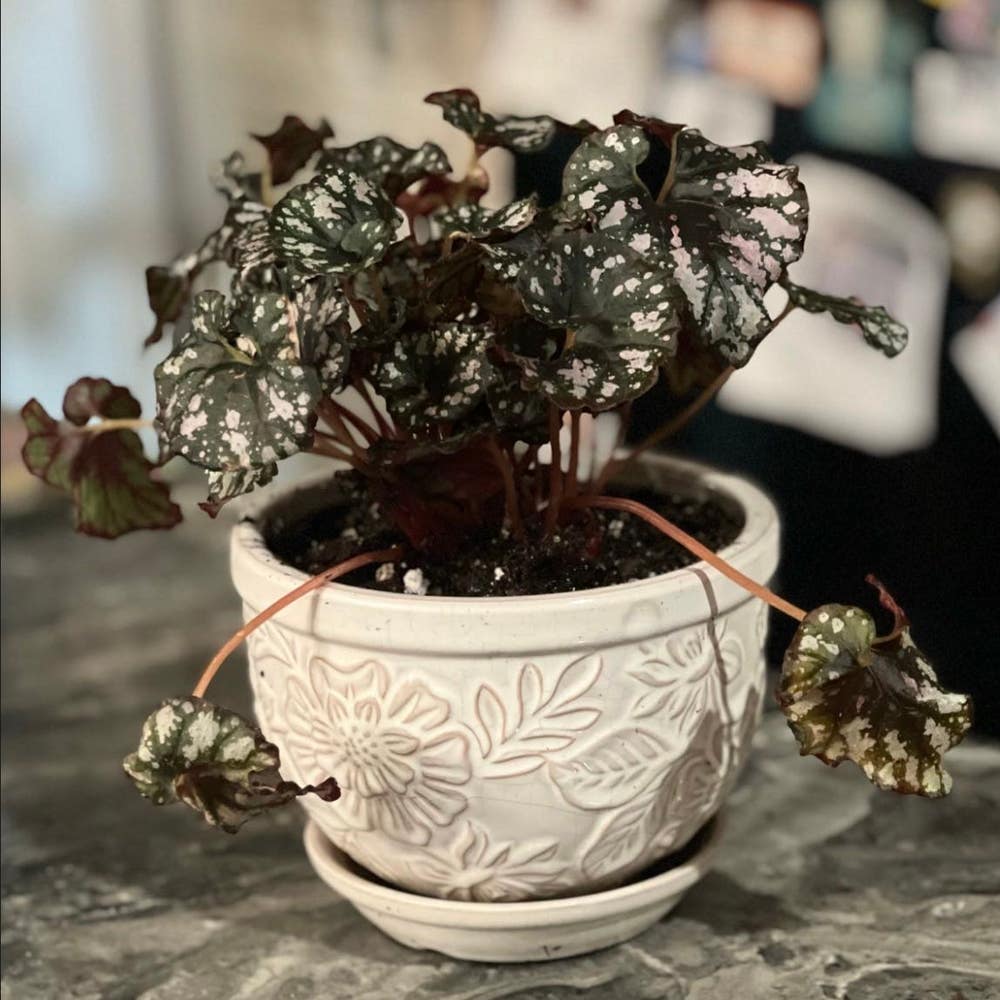
This charming plant boasts a compact growth habit and limited spread potential. Its bushy appearance and vibrant foliage make it a delightful addition to any garden without the risk of overwhelming other plants.
By understanding what defines an invasive species, we can appreciate the Painted-Leaf Begonia's role in our gardens. It thrives harmoniously alongside other plants, enhancing biodiversity rather than threatening it.
In the next section, we’ll explore the growth habits of this lovely begonia, diving into its typical patterns and environmental preferences.
Growth Habits
🌱 Typical Growth Patterns
The Painted-Leaf Begonia is a compact plant that boasts a bushy appearance and vibrant foliage. Typically, it reaches heights of 12 to 18 inches and spreads between 12 to 24 inches, making it a perfect companion for other garden plants.
🚧 Natural Limits to Growth
This plant's growth is naturally limited by its preference for shaded areas and specific soil conditions. As a result, it tends to thrive within designated garden spaces, ensuring it doesn’t take over.
🌦️ Environmental Conditions for Optimal Growth
For optimal growth, the Painted-Leaf Begonia prefers well-draining soil with moderate humidity. It requires regular watering but should never be waterlogged, thriving best in temperatures ranging from 60°F to 75°F (15°C to 24°C).
Incorporating the Painted-Leaf Begonia into your garden not only enhances its beauty but also supports a balanced ecosystem. Next, we’ll explore its ecological role and the benefits it brings to local wildlife.
Ecological Role
🦋 Benefits to Local Wildlife
Painted-Leaf Begonia plays a vital role in supporting local wildlife. Its lush foliage provides shelter and food for beneficial insects and pollinators, enhancing garden biodiversity.
This plant is particularly attractive to butterflies and other pollinators, making it a fantastic addition to any garden. By planting it, you're not just beautifying your space; you're also creating a haven for these essential creatures.
🌱 Interactions with Other Plants
One of the standout features of Painted-Leaf Begonia is its ability to coexist peacefully with other garden plants. This harmonious relationship contributes to a diverse ecosystem, allowing various species to thrive together.
Additionally, it can be effectively used in companion planting. By pairing it with other plants, you can enhance their growth and health, creating a more vibrant garden overall.
Incorporating Painted-Leaf Begonia into your garden not only elevates its aesthetic appeal but also fosters a thriving environment for wildlife and neighboring plants alike. This synergy is what makes gardening such a rewarding experience.
Garden Management
Incorporating into Garden Designs 🌳
Painted-Leaf Begonia thrives in shaded areas, making it perfect for spots under trees or in mixed borders. Its compact size allows it to serve as a focal point or blend seamlessly into larger planting schemes.
Aesthetic Considerations 🎨
Position these vibrant plants where their colorful foliage can truly shine, such as near pathways or seating areas. Think about color combinations with neighboring plants to create a visually striking garden.
Growth Control Methods ✂️
Regular pruning is essential to maintain the desired shape and size of your Painted-Leaf Begonia. Additionally, keep an eye on moisture levels to prevent overgrowth and ensure the plant remains healthy and vibrant.
Incorporating these management techniques will not only enhance the beauty of your garden but also promote a thriving ecosystem. As you plan your garden layout, consider how Painted-Leaf Begonia can contribute to a harmonious and colorful landscape.
Comparison to Other Plants
🌱 Similar Non-Invasive Plants
When considering non-invasive plants, Painted-Leaf Begonia stands out alongside Heuchera and Helleborus. All three share a compact growth habit, making them excellent choices for smaller garden spaces.
Heuchera, known for its colorful foliage, thrives in similar conditions and complements the begonia beautifully. Helleborus, or Lenten rose, adds a touch of elegance with its unique blooms, creating a harmonious blend in shaded areas.
🌟 Unique Qualities
What truly sets Painted-Leaf Begonia apart are its striking leaf patterns and vibrant colors. These features not only enhance visual interest but also make it a focal point in any garden design.
Its compact size allows for versatile placement, whether nestled among larger plants or showcased in a container. This adaptability, combined with its non-invasive nature, makes it a favorite for gardeners looking to create a stunning yet harmonious landscape.
Incorporating Painted-Leaf Begonia into your garden can elevate the aesthetic while promoting a diverse ecosystem. With its unique qualities, it’s a plant that not only beautifies but also enriches the environment.
As we explore the next section, let’s delve into the legal and environmental considerations surrounding this delightful garden addition.
Legal and Environmental Considerations
📜 Relevant Classifications and Guidelines
When considering the Painted-Leaf Begonia for your garden, it's essential to check local regulations. Some regions may have specific guidelines regarding non-native plants, even if they aren't classified as invasive.
Sourcing your Painted-Leaf Begonia from reputable nurseries is crucial. This practice helps prevent the introduction of pests or diseases that could harm your garden or local ecosystem.
🌱 Sustainable Gardening Practices
The Painted-Leaf Begonia is a fantastic choice for sustainable gardening. It promotes biodiversity and supports local wildlife, making it a valuable addition to any garden.
To maintain a healthy garden environment, consider organic care methods. Techniques like natural pest control and composting not only benefit your plants but also contribute to a thriving ecosystem.
By incorporating these practices, you can enjoy the beauty of Painted-Leaf Begonias while fostering a healthier garden environment. This approach ensures that your gardening efforts align with ecological well-being, paving the way for a vibrant and sustainable landscape.
⚠️ Safety First
This content is for general information and may contain errors, omissions, or outdated details. It is not medical, veterinary advice, or an endorsement of therapeutic claims.
Always consult a qualified healthcare professional before using any plant as food, medicine, or supplement.
Never eat any plant (or feed one to pets) without confirming its identity with at least two trusted sources.
If you suspect poisoning, call Poison Control (800) 222-1222, the Pet Poison Helpline (800) 213-6680, or your local emergency service immediately.
Spotted an error? Please report it here.
Transform your garden with the vibrant Painted-Leaf Begonia 🌿 while Greg's tailored care reminders ensure it thrives beautifully in its perfect environment!