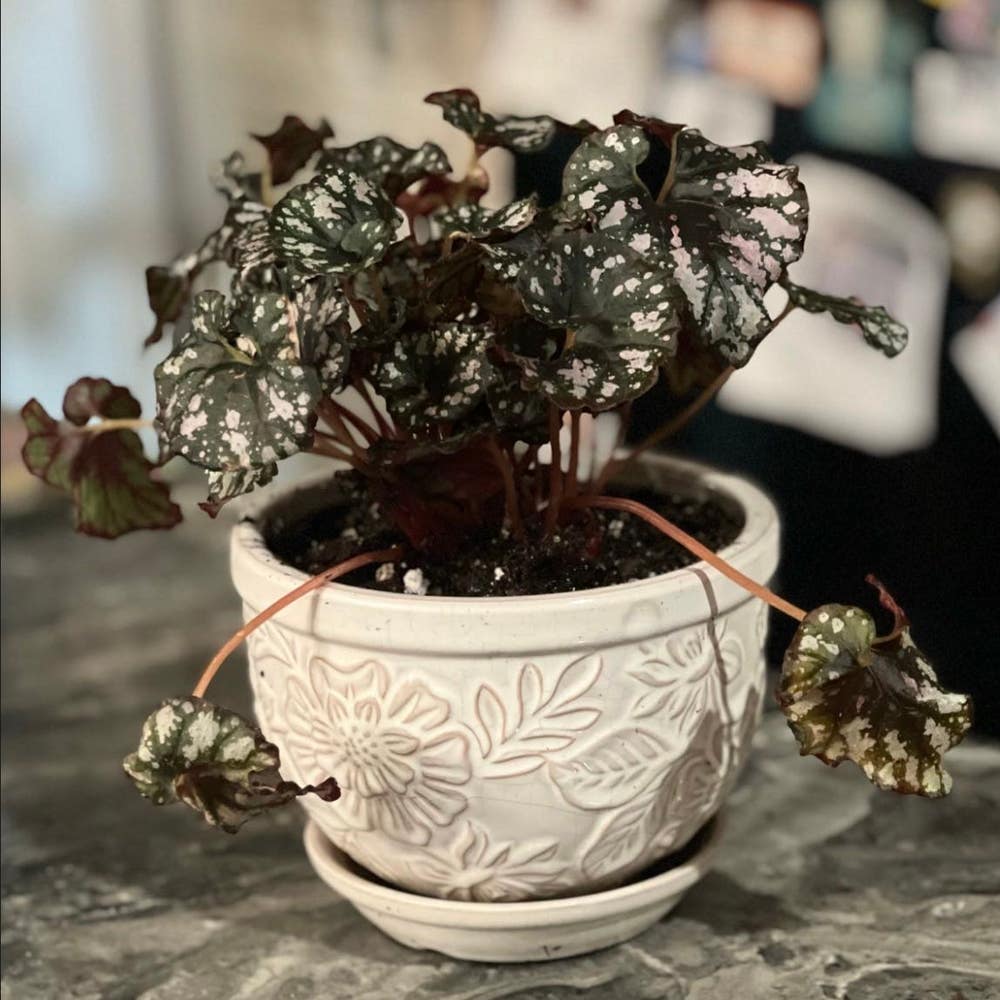
🐞 What Are The Bugs on My Painted-leaf Begonia?
Begonia rex
By the Greg Editorial Team
Jun 18, 2024•3 min read
This article was created with the help of AI so we can cover more plants for you. May contain errors. See one? Report it here.
- Discoloration and webbing signal bug invasions like spider mites and scale.
- 🌱 Fight back with sprays like neem oil, alcohol, or insecticidal soap.
- Prevent pests with cleanliness, quarantine, and regular plant check-ups.
Spot the Invaders: Signs of Bug Infestation
🐛 Look for the Telltale Signs
Discoloration and damage on your Painted-leaf Begonia's leaves aren't just a sign of neglect; they're red flags for bug infestations. When the vibrant patterns start to fade and holes appear, it's not abstract art—it's a cry for help.
Unwanted webbing is more than just poor plant décor; it's a spider mite giveaway. If you find your begonia looking like it's gearing up for Halloween early, it's time to evict these tiny web weavers.
Sticky residues and honeydew are not treats left by your plant. They're clues to sap-suckers turning your begonia into their personal juice bar. This sticky situation is a beacon for sooty mold and needs immediate cleanup.
Keep an eye out for the unexpected: tiny bumps on stems and leaves could mean scale insects are throwing a bump party. And if you spot white cottony clusters, mealybugs have decided to make your begonia their fluffy fortress.
When you see these signs, don't just stand there—act fast. Your begonia's life may depend on it.

Meet the Usual Suspects
🕷️ Spider Mites: The Web Weavers
Tiny webs and leaf damage are the hallmarks of a spider mite shindig on your Painted-leaf Begonia. To evict these uninvited guests, start with a water spray to disrupt their homes. Escalate your efforts with neem oil or insecticidal soap if they're stubbornly clinging on.
🦠 Scale: The Sticky Foes
If you spot odd bumps on stems and leaves, you've got scale insects squatting on your plant. They're tough to dislodge, but applying horticultural oil or insecticidal soap can help you reclaim your greenery from these sticky freeloaders.
🦟 Fungus Gnats and Fruit Flies: The Soil Snoopers
Notice flies loitering around the soil? Fungus gnats and fruit flies are likely throwing a party. Cut back on watering to crash their bash and lay down yellow sticky traps to capture the adult revelers.
🐛 Mealybugs: The Fluffy Vandals
White, cottony clusters signal mealybugs have moved in. To clean up their fluffy mess, dab them with alcohol on a cotton swab or go for a thorough spray-down with insecticidal soap.
🦗 Aphids: The Sap-Sucking Swarm
Clusters of aphids on new growth are like a gossip circle sucking the life out of your plant. Break up their chatter with a strong blast of water, insecticidal soap, or introduce some predatory insects like ladybugs for a natural takedown.

Prevention: Your Best Defense
🧼 Keep It Clean
Hygiene is paramount in the plant world, much like it is for us. Wiping down leaves not only keeps your Painted-leaf Begonia looking sharp, but it also discourages pests from settling in. Think of it as a mini spa treatment that wards off unwanted visitors. Regularly remove any fallen leaves or debris to prevent them from becoming a bug motel.
🚫 Quarantine Newcomers
When new plants join your collection, think of them as potential double agents carrying micro-sized spies. Quarantine them for a few weeks to ensure they're not harboring any pests. It's not just cautious; it's a strategic move to protect your green oasis.
👩⚕️ Regular Check-Ups
Routine inspections are the equivalent of a neighborhood watch for your plants. Catching pests early can mean the difference between a minor annoyance and a full-scale invasion. Keep your begonia in top shape with regular check-ups, and you'll be less likely to play host to an insect party.

⚠️ Safety First
This content is for general information and may contain errors, omissions, or outdated details. It is not medical, veterinary advice, or an endorsement of therapeutic claims.
Always consult a qualified healthcare professional before using any plant as food, medicine, or supplement.
Never eat any plant (or feed one to pets) without confirming its identity with at least two trusted sources.
If you suspect poisoning, call Poison Control (800) 222-1222, the Pet Poison Helpline (800) 213-6680, or your local emergency service immediately.
Spotted an error? Please report it here.
Keep your Painted-leaf Begonia thriving 🌿 by using Greg to schedule regular inspections and connect with experts for pest prevention tips.