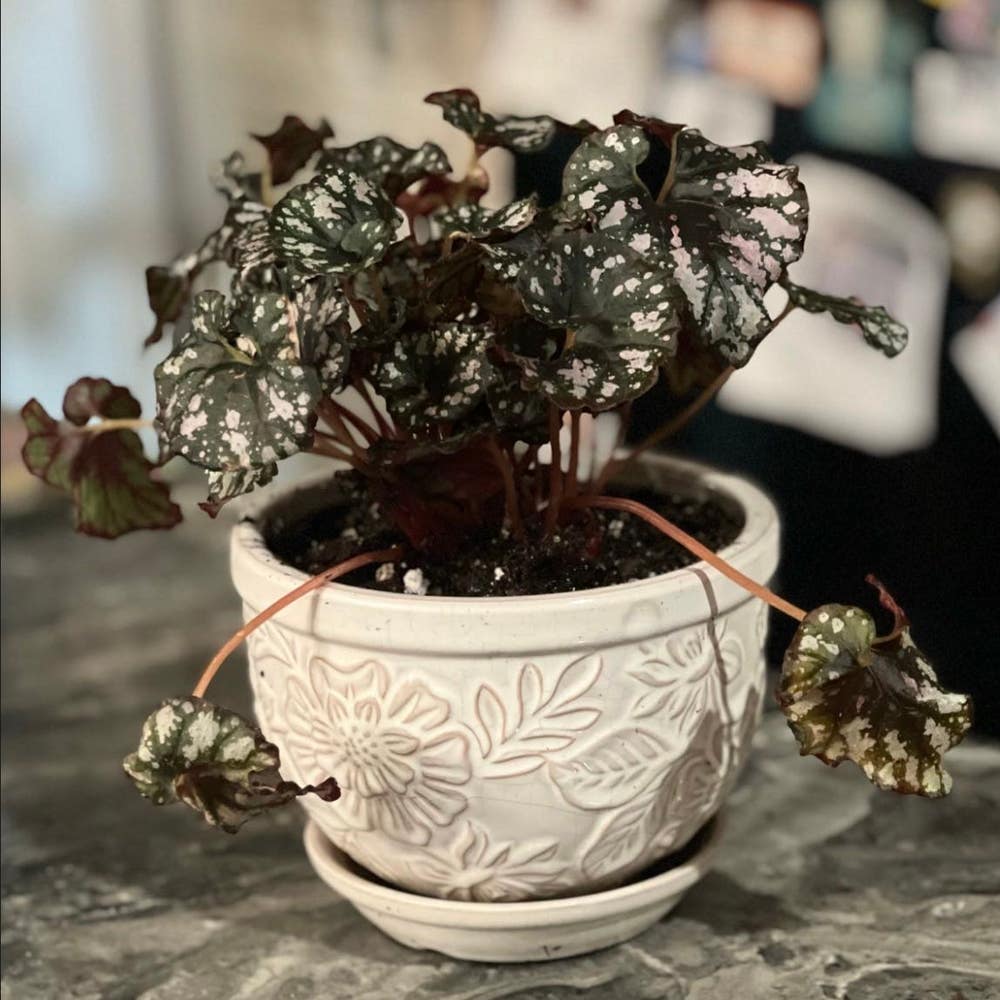
🎨 Managing Black Spots on Your Painted-Leaf Begonia Leaves
Begonia rex
By the Greg Editorial Team
Sep 29, 2024•6 min read
This article was created with the help of AI so we can cover more plants for you. May contain errors. See one? Report it here.
- 🔍 Inspect both leaf surfaces for black spots to diagnose issues effectively.
- 🌞 Maintain bright, indirect light and humidity for optimal Painted-Leaf Begonia health.
- 🐛 Control pests and diseases with natural remedies and regular inspections to prevent black spots.
Diagnosis
How to Examine Leaves for Black Spots 🕵️♀️
To effectively diagnose black spots on your Painted-Leaf Begonia, start by inspecting both the upper and lower surfaces of the leaves. This thorough examination helps identify the extent of the issue.
Next, look for patterns in the spots and assess the overall health of the leaves. Are they wilting or discolored? These signs can indicate a more significant problem.
For a detailed inspection, a magnifying glass is invaluable. If you need to sample any leaves, ensure you have clean scissors on hand to avoid introducing further issues.
Assessing Environmental Factors 🌤️
Light conditions play a crucial role in the health of your Painted-Leaf Begonias. They thrive in bright, indirect light, so be mindful of their placement.
Too much light can scorch the leaves, while too little can lead to weak growth. Watch for signs like leaf curling or fading colors to gauge their light needs.
Humidity and temperature are also vital. Aim for humidity levels between 50-70% and maintain a temperature range of 18°C to 24°C (65°F to 75°F) for optimal growth.
Finally, assess your soil drainage. Well-draining soil is essential to prevent waterlogging, which can lead to root rot and further leaf issues.
Identifying Pests That May Contribute to Leaf Spots 🐞
Pests can significantly impact the health of your Painted-Leaf Begonias. Common culprits include aphids and spider mites, which can cause leaf discoloration and distortion.
Scale insects are another concern, often appearing as small, raised bumps on leaves. Their presence can weaken the plant and contribute to black spots.
For pest control, consider using insecticidal soap or neem oil. These treatments are effective and can help restore your plant's health without harsh chemicals.
By carefully examining your plant and considering these factors, you can effectively diagnose the causes of black spots and take the necessary steps toward treatment.
Treatment Options
Step-by-Step Guide to Treating Black Spots 🌿
Treating black spots on your Painted-Leaf Begonia starts with isolation. This prevents the spread of any potential infection to healthy plants.
Next, remove and dispose of any severely affected leaves. This helps to minimize the risk of further damage.
Adjust your watering practices to prevent overwatering. Overly moist soil can exacerbate fungal issues.
Finally, improve air circulation around the plant. Good airflow helps to keep humidity levels in check and reduces the likelihood of fungal growth.
Recommended Fungicides and Natural Remedies 🧪
When it comes to chemical treatments, several fungicides are effective against common fungal infections. Look for products specifically designed for houseplants and follow application instructions carefully.
Always prioritize safety by wearing gloves and a mask during application. This ensures you protect yourself while treating your plant.
For those who prefer natural remedies, consider a homemade solution of baking soda and water. This mixture can help combat fungal issues without harsh chemicals.
Essential oils, like tea tree oil, also serve as a preventive measure. A few drops mixed with water can keep your plant healthy and vibrant.
Importance of Pruning Affected Leaves ✂️
Pruning is crucial for managing black spots effectively. Use clean, sharp scissors to remove affected leaves, ensuring you don’t introduce more pathogens.
Timing is key; prune during the early morning or late afternoon when temperatures are cooler. This minimizes stress on the plant.
Pruning not only removes the source of infection but also promotes overall plant health. It encourages new growth and reduces the chance of fungal spread.
By following these treatment options, you can help your Painted-Leaf Begonia thrive. Next, let’s explore prevention strategies to keep your plant healthy and vibrant.
Prevention Strategies
Best Practices for Watering Painted-Leaf Begonias 🌧️
Watering your Painted-Leaf Begonias correctly is crucial for their health. Aim to let the soil dry slightly between waterings to prevent root rot.
Before watering, always check the soil moisture levels. Stick your finger about an inch into the soil; if it feels dry, it’s time to water.
Signs of Overwatering:
- Yellowing leaves
- Wilting despite wet soil
- Root rot, which can be fatal
Ideal Humidity and Temperature Conditions 🌡️
Maintaining the right humidity is key for these tropical beauties. Aim for humidity levels between 50% and 70% to keep your begonias thriving.
You can achieve this by using humidity trays or misting the leaves regularly. Just be cautious not to overdo it, as excessive moisture can lead to fungal issues.
Temperature Control Strategies:
- Keep your begonias in a stable environment.
- Avoid drafts and sudden temperature changes to ensure they stay happy.
Soil and Potting Recommendations for Optimal Drainage 🪴
Choosing the right soil is essential for healthy growth. A well-draining potting mix, ideally with perlite or orchid bark, will help prevent waterlogging.
Pot Selection:
- Always opt for pots with drainage holes to allow excess water to escape.
- Consider the size of the pot; it should be appropriate for the root system to promote healthy growth.
By following these prevention strategies, you can significantly reduce the risk of black spots on your Painted-Leaf Begonias. Next, let’s explore ongoing care to keep your plants in top shape.
Ongoing Care
Regular Maintenance Tips to Prevent Black Spots 🌿
Routine inspections are crucial for early detection of black spots on your Painted-Leaf Begonias. Make it a habit to check both the upper and lower leaf surfaces regularly.
Cleaning the leaves not only enhances their appearance but also improves photosynthesis and reduces the risk of disease. A simple wipe with a damp cloth can make a significant difference.
Establishing a fertilization schedule is equally important. Use a balanced fertilizer during the growing season to keep your plants healthy and vibrant.
Monitoring for Signs of Recurrence 👀
Keep a vigilant eye on new growth for any signs of black spots. Early detection can save your plant from further damage.
Documenting changes in plant health over time helps you identify patterns and adjust care practices accordingly. This proactive approach can make all the difference.
Seasonal Care Adjustments for Painted-Leaf Begonias 🍂
Adjusting your care practices with the changing seasons is essential for optimal plant health. In winter, reduce watering and maintain humidity levels to prevent stress.
During summer, increase watering and stay alert for pests. This proactive monitoring ensures your begonias thrive year-round.
By following these ongoing care strategies, you can enjoy the beauty of your Painted-Leaf Begonias while minimizing the risk of black spots. Next, let’s explore effective treatment options if you do encounter issues.
⚠️ Safety First
This content is for general information and may contain errors, omissions, or outdated details. It is not medical, veterinary advice, or an endorsement of therapeutic claims.
Always consult a qualified healthcare professional before using any plant as food, medicine, or supplement.
Never eat any plant (or feed one to pets) without confirming its identity with at least two trusted sources.
If you suspect poisoning, call Poison Control (800) 222-1222, the Pet Poison Helpline (800) 213-6680, or your local emergency service immediately.
Spotted an error? Please report it here.
Keep your Painted-Leaf Begonia spotless 🌿 by using Greg for tailored care tips and reminders that ensure your plant thrives in perfect conditions!