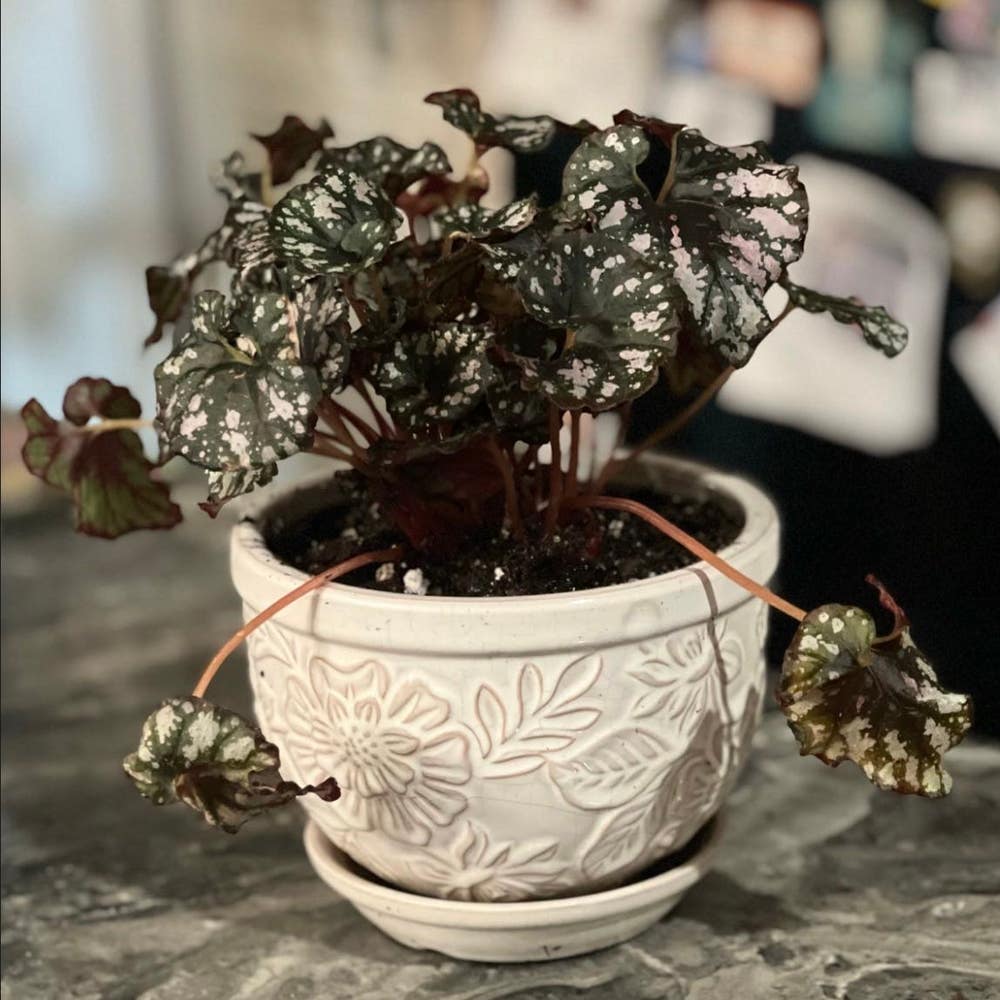
🎨 Ultimate Guide for How to Plant Painted-Leaf Begonia
Begonia rex
By the Greg Editorial Team
Sep 29, 2024•4 min read
This article was created with the help of AI so we can cover more plants for you. May contain errors. See one? Report it here.
- 🌱 Transplanted begonias adapt better and grow faster than newly planted ones.
- 🌞 Optimal planting time is spring or early summer for best results.
- 🏺 Choose the right container: terracotta for breathability, plastic for moisture retention.
Planting vs. Transplanting
Key Considerations 🌱
When deciding between planting new painted-leaf begonias or transplanting established ones, cost is a significant factor. Starting from seeds or young plants can be more expensive than utilizing existing plants you already have.
Time to maturity is another crucial aspect. New plants typically take longer to establish compared to transplanted ones, which are already rooted and ready to thrive.
Adaptability plays a vital role as well. New plants often require acclimatization to their environment, while transplanted begonias are already adapted to their surroundings, making them easier to care for right away.
Understanding these key considerations can help you make an informed choice that suits your gardening goals. Whether you opt for planting or transplanting, each method has its unique benefits and challenges.
Planting New Painted-Leaf Begonia
🌱 Optimal Timing for Planting
The best time to plant your Painted-Leaf Begonia is in spring or early summer. This timing ensures that temperatures are consistently warm, which is crucial for healthy growth.
🪴 Selecting Soil Mix and Containers
For optimal growth, use a well-draining, rich soil with a slightly acidic to neutral pH. Terracotta pots are excellent for breathability, while plastic pots help retain moisture.
📏 Proper Depth and Spacing for Planting
When planting, dig a hole that is 1-2 inches deep, making sure the crown of the plant is above soil level. Space your begonias 12-18 inches apart to promote good air circulation.
☀️ Maintaining Ideal Growing Conditions
Painted-Leaf Begonias thrive in indirect sunlight or partial shade. Keep humidity levels around 50-70% and ensure the soil remains consistently moist but not waterlogged.
🌳 Hardening Off Process
- Gradually expose your plant to outdoor conditions over 7-10 days.
- Start with 1-2 hours of outdoor exposure, increasing the time daily.
- Keep an eye out for signs of stress or shock during this transition.
By following these steps, you'll set your Painted-Leaf Begonia up for success. Next, we’ll explore how to transplant established plants for optimal growth.
Transplanting Established Painted-Leaf Begonia
🌱 Optimal Timing for Transplanting
Transplanting your painted-leaf begonia is best done in early spring or fall. During these times, the plant is not actively growing, making it easier for it to adjust to its new environment.
🛠️ Step-by-Step Instructions for Transplanting
- Water the Plant: A day before transplanting, give your begonia a good drink to reduce stress.
- Remove the Plant: Carefully take the plant out of its current spot, ensuring you preserve the root system.
- Prepare the New Site: Loosen the soil in the new location and mix in some organic matter for added nutrients.
- Planting: Position the begonia in its new home, making sure the crown remains above soil level.
- Fill and Firm: Add soil around the plant and gently firm it to eliminate air pockets.
📏 Space Requirements for Established Plants
When transplanting, ensure you space your begonias at least 12-18 inches apart. This allows for healthy growth and adequate airflow around each plant.
💧 Watering and Mulching Tips for Transplanted Begonia
After transplanting, water the plant thoroughly to help settle the soil around the roots. To maintain moisture and suppress weeds, apply a 1-2 inch layer of organic mulch around the base.
Transplanting can be a rewarding experience, setting your painted-leaf begonia up for success in its new environment. Next, let’s explore how to troubleshoot common issues that may arise during this process.
Troubleshooting Common Issues
Identifying and Addressing Transplant Shock 🌱
Transplant shock can be a real hurdle for your painted-leaf begonia. Symptoms include wilting, yellowing leaves, and stunted growth.
To combat this, ensure proper watering immediately after transplanting. It's also wise to keep your plant out of direct sunlight for a few days to help it acclimate.
Solutions for Establishment Problems 🛠️
If your begonia shows signs of poor establishment, such as slow growth or leaf drop, don’t panic. These issues are often fixable.
Adjust your watering schedule to ensure the soil remains consistently moist but not soggy. Improving soil conditions can also make a significant difference.
Common Pests and Diseases 🐛
Keep an eye out for common pests like aphids, spider mites, and mealybugs. These little nuisances can wreak havoc on your plant's health.
Diseases such as root rot and powdery mildew can also pose threats. Regular inspections and maintaining optimal care conditions are key prevention strategies.
By staying vigilant and proactive, you can ensure your painted-leaf begonia thrives. Next, let’s explore how to maintain those ideal growing conditions for your beautiful plant.
⚠️ Safety First
This content is for general information and may contain errors, omissions, or outdated details. It is not medical, veterinary advice, or an endorsement of therapeutic claims.
Always consult a qualified healthcare professional before using any plant as food, medicine, or supplement.
Never eat any plant (or feed one to pets) without confirming its identity with at least two trusted sources.
If you suspect poisoning, call Poison Control (800) 222-1222, the Pet Poison Helpline (800) 213-6680, or your local emergency service immediately.
Spotted an error? Please report it here.
Planting painted-leaf begonias is a breeze 🌿 with Greg's tailored care reminders and community insights, ensuring your plants flourish in their ideal conditions!