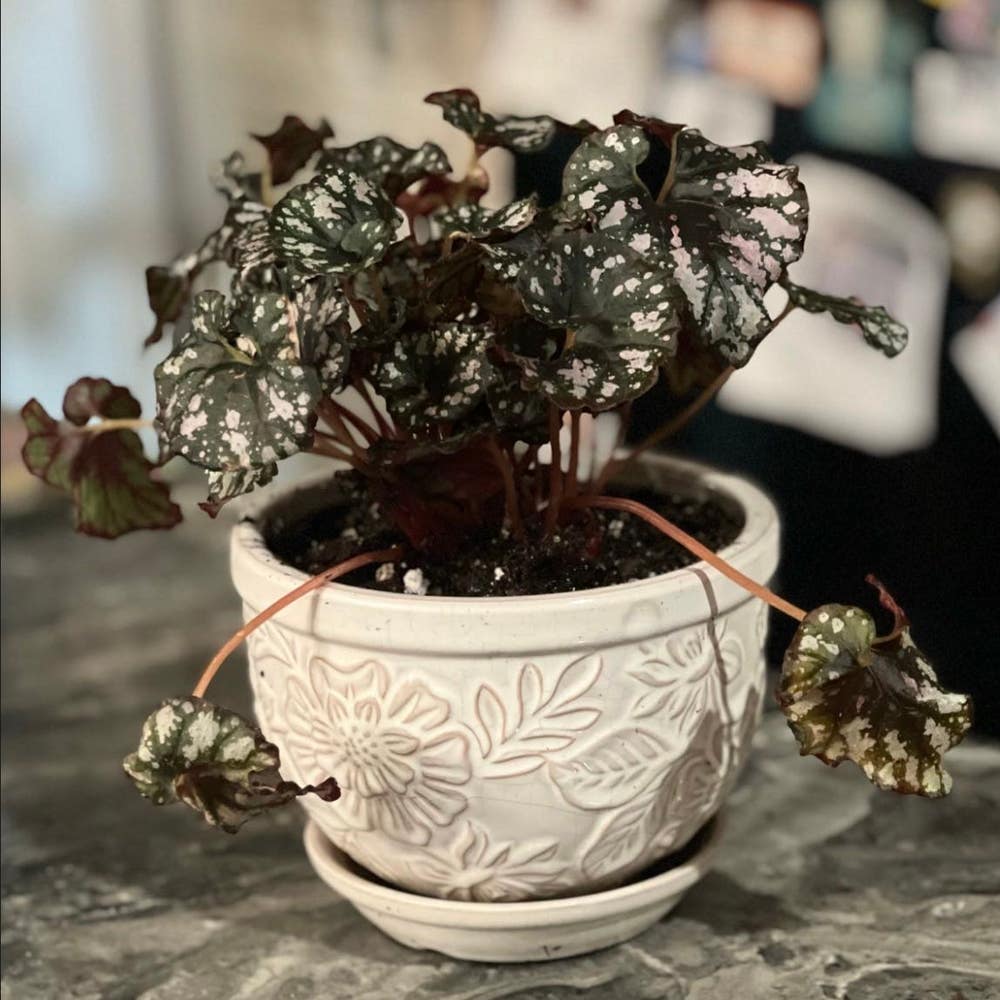
How to Fix Droopy Leaves on Your Painted-Leaf Begonia 😢
Begonia rex
By the Greg Editorial Team
Sep 29, 2024•5 min read
This article was created with the help of AI so we can cover more plants for you. May contain errors. See one? Report it here.
- 💧 Water every 1-2 weeks and check soil moisture to prevent droopy leaves.
- 🌬️ Maintain humidity between 50%-70% to support your begonia's health.
- 🐛 Regularly inspect for pests and diseases to catch issues early.
Diagnosing the Problem
Assessing Watering Habits 💧
Understanding your watering habits is crucial for your painted-leaf begonia's health. Overwatering often shows up as yellowing leaves and mushy stems, while underwatering can lead to crispy leaf edges and drooping leaves.
To keep your plant thriving, aim to water it every 1-2 weeks, adjusting based on environmental conditions. This balance is key to preventing droopiness.
Evaluating Humidity Levels 🌫️
Humidity plays a significant role in your begonia's well-being. The ideal humidity range for these plants is between 50% and 70%.
If you notice leaf curling or browning tips, it might be time to check your humidity levels. You can measure humidity using hygrometers or by observing visual cues in your plant's condition.
Checking for Pests and Diseases 🐛
Pests and diseases can wreak havoc on your painted-leaf begonia. Common culprits include aphids, spider mites, and mealybugs, which can leave sticky residue and webbing on your plant.
Keep an eye out for visible insects and other symptoms of infestations. Additionally, be aware of diseases like fungal infections and root rot, which can also contribute to droopy leaves.
By diagnosing these issues early, you can take the necessary steps to restore your plant's health. Next, let’s explore effective solutions to revive those droopy leaves.
Solutions for Droopy Leaves
🌊 Adjusting Watering Techniques
To revive your painted-leaf begonia, start by adjusting your watering method. Soak the soil thoroughly until water drains from the bottom, ensuring the roots get the moisture they need.
Frequency is key, too. During the summer, you may need to water more often, while in winter, reduce the frequency to prevent overwatering.
💧 Increasing Humidity Around the Plant
Humidity plays a crucial role in the health of your begonia. To boost humidity, consider using a humidifier, placing pebble trays filled with water beneath the pot, or grouping your plants together to create a microclimate.
Companion plants can also help. Ferns and peace lilies are excellent choices for increasing humidity levels around your begonia.
🐛 Treating Pests and Diseases
Pests and diseases can wreak havoc on your plant's health. For pest control, try organic methods like neem oil or insecticidal soap, and don’t hesitate to remove pests manually if necessary.
When it comes to diseases, act quickly. Remove any affected leaves and improve air circulation around the plant to help it recover and thrive.
By implementing these solutions, you can effectively address droopy leaves and ensure your painted-leaf begonia remains vibrant and healthy. Next, let’s explore some preventative measures to keep your plant in top shape.
Preventative Measures
Best Practices for Watering 🌊
To keep your painted-leaf begonia thriving, start with soil moisture checks. Use the finger test or a moisture meter to determine when it's time to water.
Establishing a consistent watering schedule is crucial. Tailor it to your plant's needs, ensuring it receives just the right amount of moisture.
Ideal Humidity and Temperature Conditions 🌡️
Maintaining humidity is essential for your begonia's health. Regular misting and humidity trays can help create a more favorable environment.
Temperature control is equally important. Avoid placing your plant in drafty areas or near heat sources to prevent stress.
Regular Maintenance and Monitoring 🔍
Conduct weekly inspections of your plant. Look for signs of droop, pests, or disease to catch any issues early.
Additionally, set up a fertilizing schedule. Feed your begonia monthly during the growing season with a balanced fertilizer to support its growth.
By implementing these preventative measures, you can create a nurturing environment for your painted-leaf begonia, ensuring it remains vibrant and healthy. Next, let’s explore how seasonal changes can impact your plant's care.
Seasonal Considerations
🌿 Seasonal Changes Affecting Leaf Droop
As the seasons shift, so do the needs of your painted-leaf begonia. In spring and summer, these plants experience increased growth, which means they require more frequent watering to keep their vibrant leaves healthy.
Conversely, fall and winter bring reduced light and cooler temperatures. During these months, you’ll need to adjust your watering frequency to prevent overwatering, as the plant's growth slows down.
❄️ Adjusting Care During Different Seasons
Light is crucial for your begonia's health, especially in winter. Consider moving your plant to a brighter location to ensure it receives adequate sunlight during the shorter days.
Temperature is another factor to monitor closely. Keep your begonia warm by avoiding drafts and placing it away from heat sources, ensuring it thrives even in the colder months.
By adapting your care routine to the changing seasons, you can help your painted-leaf begonia maintain its stunning appearance and vitality. This proactive approach will set the stage for a flourishing plant year-round.
Common Misconceptions
🌿 Myths About Droopy Leaves in Begonias
One common myth is that droopy leaves always mean your painted-leaf begonia is overwatered. While overwatering is a culprit, underwatering can also lead to droopiness, so it's crucial to assess both conditions.
Understanding the signs of each issue can save your plant from unnecessary stress. Always check the soil moisture before jumping to conclusions.
📋 Clarifying Care Requirements for Painted-Leaf Begonia
Humidity plays a vital role in the health of your begonia, and it's not just about aesthetics. A humidity level between 50% and 70% is essential for keeping those vibrant leaves looking their best.
Additionally, proper soil drainage is key to preventing root rot. Ensure your potting mix allows excess water to escape, giving your plant the best chance to thrive.
With these misconceptions cleared up, you can approach your plant care with confidence and clarity. Next, let’s explore preventative measures to keep your painted-leaf begonia healthy and happy.
⚠️ Safety First
This content is for general information and may contain errors, omissions, or outdated details. It is not medical, veterinary advice, or an endorsement of therapeutic claims.
Always consult a qualified healthcare professional before using any plant as food, medicine, or supplement.
Never eat any plant (or feed one to pets) without confirming its identity with at least two trusted sources.
If you suspect poisoning, call Poison Control (800) 222-1222, the Pet Poison Helpline (800) 213-6680, or your local emergency service immediately.
Spotted an error? Please report it here.
Keep your painted-leaf begonia perky and vibrant 🌿 by using Greg's tailored care reminders to balance watering and humidity while staying ahead of pests and diseases!