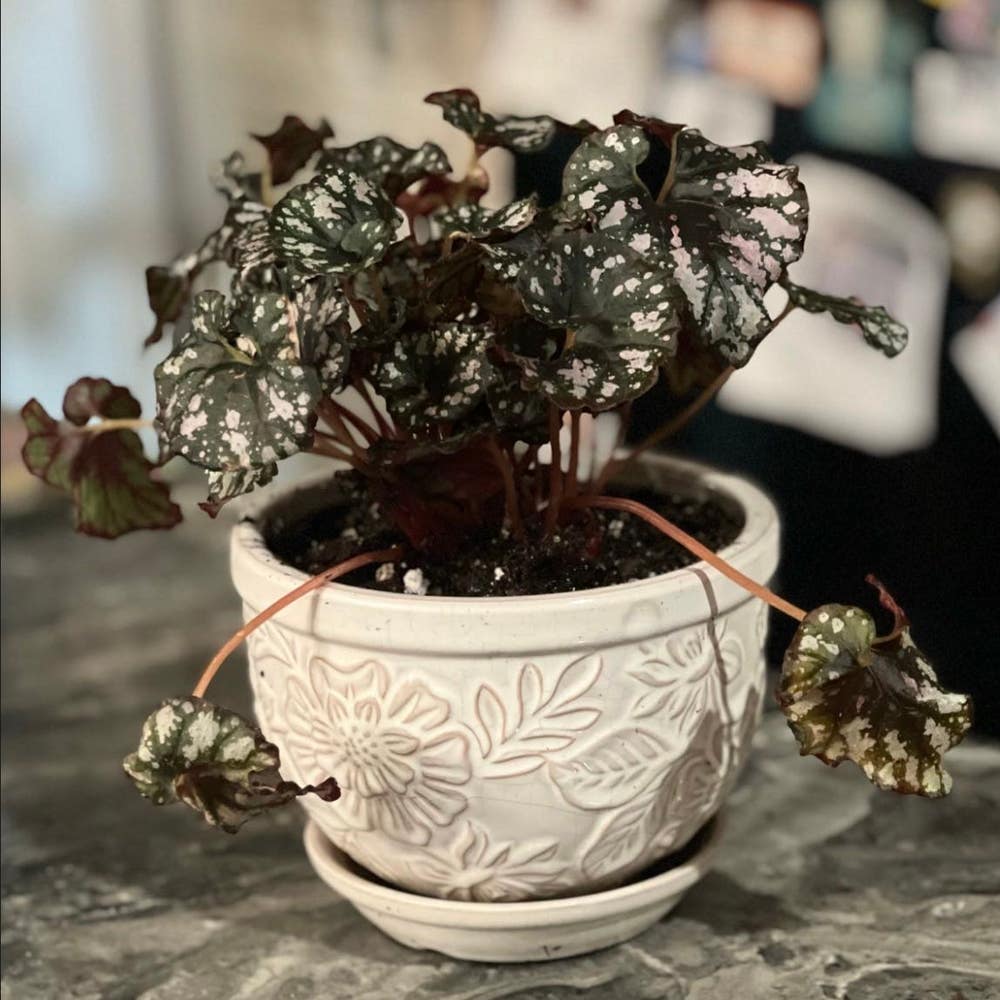
🎨 Top 5 Tips for Choosing Painted-Leaf Begonia Soil
Begonia rex
By the Greg Editorial Team
Sep 29, 2024•7 min read
This article was created with the help of AI so we can cover more plants for you. May contain errors. See one? Report it here.
- 🌱 Recognizing unhealthy soil is crucial; look for mold, compaction, and poor drainage.
- 🔍 Test soil health at home with visual inspections and moisture tests for optimal growth.
- 🏡 Homemade soil mix with peat moss, perlite, and vermiculite ensures aeration and drainage.
Identifying Unhealthy Soil
🚩 Signs of unhealthy soil
Recognizing unhealthy soil is crucial for the health of your Painted-Leaf Begonia. Look out for moldy soil, which often appears fuzzy or discolored, indicating excess moisture and poor air circulation.
Compaction is another red flag. If the soil feels hard and dense, it can hinder root growth and water absorption, ultimately affecting your plant's vitality.
Poor drainage is a common issue, too. Symptoms include water pooling on the surface or a soggy texture, which can lead to root rot if not addressed promptly.
🧪 How to test soil health
Testing soil health is straightforward and can be done at home. Start with a visual inspection; check for mold, pests, and signs of compaction.
Next, perform a moisture test by squeezing a handful of soil. If it crumbles easily, it’s too dry; if it forms a ball, it may be too wet.
Lastly, consider pH testing. Use pH meters or test kits to ensure your soil falls within the ideal range for optimal plant growth.
🛠️ Solutions for unhealthy soil
If you identify unhealthy soil, don’t worry—there are effective solutions. For moldy soil, remove the top layer and treat the remaining soil with a fungicide or a mixture of water and hydrogen peroxide.
To aerate compacted soil, use a garden fork or aerator tool to create small holes, allowing air and water to penetrate more effectively.
Finally, if the soil remains problematic, it might be time to replace or amend it. Refreshing the potting mix can rejuvenate your plant's environment, providing a fresh start for healthy growth.
With these strategies, you can ensure your Painted-Leaf Begonia thrives in a healthy soil environment. Next, let’s explore the ideal soil pH for optimal growth.
Ideal Soil pH
Recommended pH range for optimal growth 🌱
For Painted-Leaf Begonias, the ideal soil pH ranges from 5.5 to 7.0. This specific range ensures that nutrients are readily available, promoting robust plant health and vibrant foliage.
When the pH strays too far from this range, nutrient absorption can be hindered. This can lead to deficiencies, affecting the overall vitality of your plant.
How to test soil pH 🔬
Testing your soil pH is straightforward and can be done using pH test kits. Start by following the instructions provided with your kit, which typically involves mixing soil with distilled water and adding the testing solution.
Once you have your results, interpreting them is key. A pH below 5.5 indicates acidity, while a pH above 7.0 signifies alkalinity, both of which require adjustments for optimal growth.
Adjusting soil pH ⚖️
If your soil pH is too low, you can lower it using sulfur, peat moss, or organic matter. These amendments help create a more acidic environment, which is beneficial for your Painted-Leaf Begonia.
Conversely, if the pH is too high, consider adding lime or alkaline amendments. These will help raise the pH, making nutrients more accessible.
For effective pH adjustment, look for recommended products specifically designed for soil amendment. They can make the process easier and more efficient, ensuring your plant thrives.
With the right pH balance, your Painted-Leaf Begonia will flourish, setting the stage for the next step: creating a homemade soil mix tailored to its needs.
Creating a Homemade Soil Mix
Ingredients for a Suitable Soil Mix 🌱
Creating the perfect soil mix for your Painted-Leaf Begonia starts with the right ingredients. The base components should include peat moss, perlite, and vermiculite, which together provide excellent aeration and drainage.
Adding organic matter like compost and well-rotted leaf mold enriches the soil with nutrients. For those looking to enhance moisture retention, consider incorporating coconut coir as an optional additive.
Step-by-Step Guide to Mixing Soil 🛠️
Gather Materials: Start by collecting all necessary ingredients. This includes peat moss, perlite, vermiculite, compost, and coconut coir if desired.
Mixing Ratios: Aim for a recommended ratio of 2 parts peat moss, 1 part perlite, and 1 part vermiculite. Adjust based on your specific plant needs.
Combining Ingredients: Use a large container or wheelbarrow to combine the ingredients thoroughly. Ensure uniform distribution for consistent texture and nutrient availability.
Benefits of Homemade Soil 💰
Homemade soil offers a level of customization that commercial mixes simply can't match. You can tailor your mix to meet the specific needs of your Painted-Leaf Begonia, ensuring optimal growth.
Additionally, creating your own soil is cost-effective. It often saves you money compared to buying pre-packaged mixes. Plus, the enhanced nutrient content from organic matter can lead to healthier plants and vibrant foliage.
With your homemade soil mix ready, you’re well-equipped to provide the ideal environment for your Painted-Leaf Begonia. Next, let’s explore soil amendments and enhancements to further boost your plant's health.
Soil Amendments and Enhancements
🌱 Common Amendments for Improving Soil Quality
To boost your Painted-Leaf Begonia's health, consider using soil amendments.
Organic options like compost, worm castings, and bone meal enrich the soil with nutrients. They improve microbial activity, which is essential for plant growth.
On the other hand, inorganic options such as perlite, sand, and pumice enhance drainage and aeration. These materials help prevent soil compaction, allowing roots to breathe and thrive.
🛠️ How to Incorporate Amendments into Soil
Incorporating amendments into your soil can be straightforward.
Mixing techniques involve evenly distributing the amendments throughout the existing soil. This ensures that nutrients are accessible to the roots.
Timing is crucial; the best times to add amendments are during repotting or when you notice signs of nutrient deficiency. Regularly check your soil to determine when it needs a boost.
⚖️ Benefits of Organic vs. Inorganic Amendments
Understanding the differences between organic and inorganic amendments can guide your choices.
Nutrient release rates vary significantly. Organic amendments release nutrients slowly, providing a steady supply over time. In contrast, inorganic options often deliver nutrients quickly but may require more frequent applications.
When it comes to soil structure improvement, organic amendments shine. They enhance soil texture and moisture retention, leading to healthier root systems in the long run.
Incorporating the right amendments can transform your soil, setting the stage for vibrant, thriving Painted-Leaf Begonias.
Next, let’s explore how to maintain soil health for ongoing plant success.
Maintaining Soil Health
🌱 Best Practices for Soil Care
Regular inspection of your Painted-Leaf Begonia's soil is crucial. Look for signs of distress, such as discoloration or unusual odors, which can indicate underlying issues.
Watering techniques also play a significant role in soil health. Avoid overwatering, as this can lead to root rot, and ensure proper drainage to keep the soil aerated.
🍂 Seasonal Considerations for Soil Maintenance
Adjusting care based on seasonal changes is essential for optimal plant health. Temperature and humidity fluctuations can affect soil moisture levels, so be vigilant during these transitions.
Refreshing soil is another key aspect of maintenance. Knowing when and how to repot or refresh your soil mix can rejuvenate your plant and promote growth.
🌿 Tips for Repotting and Refreshing Soil
Timing for repotting is critical. Look for indicators such as root crowding or slowed growth, which signal that your plant may need more space.
When repotting, use techniques that minimize root disturbance. Gently loosen the root ball and avoid excessive handling to keep your plant healthy.
If repotting isn't necessary, consider refreshing soil through top-dressing methods. This adds nutrients without the stress of a full repot, benefiting your plant in the long run.
By following these practices, you can maintain vibrant soil health for your Painted-Leaf Begonia, ensuring it thrives in your care. Next, let’s explore the ideal soil pH for optimal growth.
⚠️ Safety First
This content is for general information and may contain errors, omissions, or outdated details. It is not medical, veterinary advice, or an endorsement of therapeutic claims.
Always consult a qualified healthcare professional before using any plant as food, medicine, or supplement.
Never eat any plant (or feed one to pets) without confirming its identity with at least two trusted sources.
If you suspect poisoning, call Poison Control (800) 222-1222, the Pet Poison Helpline (800) 213-6680, or your local emergency service immediately.
Spotted an error? Please report it here.
Ensure your Painted-Leaf Begonia flourishes with tailored soil care tips 🌿 from Greg, helping you create the perfect mix for vibrant growth and health!