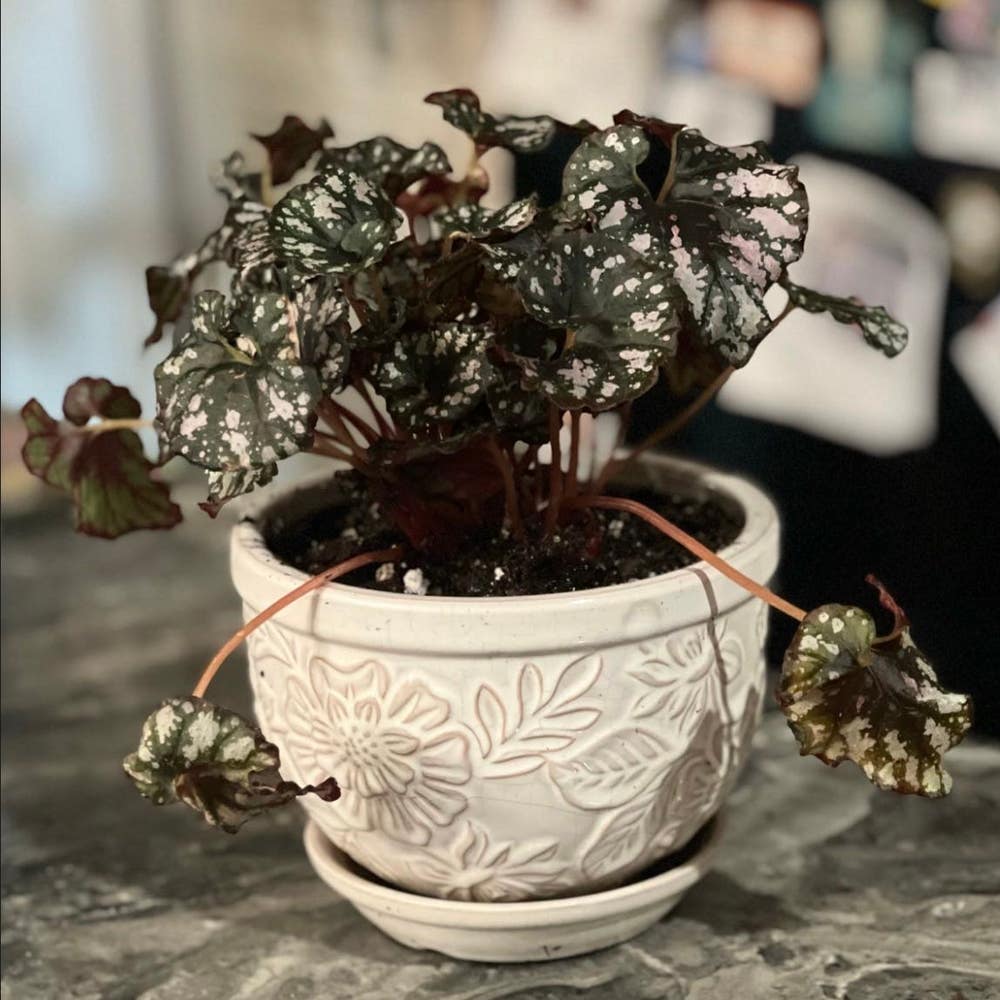
🌸 Top 6 Signs Your Painted-Leaf Begonia Needs Pollination
Begonia rex
By the Greg Editorial Team
Sep 29, 2024•6 min read
This article was created with the help of AI so we can cover more plants for you. May contain errors. See one? Report it here.
- 🌼 Painted-Leaf Begonias attract bees and butterflies with their vibrant, bell-shaped flowers.
- 🤝 Hand pollination boosts seed formation when natural pollinators are scarce.
- 🌍 Creating a pollinator-friendly garden enhances the health and diversity of your begonias.
Flower Structure
Description of Characteristics 🌸
The Painted-Leaf Begonia boasts stunning, bell-shaped flowers that exude a delicate charm. These blooms come in a variety of colors, including white, pink, and red, often adorned with intricate patterns that catch the eye.
Flowers typically grow in clusters, making them highly visible to pollinators. This arrangement not only enhances their beauty but also increases the likelihood of attracting the right visitors.
Role in Pollination 🐝
The structure of these flowers plays a crucial role in self-pollination. The close proximity of stamens and pistils allows pollen to transfer easily within the same flower, ensuring reproduction even in the absence of external pollinators.
However, the Painted-Leaf Begonia also benefits from cross-pollination. The vibrant colors and clustered arrangement attract various pollinators, promoting genetic diversity and healthier plant populations.
Understanding these characteristics can help you appreciate the intricate relationships between plants and their pollinators. This knowledge sets the stage for exploring the pollination process in more detail.
Pollination Process
Self-Pollination 🌼
The Painted-Leaf Begonia has a fascinating ability to self-pollinate. This occurs through the natural movement of pollen within the flower, where the close proximity of stamens and pistils allows for efficient pollen transfer.
While self-pollination is effective, exploring additional pollination methods can enhance plant health. Engaging with external pollinators can lead to more robust seed production and genetic diversity.
Primary Pollinators 🐝
Key pollinators for the Painted-Leaf Begonia include bees, butterflies, and hummingbirds. These species are naturally drawn to the flower's vibrant colors and sweet nectar.
During the pollination process, these pollinators interact with the begonia by transferring pollen as they move from flower to flower. This not only aids in reproduction but also enriches the genetic pool of the plant, promoting resilience and adaptability.
As we delve deeper into the world of pollination, understanding natural mechanisms and the role of pollinators sets the stage for exploring hand pollination techniques.
Natural Pollination
🌬️ Pollen Transfer Mechanisms
Pollination in Painted-Leaf Begonias occurs through two primary mechanisms: wind and insect activity. Wind can carry pollen from the male parts of the flower to the female parts, but insects play a crucial role in this process.
Insects, especially bees and butterflies, are attracted to the vibrant colors and sweet scents of the flowers. As they visit, they inadvertently transfer pollen, ensuring the continuation of the plant's life cycle.
🌼 Importance of Pollination
Pollination is vital for the reproduction of Painted-Leaf Begonias. Successful pollination leads to the formation of seeds, which are essential for the next generation of plants.
Moreover, cross-pollination enhances genetic diversity within the species. This diversity not only strengthens the population but also increases resilience against diseases and environmental changes.
Understanding these processes highlights the interconnectedness of nature and the importance of protecting our pollinators. As we explore further, we’ll delve into hand pollination techniques that can support these beautiful plants.
Hand Pollination Techniques
Hand pollination can be a rewarding way to ensure your Painted-Leaf Begonia thrives. Here’s a straightforward guide to help you through the process.
🌱 Step-by-Step Instructions
1. Identifying Male and Female Parts
First, locate the male parts of the flower, which are the stamens filled with pollen. Next, identify the female part, known as the pistil, which is crucial for fertilization.
2. Collecting Pollen
Using a small brush or a cotton swab, gently gather pollen from the stamens. This step is essential for transferring the pollen effectively.
3. Transferring Pollen
Now, apply the collected pollen to the stigma of the female flower. Be gentle to avoid damaging the delicate flower structure.
4. Timing for Successful Fertilization
For the best results, perform this process in the morning when the flowers are fully open. This timing maximizes the chances of successful fertilization.
Hand pollination not only boosts your plant's reproductive success but also deepens your connection with your garden. Next, let’s explore how to support pollinators in your environment for even better results.
Supporting Pollinators
🌼 Creating a Pollinator-Friendly Environment
To attract a variety of pollinators, plant diversity is key. Incorporating different flowering plants not only beautifies your garden but also invites bees, butterflies, and hummingbirds.
Additionally, providing shallow water sources is essential. Simple dishes filled with water can serve as hydration stations for thirsty pollinators, ensuring they have what they need to thrive.
🌱 Companion Plants
Choosing the right companion plants can significantly enhance your garden's pollinator appeal. For instance, lavender is a magnet for bees, while marigolds attract various beneficial insects.
These plants not only support pollinators but also contribute to a vibrant ecosystem. By integrating them into your garden, you create a welcoming environment for these crucial species.
Incorporating these strategies will help ensure your Painted-Leaf Begonia and other plants receive the pollination they need. Next, let’s explore some common challenges to pollination and how to overcome them.
Pollination Challenges
Common Obstacles 🐝
Pollination can be a tricky business for your Painted-Leaf Begonia. Environmental factors like temperature and humidity play a significant role in determining whether pollination will be successful.
High temperatures can cause flowers to wilt, while excessive humidity may lead to fungal issues. Both conditions can deter pollinators and hinder the pollination process.
Another pressing concern is the decline in pollinator populations. Bees, butterflies, and hummingbirds are essential for cross-pollination, and their dwindling numbers can severely impact your plant's reproductive success.
Solutions 🌼
To combat these challenges, consider making some environmental adjustments. Ensure your Begonia is planted in a spot that offers the right balance of sunlight and shade, as well as adequate moisture.
Creating a pollinator-friendly environment is crucial. Planting a diverse range of flowering plants can attract various pollinators, boosting their presence in your garden.
Additionally, providing shallow water sources can help keep pollinators hydrated. Simple dishes filled with water can make a big difference.
You can also enhance pollinator presence by planting native species. These plants are often more attractive to local pollinators and can thrive in your garden's specific conditions.
Avoiding pesticides is another essential strategy. Chemicals can harm beneficial insects, so opt for organic solutions whenever possible.
By addressing these challenges, you can create a thriving ecosystem that supports your Painted-Leaf Begonia and its pollinators.
Next, let’s explore hand pollination techniques to ensure your Begonia gets the attention it needs!
⚠️ Safety First
This content is for general information and may contain errors, omissions, or outdated details. It is not medical, veterinary advice, or an endorsement of therapeutic claims.
Always consult a qualified healthcare professional before using any plant as food, medicine, or supplement.
Never eat any plant (or feed one to pets) without confirming its identity with at least two trusted sources.
If you suspect poisoning, call Poison Control (800) 222-1222, the Pet Poison Helpline (800) 213-6680, or your local emergency service immediately.
Spotted an error? Please report it here.
Boost your Painted-Leaf Begonia's pollination success 🌱 with Greg's personalized care tips and reminders, ensuring a vibrant garden filled with thriving plants and happy pollinators!