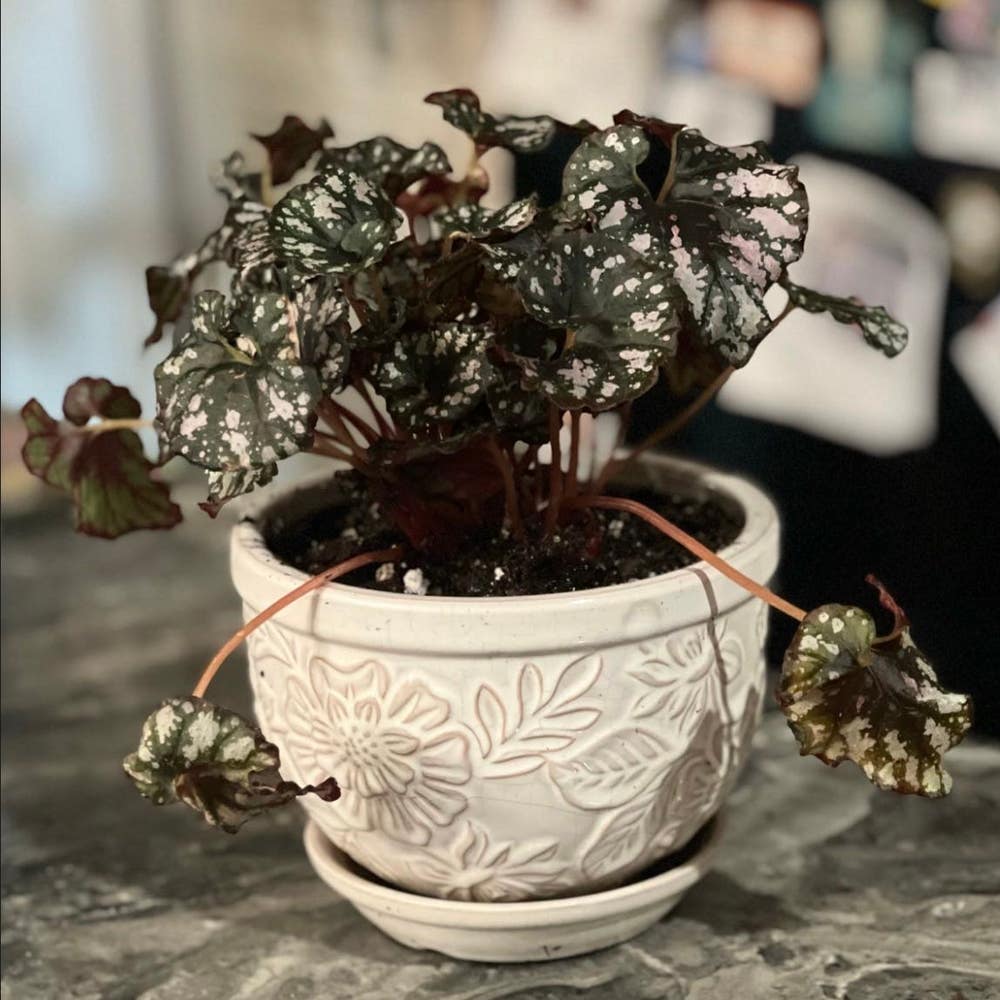
🎨 4 Winter Care Mistakes to Avoid with Painted-Leaf Begonia
Begonia rex
By the Greg Editorial Team
Sep 29, 2024•4 min read
This article was created with the help of AI so we can cover more plants for you. May contain errors. See one? Report it here.
- 💧 Avoid overwatering during dormancy to prevent root rot and yellow leaves.
- ❄️ Protect from frost using cloths; they aren't as frost-resistant as you think.
- 🌬️ Maintain humidity between 50-70% to prevent leaf curling and browning edges.
Common Winter Care Mistakes
Overwatering during dormancy 🌊
Overwatering is a common mistake that can spell disaster for your Painted-Leaf Begonia during its dormant phase. Look out for yellowing leaves and mushy stems, which are clear signs that your plant is drowning.
Adjusting your watering schedule is crucial. During dormancy, reduce the frequency to prevent root rot and ensure your begonia stays healthy.
Insufficient frost protection ❄️
Frost exposure poses significant risks, including leaf damage and stunted growth. Many believe Painted-Leaf Begonias can withstand colder temperatures, but this misconception can lead to serious harm.
To protect your plant, consider using frost cloths or blankets when temperatures drop. This simple step can save your begonia from winter's harshness.
Neglecting humidity levels 💧
Humidity is vital for your begonia's well-being, especially in winter. Aim for a humidity range of 50-70% to keep your plant thriving.
Signs of low humidity include leaf curling and browning edges. Maintaining adequate humidity during the winter months is essential for optimal health.
Incorrect fertilization practices 🚫
Fertilization can be tricky during winter. Over-fertilizing or applying nutrients too late in the season can stress your begonia.
It's best to minimize or even skip fertilization during dormancy. This approach allows your plant to conserve energy and prepare for the growth spurt in spring.
Transitioning to the next section, understanding these common mistakes sets the stage for adjusting your care practices effectively during winter.
Adjusting Care for Winter
🌊 Modifying watering schedules
During the winter dormancy of your Painted-Leaf Begonia, it's crucial to adjust your watering frequency. Aim to water every 2-3 weeks, allowing the soil to dry out between waterings.
Keep an eye on soil moisture levels and the plant's appearance. Yellowing leaves or a droopy look can signal that your plant needs more water, while overly wet soil can lead to root rot.
🥦 Fertilizing guidelines for winter
When it comes to fertilization during winter, less is more. Opt for low-nitrogen, slow-release fertilizers to avoid stressing your plant.
Timing is key; wait until early spring to fertilize as growth resumes. This approach helps your begonia thrive when it’s ready to wake up from dormancy.
🏠 Indoor care tips for Painted-Leaf Begonia
For indoor care, maintain a cozy temperature between 65°F to 75°F (18°C to 24°C). This range keeps your begonia happy and healthy during the colder months.
Avoid placing your plant near drafts or heat sources, as these can cause stress. Instead, choose a spot with bright, indirect light to promote optimal growth.
By adjusting your care routine, you can ensure your Painted-Leaf Begonia remains vibrant and ready for spring. Next, let’s explore how to protect your plant from frost.
Protection from Frost
🌨️ Best Practices for Outdoor Protection
When winter hits, protecting your Painted-Leaf Begonia from frost is crucial. Start by covering your plants with frost cloths or blankets, which act as a barrier against cold air.
Mulching is another effective strategy. A layer of mulch can insulate the soil, helping to retain warmth and protect the roots from freezing temperatures.
If temperatures drop below 50°F (10°C), consider bringing your potted begonias indoors. This simple step can save your plants from frost damage and ensure they thrive.
❄️ Signs of Frost Damage and Recovery
Frost damage can manifest in several ways. Look for symptoms like wilting, discoloration, and leaf drop, which indicate your plant is struggling.
If you notice these signs, don’t despair. Start by pruning any damaged leaves to promote new growth and adjust your care routine to help your begonia recover.
With the right protection and care, your Painted-Leaf Begonia can bounce back beautifully, ready to flourish in the warmer months ahead.
Spring Preparation and Recovery
🌨️ Signs of Winter Damage to Look For
As winter fades, it's crucial to assess your Painted-Leaf Begonia for signs of stress. Look for yellowing leaves and stunted growth, which indicate that your plant may have suffered during the colder months.
If you suspect damage, a root inspection can provide valuable insights into the overall health of your begonia. Healthy roots should be firm and white, while mushy or dark roots signal trouble.
🌱 Steps for Rejuvenating Painted-Leaf Begonia in Spring
Pruning: Start by removing any dead or damaged leaves. This encourages new growth and helps the plant focus its energy on healthy foliage.
Reassessing Watering: Gradually increase your watering frequency as temperatures rise. Monitor the soil moisture and adjust accordingly to avoid overwatering.
Fertilizing: Begin with a diluted fertilizer to give your plant a gentle boost. This will support its recovery without overwhelming it after dormancy.
🔄 Transitioning Back to Regular Care
Reintroduce your begonia to its regular light and watering schedules gradually. This helps the plant acclimate without shock.
Keep an eye out for new growth, as this is a positive sign of recovery and health. With the right care, your Painted-Leaf Begonia will thrive as spring unfolds.
⚠️ Safety First
This content is for general information and may contain errors, omissions, or outdated details. It is not medical, veterinary advice, or an endorsement of therapeutic claims.
Always consult a qualified healthcare professional before using any plant as food, medicine, or supplement.
Never eat any plant (or feed one to pets) without confirming its identity with at least two trusted sources.
If you suspect poisoning, call Poison Control (800) 222-1222, the Pet Poison Helpline (800) 213-6680, or your local emergency service immediately.
Spotted an error? Please report it here.
Keep your Painted-Leaf Begonia thriving this winter ❄️ by using Greg for personalized care tips and reminders that prevent overwatering and frost damage!