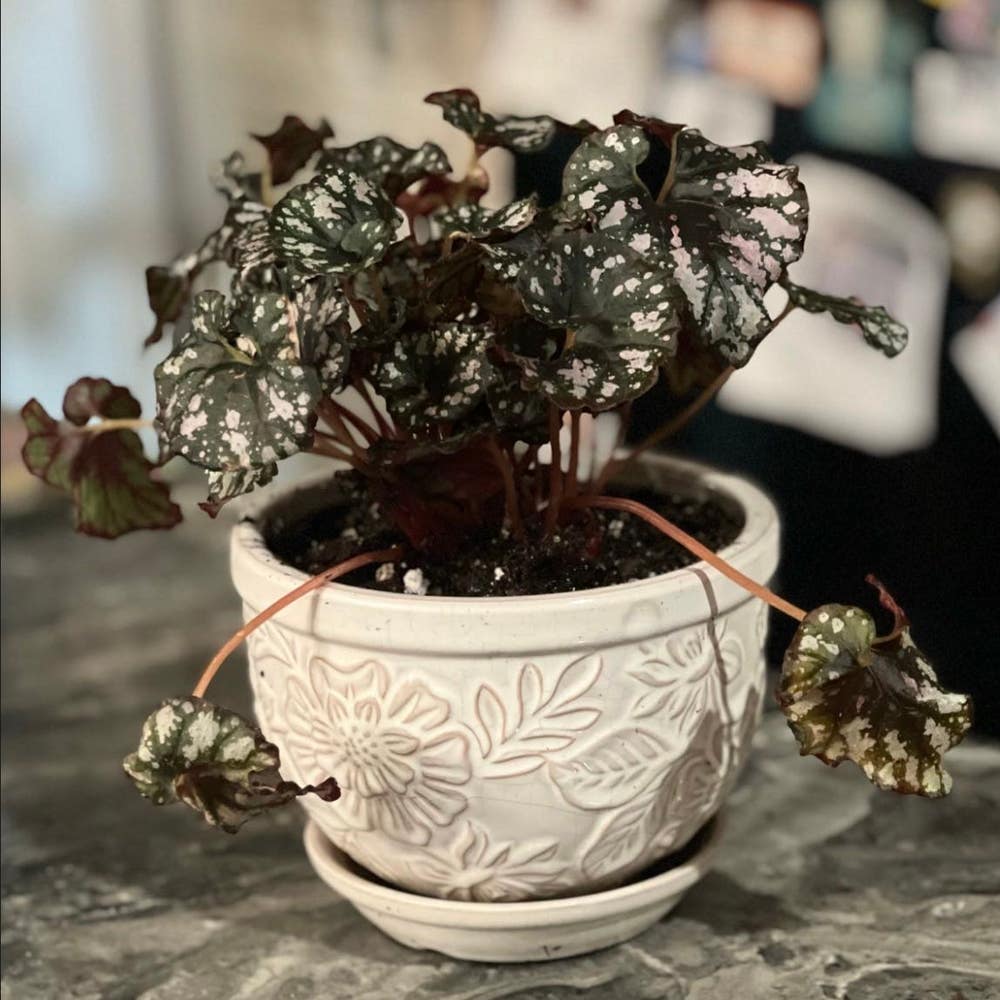
What to Do if Your Painted-Leaf Begonia Won't Flower 🌸
Begonia rex
By the Greg Editorial Team
Sep 29, 2024•5 min read
This article was created with the help of AI so we can cover more plants for you. May contain errors. See one? Report it here.
- 🌞 Insufficient light is a key reason your Painted-Leaf Begonia won't flower.
- 💧 Proper watering is crucial; both over and underwatering disrupt blooming cycles.
- 🌱 Nutrient deficiencies, especially phosphorus, hinder flower development in begonias.
Failure to Bloom
When your Painted-Leaf Begonia refuses to flower, it can be frustrating. Understanding the causes and solutions can help you get your plant back on track.
🌑 Causes
Insufficient Light
One of the primary reasons your begonia might not bloom is insufficient light. These plants thrive in bright, indirect sunlight; without it, flowering can be stunted.
Improper Watering
Watering issues can also play a significant role. Overwatering or underwatering stresses the plant, disrupting its natural bloom cycle.
Nutrient Deficiencies
Nutrient deficiencies, particularly in phosphorus and potassium, can hinder flower development. Without these essential nutrients, your begonia may struggle to produce blooms.
💡 Solutions
Adjusting Light Exposure
To encourage flowering, position your begonia in a spot with bright, indirect sunlight for at least six hours daily. This simple adjustment can make a world of difference.
Proper Watering Techniques
Water your plant when the top inch of soil feels dry. Ensure good drainage to prevent root rot, which can be detrimental to blooming.
Fertilization Tips
Using a balanced fertilizer high in phosphorus during the growing season can promote blooming. This targeted approach helps ensure your plant gets the nutrients it needs to thrive.
By addressing these common issues, you can help your Painted-Leaf Begonia flourish and enjoy its beautiful blooms. Next, let’s explore what to do if your plant experiences premature flower drop.
Premature Flower Drop
🌪️ Causes
Environmental Stress
Sudden changes in humidity or temperature can shock your Painted-Leaf Begonia, leading to bud drop. Keeping a stable environment is crucial for its well-being.
Overwatering
Excess moisture can stress the roots, causing them to struggle and ultimately leading to flower drop. It's essential to monitor your watering habits closely.
Temperature Fluctuations
Rapid changes in temperature can shock the plant, prompting it to drop its buds. Consistency is key to keeping your begonia thriving.
🛠️ Solutions
Stabilizing Environment
Aim to maintain humidity levels between 50-70% and avoid drafts. A stable environment helps your plant feel secure and encourages blooming.
Adjusting Watering Schedule
Allow the soil to dry slightly between waterings to prevent overwatering. This simple adjustment can make a significant difference in your plant's health.
Maintaining Consistent Temperature
Keep your begonia in a stable environment, ideally between 18°C to 24°C (65°F to 75°F). This temperature range supports optimal growth and flowering.
By addressing these causes and implementing the suggested solutions, you can help your Painted-Leaf Begonia flourish and reduce the chances of premature flower drop. Next, let’s explore how light impacts flowering and what you can do to optimize it.
Abnormal Flower Development
🐛 Causes
Pest Infestations
Pests like aphids and spider mites can wreak havoc on your Painted-Leaf Begonia. They damage buds and flowers, leading to abnormal development and reduced blooming.
Disease
Fungal or bacterial infections can also be culprits. These diseases can cause flowers to become malformed or even drop prematurely.
Genetic Factors
Some varieties of Painted-Leaf Begonias may have inherent flowering issues. Understanding these genetic traits can help you manage expectations and care strategies.
🛠️ Solutions
Pest Control Methods
To tackle pest infestations, consider using insecticidal soap or neem oil. These treatments are effective and can help restore your plant's health without harsh chemicals.
Disease Management
If you notice signs of disease, promptly remove affected parts of the plant. Ensuring good air circulation around your begonia can also prevent the spread of infections.
Understanding Genetic Variations
Researching specific varieties of Painted-Leaf Begonias can provide insights into their unique flowering behaviors. This knowledge can guide your care routine and help you set realistic goals for blooming.
By addressing these factors, you can enhance your plant's chances of producing beautiful flowers. Next, let’s explore how light conditions impact flowering in your Painted-Leaf Begonia.
Impact of Light on Flowering
Optimal Light Conditions 🌞
Indirect sunlight is crucial for your Painted-Leaf Begonia. It not only promotes healthy growth but also encourages vibrant blooming.
However, finding the right balance is key. Too much direct sunlight can scorch those beautiful leaves, while insufficient light can stifle flowering altogether.
Adjusting Light Exposure 🔄
Repositioning your plant can make a world of difference. Regularly rotate it to ensure even light distribution, helping all sides receive adequate exposure.
If natural light is lacking, consider using LED grow lights. They can effectively supplement your plant's needs, especially during those darker months.
By optimizing light conditions, you set the stage for a flourishing begonia that dazzles with blooms. Now, let’s explore how nutritional factors play a pivotal role in flowering.
Nutritional Factors Affecting Flowering
🌱 Essential Nutrients for Flowering
To thrive and bloom, your Painted-Leaf Begonia needs key nutrients, particularly phosphorus and potassium. These elements are crucial for flower production and overall plant vitality.
Signs of nutrient deficiencies can be quite telling. Look out for yellowing leaves, stunted growth, and, of course, a lack of blooms. If you notice these symptoms, it’s time to reassess your plant's nutrition.
📅 Fertilization Schedule
When it comes to fertilizing during the bloom cycle, consistency is key. Aim to fertilize every 4-6 weeks with a bloom-boosting fertilizer to keep your plant energized.
Choosing the right fertilizer is equally important. Look for options with a higher middle number in the NPK ratio, which indicates a greater phosphorus content. This will help ensure your Painted-Leaf Begonia gets the nutrients it needs to flourish.
By focusing on these nutritional factors, you can significantly enhance your plant's chances of blooming beautifully. Next, let’s explore how light conditions can further impact flowering.
⚠️ Safety First
This content is for general information and may contain errors, omissions, or outdated details. It is not medical, veterinary advice, or an endorsement of therapeutic claims.
Always consult a qualified healthcare professional before using any plant as food, medicine, or supplement.
Never eat any plant (or feed one to pets) without confirming its identity with at least two trusted sources.
If you suspect poisoning, call Poison Control (800) 222-1222, the Pet Poison Helpline (800) 213-6680, or your local emergency service immediately.
Spotted an error? Please report it here.
Unlock your Painted-Leaf Begonia's blooming potential 🌸 by using Greg's tailored watering and fertilizing reminders to keep your plant thriving in the ideal conditions!