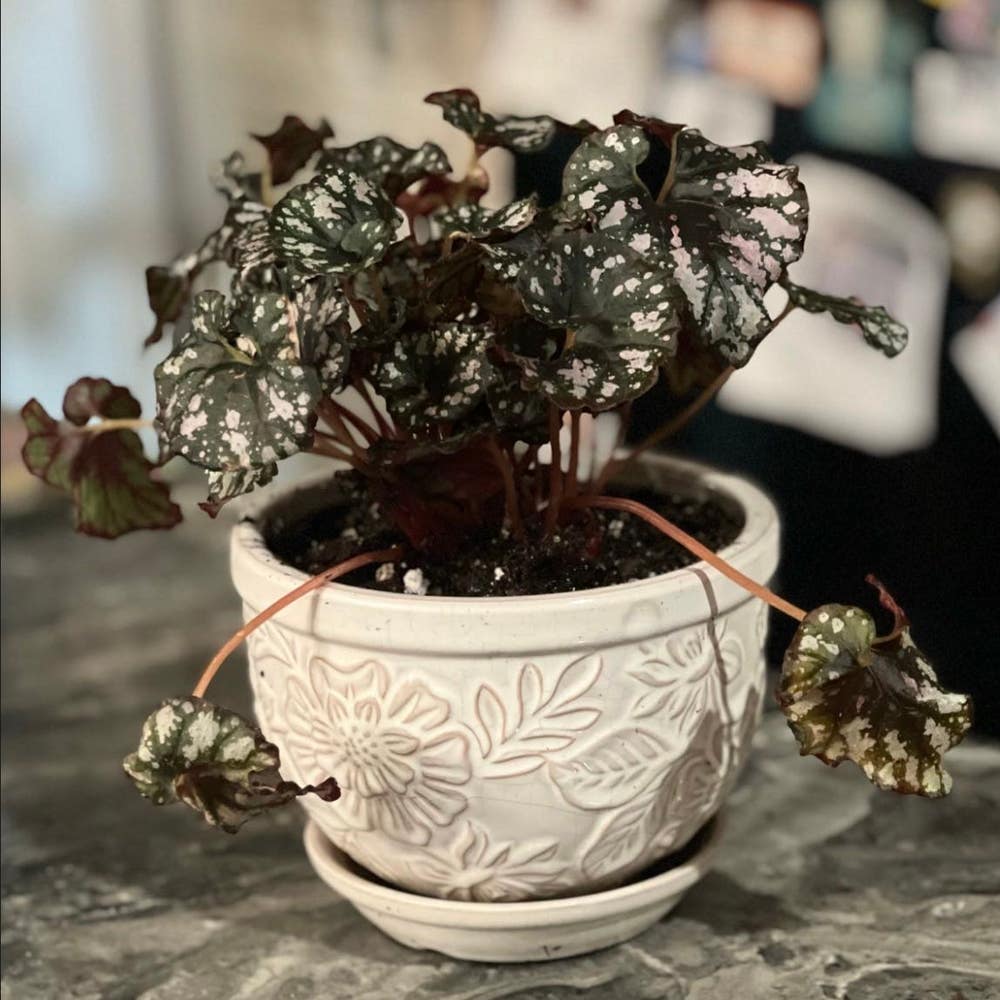
🎨 Understanding Painted-Leaf Begonia Height
Begonia rex
By the Greg Editorial Team
Sep 29, 2024•5 min read
This article was created with the help of AI so we can cover more plants for you. May contain errors. See one? Report it here.
- 🌱 Painted-leaf begonias grow 12-24 inches tall, influenced by variety and conditions.
- 💡 Bright, indirect light is essential for robust growth; avoid low-light conditions.
- 🌿 Dwarf and giant varieties cater to different spaces; choose based on your needs.
Growth Rate and Mature Dimensions
Mature Height and Spread 🌱
Painted-leaf begonias typically reach a mature height of 12 to 24 inches. Their spread can range from 12 to 18 inches, depending on the specific variety you choose.
Several factors influence these mature dimensions. Variety-specific traits play a significant role, as some cultivars are naturally larger or smaller. Additionally, growing conditions such as light, soil quality, and humidity can greatly affect the plant's final size.
Growth Rate and Time to Full Size ⏳
The average growth rate of painted-leaf begonias varies by cultivar, making some easier to grow than others. Generally, these plants take between 6 months to 2 years to reach their full size.
Several factors can affect this growth rate. Environmental conditions, including temperature and humidity, are crucial. Care practices like watering and fertilization also significantly impact how quickly your begonia grows.
Understanding these dimensions and growth rates can help you create the ideal environment for your painted-leaf begonia, ensuring it thrives beautifully. Next, let’s explore how different growing conditions can further influence the size of your plant.
Influence of Growing Conditions
🌞 Impact of Light Conditions on Size
For painted-leaf begonias, optimal light exposure is crucial. Bright, indirect light fosters robust growth and vibrant foliage.
Insufficient light can lead to stunted growth, resulting in smaller leaves and an overall diminutive plant. Conversely, excessive light can cause leaf burn, diminishing both size and vigor.
🪴 Effects of Soil Type and Container Size
Soil type plays a significant role in the health of your begonia. A well-draining mix rich in organic matter is ideal for promoting growth.
Container size also matters. Larger containers allow for more expansive root systems, leading to larger plants. However, if the plant becomes root-bound, growth can stall, resulting in a stunted appearance.
Understanding these growing conditions can help you cultivate a thriving painted-leaf begonia. Next, let’s explore the fascinating variety of sizes within this plant family.
Varieties and Size Variability
🌱 Dwarf and Giant Varieties
Painted-leaf begonias come in a fascinating range of sizes, from petite dwarfs to impressive giants. Dwarf varieties typically stand under 12 inches tall, showcasing smaller, often more colorful leaves that add a vibrant touch to any space.
In contrast, giant varieties can exceed 24 inches, boasting larger, more dramatic foliage that commands attention. These variations not only differ in size but also in their growth habits and care needs.
🌿 Growth Habits and Care Considerations
Dwarf begonias are perfect for compact spaces, thriving in smaller pots and requiring less frequent watering. Their colorful leaves can brighten up any nook, making them ideal for indoor gardens.
Giant varieties, while stunning, need more room to grow. They thrive in larger containers and benefit from regular pruning to maintain their shape and health. Understanding these differences helps you choose the right variety for your home.
As you explore these diverse options, consider how each type fits into your gardening goals. Whether you're drawn to the charm of dwarfs or the grandeur of giants, there's a painted-leaf begonia for everyone.
Next, let’s dive into how growing conditions can further influence the size and health of these beautiful plants.
Controlling Size
Pruning Techniques for Size Management 🌿
Pruning is essential for controlling the size of your painted-leaf begonia. It encourages bushier growth and prevents legginess, ensuring your plant remains vibrant and full.
For effective pruning, timing is crucial. Spring is the best season to trim back your plant, allowing it to thrive during the growing months. Techniques include pinching back tips and removing any leggy growth to promote a more compact shape.
Tips for Maintaining Desired Dimensions 📏
Regularly monitoring your plant's growth is vital. Adjust your care practices based on how your begonia is developing to maintain its desired size.
Container management also plays a significant role. Re-potting your begonia can help control its size and promote healthy growth, ensuring it has enough space for its roots to thrive.
Propagation Methods and Their Impact on Size 🌱
Understanding propagation methods is key to managing size. Leaf cuttings and stem cuttings are popular techniques that can yield smaller plants.
Keep in mind that smaller plants from cuttings may not reach the same size as those from established specimens. This knowledge can help you make informed decisions about your plant's growth trajectory.
With these strategies, you can effectively manage the size of your painted-leaf begonia, ensuring it remains a stunning addition to your home. Next, let’s explore how environmental factors like temperature and humidity can further influence your plant's growth.
Environmental Factors
Temperature and Humidity Effects on Growth 🌡️
For painted-leaf begonias, maintaining the right temperature is crucial. The ideal range is between 65°F to 75°F (18°C to 24°C), where these plants thrive.
Humidity plays a significant role in their growth as well. High humidity levels are preferred, as they promote lush foliage and vibrant colors.
When humidity drops, the effects can be noticeable. You may see smaller leaves and a reduction in overall plant size, which can be disappointing for any plant lover.
Nutrient Availability and Its Influence on Size 🥦
Balanced fertilization is essential for healthy growth. Nutrient deficiencies can lead to stunted growth, leaving your begonia looking less than its best.
To keep your plant thriving, follow a recommended fertilization schedule. Monthly feedings during the growing season will help ensure your painted-leaf begonia reaches its full potential.
Understanding these environmental factors can significantly enhance your plant care routine. With the right temperature, humidity, and nutrients, your begonias will flourish beautifully.
Next, we’ll explore how different growing conditions can impact the size of your painted-leaf begonias.
⚠️ Safety First
This content is for general information and may contain errors, omissions, or outdated details. It is not medical, veterinary advice, or an endorsement of therapeutic claims.
Always consult a qualified healthcare professional before using any plant as food, medicine, or supplement.
Never eat any plant (or feed one to pets) without confirming its identity with at least two trusted sources.
If you suspect poisoning, call Poison Control (800) 222-1222, the Pet Poison Helpline (800) 213-6680, or your local emergency service immediately.
Spotted an error? Please report it here.
Unlock the full potential of your painted-leaf begonias 🌿 with Greg's tailored care reminders and watering plans, ensuring they thrive beautifully in your home!