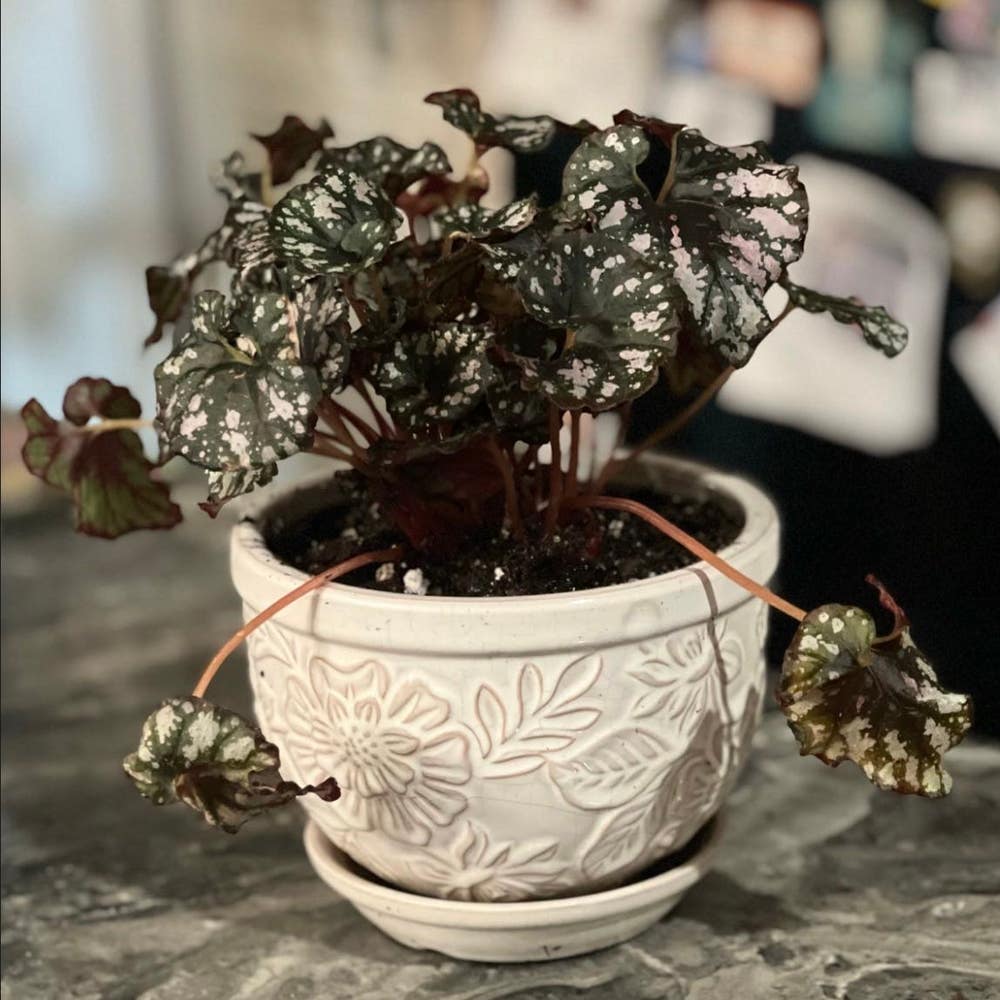
🌸 Top 6 Pot Features Your Painted-Leaf Begonia Will Love
Begonia rex
By the Greg Editorial Team
Sep 29, 2024•5 min read
This article was created with the help of AI so we can cover more plants for you. May contain errors. See one? Report it here.
- 🌱 Choose the right pot size: 4-6 inches for young, 8-12 inches for mature begonias.
- 🕒 Repot in early spring to support active growth and prevent root crowding.
- 🌿 Drainage is crucial: Ensure pots have 3-4 holes to avoid root rot.
Pot Size for Growth Stages
Importance of Pot Size 🌱
Choosing the right pot size is crucial for your Painted-Leaf Begonia's health. For young plants, a snug fit in a pot that is 4-6 inches in diameter encourages strong root development.
As your plant matures, it will need more room. An 8-12 inch pot allows for root expansion, promoting overall health and vitality.
Transitioning Between Sizes 🔄
Watch for signs that your plant needs a larger pot. Root crowding and stunted growth are clear indicators that it's time to repot.
The best time to make this transition is early spring, during the active growth phase. This timing helps your plant adjust and thrive in its new home.
Ideal Pot Materials
🌱 Clay Pots
Clay pots are a popular choice for Painted-Leaf Begonias due to their breathability. This feature allows for essential air exchange, significantly reducing the risk of root rot.
Additionally, their natural aesthetic beautifully complements the vibrant foliage of your begonia. However, they come with some drawbacks.
Clay pots are heavier and can be less portable, making them a challenge to move around. They also tend to dry out faster, which means you might find yourself watering more frequently.
🪴 Plastic Pots
On the other hand, plastic pots offer a lightweight and easy-to-move option. This makes them ideal for those who like to rearrange their plant displays or need to shift pots for sunlight.
They also retain moisture longer, which can be a blessing for busy plant parents. Yet, it's important to note that plastic pots are less breathable than clay.
This reduced airflow can lead to root rot if the drainage isn't adequate. Choosing the right pot material ultimately depends on your care preferences and lifestyle.
In summary, both clay and plastic pots have their pros and cons. Understanding these differences will help you make an informed choice for your Painted-Leaf Begonia, ensuring it thrives in its new home.
Next, let’s dive into the crucial topic of drainage considerations to keep your plant healthy and happy.
Drainage Considerations
Importance of Drainage Holes 🌊
Proper drainage is crucial for your Painted-Leaf Begonia's health. Drainage holes allow excess water to escape, preventing water accumulation that can lead to root rot.
For optimal drainage, aim for at least 3-4 holes in your pot. This ensures that your plant's roots receive the air they need while excess moisture is efficiently removed.
Types of Pots with Drainage 🪴
When choosing pots, consider those with drainage holes versus those without. Pots with drainage holes are generally preferred, as they promote healthier root systems.
On the other hand, pots without drainage can trap water, leading to potential issues. Always prioritize your plant's needs when selecting the right pot.
Effects of Poor Drainage 🚫
Overwatering can manifest in several ways. Common symptoms include yellowing leaves, wilting, and root rot, all of which signal that your plant is struggling.
In the long run, poor drainage can stunt growth and even lead to plant death. Regularly monitoring soil moisture levels is essential to avoid these pitfalls.
Monitoring Soil Moisture Levels 👀
Keeping an eye on soil moisture is key. Use your finger to check the top inch of soil; if it feels dry, it’s time to water.
By staying vigilant, you can ensure your Painted-Leaf Begonia thrives in its environment. This simple practice can save you from the headaches of overwatering and its consequences.
As you consider potting options, remember that the right drainage setup can make all the difference in your plant's health. Next, let’s explore the best practices for repotting your beloved begonia.
Repotting Guidelines
🕒 When to Repot
Recognizing when to repot your Painted-Leaf Begonia is crucial for its health. Look for signs like roots growing out of drainage holes or soil that dries out too quickly.
It's generally recommended to repot every 1-2 years, but always assess based on your plant's growth. If you notice any of these signs, it’s time to make a move.
🪴 Choosing the Right Pot for Repotting
When selecting a new pot, size and material are key factors. Ensure the new pot is 1-2 inches larger in diameter than the current one to provide ample space for growth.
Decide between clay and plastic based on your care preferences. Clay pots are breathable but heavier, while plastic pots are lightweight and retain moisture longer.
🔧 Steps for Successful Repotting
Follow these steps for a smooth repotting experience:
- Prepare the new pot with fresh, well-draining soil.
- Gently remove the plant from its old pot.
- Inspect the roots for any damage and trim if necessary.
- Place the plant in the new pot, filling in with soil.
- Water thoroughly and allow it to drain.
By following these guidelines, you’ll ensure your Painted-Leaf Begonia continues to thrive in its new home. Next, let’s explore the best container size recommendations for both young and mature plants.
Container Size Recommendations
Recommended Sizes for Young vs. Mature Plants 🌱
When it comes to pot size, getting it right is crucial for your Painted-Leaf Begonia. For young plants, an ideal pot size is between 4 to 6 inches in diameter. This snug fit encourages healthy root development, allowing your plant to thrive.
As your begonia matures, it will need more space. A pot size of 8 to 12 inches in diameter is recommended for established plants. This larger size provides room for root expansion, promoting overall health and vitality.
Adjusting Container Size as the Plant Grows 📏
Transitioning to a larger pot is essential as your plant grows. Look for signs like roots peeking out of drainage holes or soil drying out too quickly. These indicators suggest it's time for a repot.
When you do repot, aim for a new pot that is 1 to 2 inches larger in diameter than the current one. This gradual increase helps your begonia adjust without shock, ensuring it continues to flourish.
By keeping an eye on your plant's growth and adjusting its container size accordingly, you'll set the stage for a vibrant, healthy Painted-Leaf Begonia. Next, let’s dive into the ideal pot materials that will complement your plant's needs.
⚠️ Safety First
This content is for general information and may contain errors, omissions, or outdated details. It is not medical, veterinary advice, or an endorsement of therapeutic claims.
Always consult a qualified healthcare professional before using any plant as food, medicine, or supplement.
Never eat any plant (or feed one to pets) without confirming its identity with at least two trusted sources.
If you suspect poisoning, call Poison Control (800) 222-1222, the Pet Poison Helpline (800) 213-6680, or your local emergency service immediately.
Spotted an error? Please report it here.
Keep your Painted-Leaf Begonia thriving 🌿 by using Greg's tailored reminders for pot size and care, ensuring it gets the perfect environment for vibrant growth!