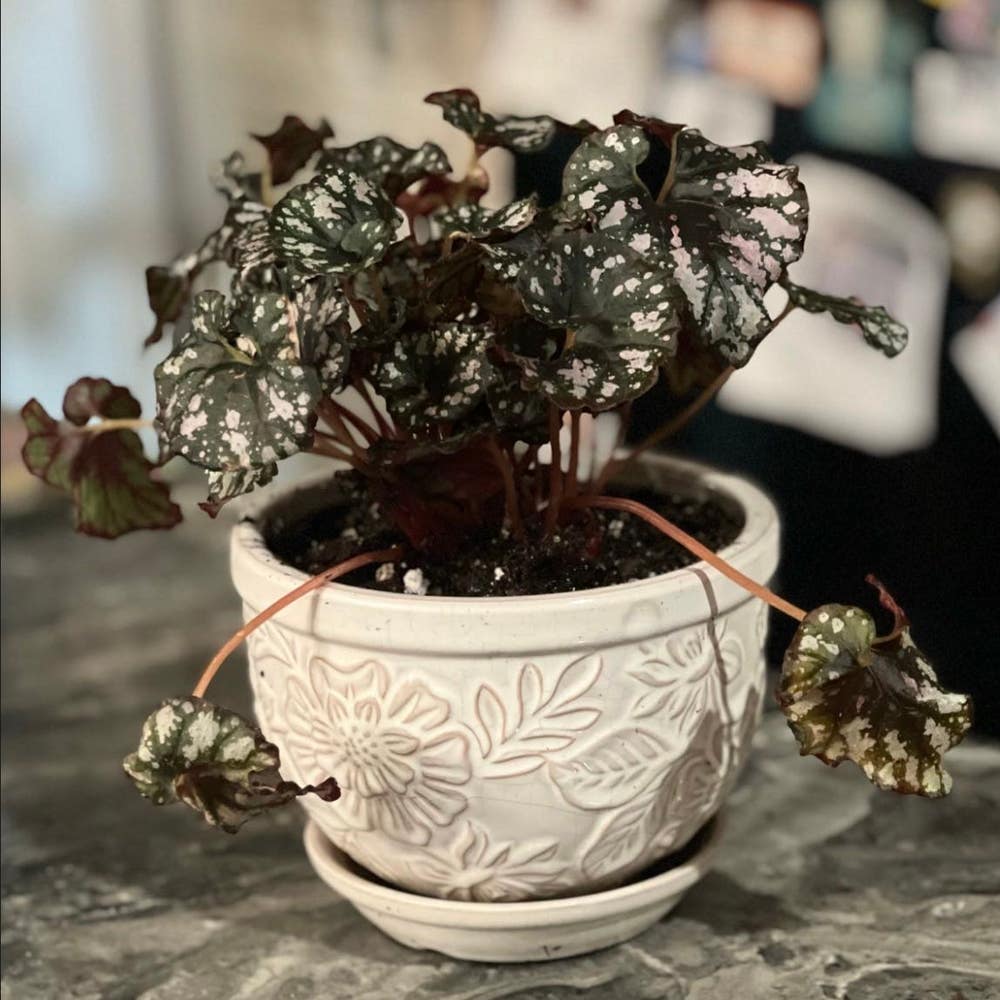
🎨 Best Tips for Dropping Leaves on Painted-Leaf Begonia
Begonia rex
By the Greg Editorial Team
Sep 29, 2024•7 min read
This article was created with the help of AI so we can cover more plants for you. May contain errors. See one? Report it here.
- 💧 Overwatering and underwatering both cause leaf drop; maintain a consistent watering schedule.
- 🌡️ Ideal temperature for painted-leaf begonias is 20°C to 25°C (68°F to 77°F).
- 🌿 Humidity levels between 50%-70% prevent browning; use pebble trays for increase.
Causes of Leaf Drop
💧 Overwatering and Its Effects
Overwatering is a common issue that can lead to significant leaf drop in painted-leaf begonias. Symptoms include yellowing leaves and mushy stems, often accompanied by root rot that emits a foul smell.
To combat this, it's crucial to use well-draining soil to prevent water accumulation. Aim to keep the soil slightly moist but never soggy for optimal plant health.
🚰 Underwatering and Its Symptoms
On the flip side, underwatering can also cause distress. Signs include crispy, dry leaves and curling, with soil often pulling away from the pot edges.
Regularly check soil moisture, especially during dry spells, to ensure your plant gets the hydration it needs.
🌡️ Environmental Stress Factors
Temperature Sensitivity
Painted-leaf begonias thrive in a temperature range of 20°C to 25°C (68°F to 77°F). Sudden temperature changes can lead to leaf drop and stress, so maintaining a stable environment is key.
💦 Humidity Requirements
These plants prefer humidity levels between 50% and 70%. Low humidity can manifest as browning and curling leaf edges, signaling that your plant needs a moisture boost.
🐛 Pest Infestations
Common Pests
Aphids and spider mites are common culprits that can wreak havoc on your begonias. Aphids are small, green insects that distort leaves, while spider mites leave fine webbing and stippled leaves in their wake.
⚠️ Impact of Pests on Leaf Health
Pest infestations weaken plant health, often resulting in leaf drop. Regular inspections can help catch these pests early.
🌱 Nutrient Deficiencies
Lack of Nitrogen
A nitrogen deficiency can lead to pale leaves and stunted growth. Balanced fertilization is essential for maintaining overall plant health and preventing nutrient-related issues.
Understanding these causes of leaf drop can help you take proactive measures to keep your painted-leaf begonia thriving. Next, we’ll explore effective strategies for preventing leaf drop in your plants.
Preventing Leaf Drop
💧 Proper Watering Techniques
To keep your painted-leaf begonia thriving, establish a consistent watering schedule. Allow the top inch of soil to dry out between waterings to prevent overwatering.
Using moisture meters can help you gauge soil moisture accurately. This simple tool takes the guesswork out of watering, ensuring your plant gets just the right amount.
🌫️ Ideal Humidity Levels
Humidity plays a crucial role in the health of your begonia. To increase humidity, consider using pebble trays filled with water beneath your pots.
Humidifiers are also effective, especially in dry environments. These methods create a more favorable atmosphere for your plant, reducing the risk of leaf drop.
🌡️ Optimal Temperature Range
Temperature stability is key for your begonia's well-being. Aim to keep your plant in an environment free from drafts and sudden temperature fluctuations.
Position your begonia away from heating vents and air conditioning units. This helps maintain a consistent temperature, which is vital for preventing stress-related leaf drop.
🌱 Soil Selection and Drainage
Choosing the right soil is essential for healthy growth. A well-draining potting mix with perlite or orchid bark is recommended to ensure proper drainage.
Don't overlook the importance of drainage holes in your pots. These holes prevent waterlogging, which can lead to root rot and subsequent leaf drop.
🐞 Regular Pest Inspections and Treatments
Pest management is a proactive step in preventing leaf drop. Conduct weekly inspections to catch any infestations early.
For treatment, neem oil or insecticidal soap are effective options. Regular checks and timely interventions can keep your begonia healthy and vibrant.
By implementing these preventive measures, you can significantly reduce the risk of leaf drop in your painted-leaf begonia. Next, let’s explore how to diagnose leaf drop issues effectively.
Diagnosing Leaf Drop Issues
🌊 Identifying Signs of Overwatering
Overwatering can be a sneaky culprit behind leaf drop. Look for yellowing leaves and wilting, even when the soil feels wet.
To confirm, check the roots. If they’re mushy or emit a foul smell, root rot might be setting in.
💧 Recognizing Signs of Underwatering
On the flip side, underwatering presents its own set of challenges. Watch for dry, crispy leaves and soil that pulls away from the pot edges.
Testing soil moisture is key. Use your fingers or a moisture meter to gauge how dry it really is.
🐛 Checking for Pests and Diseases
Pests can wreak havoc on your painted-leaf begonia. Regularly inspect leaves for signs of infestation, such as tiny insects or webbing.
Additionally, keep an eye out for disease indicators. Fungal spots or unusual discoloration can signal deeper issues.
🌡️ Assessing Environmental Conditions
Environmental factors play a significant role in leaf health. Monitor temperature and humidity levels closely to ensure they stay within the ideal ranges.
Adjust plant placement as seasons change. This simple step can help mitigate stress and promote healthier foliage.
By diagnosing these issues early, you can take proactive steps to keep your begonia thriving. Next, let’s explore effective treatment solutions to address these leaf drop concerns.
Treatment Solutions
Adjusting Watering Schedules 🌊
Establishing a consistent watering routine is crucial for your painted-leaf begonia. Adjust your schedule based on seasonal needs, ensuring the top inch of soil dries out between waterings.
Using the Greg plant care app can help you stay on track with AI-powered reminders. This tool makes it easier to remember when to water, ensuring your plant gets the right amount of moisture.
Increasing Humidity Levels 💧
Humidity plays a vital role in the health of your begonia. Implement humidity-boosting techniques like pebble trays filled with water or placing a humidifier nearby.
Regular misting of leaves can also help, but be cautious not to overdo it. Excess moisture on foliage can lead to fungal issues, so aim for a light misting.
Fertilization Tips for Recovery 🌱
Fertilization is key to reviving a struggling plant. During the growing season, use a balanced NPK fertilizer to provide essential nutrients.
Feed your begonia monthly while it's actively growing. This regular nourishment supports recovery and promotes vibrant foliage.
Pest Control Methods 🐛
Organic Options 🌿
For pest management, consider organic solutions first. Neem oil and insecticidal soap are effective and safe for your plant.
These options help control pests without harming the environment. Regular applications can keep infestations at bay.
Chemical Options ⚗️
In cases of severe infestations, systemic insecticides may be necessary. These chemicals work from within the plant, targeting pests that feed on it.
Use these options sparingly and follow the manufacturer's instructions for best results. Always prioritize the health of your plant.
Pruning Damaged Leaves ✂️
Pruning is an essential step in maintaining your begonia's health. Use clean, sharp scissors to remove any damaged or affected leaves.
Timing is important; prune during the growing season for optimal recovery. This encourages new growth and keeps your plant looking its best.
With these treatment solutions, you can effectively address leaf drop issues and promote a thriving painted-leaf begonia. Next, let’s explore how to monitor and maintain your plant for long-term health.
Monitoring and Maintenance
Regular Check-Ups for Leaf Health 🌿
Regular inspections are crucial for keeping your painted-leaf begonia healthy. Aim for weekly check-ups to spot any signs of stress or pest infestations early.
Keeping a care journal can be a game-changer. Documenting your plant's health over time helps you identify patterns and make informed adjustments.
Seasonal Care Adjustments 🌦️
As the seasons change, so should your care routine. Adjust your watering and humidity levels to match the needs of your begonia throughout the year.
In winter, it's especially important to reduce watering frequency. The plant's growth slows down, and too much moisture can lead to problems.
Long-Term Care Strategies 📅
Consistent care is key for vibrant foliage. Establishing a routine for monitoring your plant will help maintain its health and beauty.
Make it a habit to check in on your begonia regularly. This proactive approach ensures you catch any issues before they escalate, keeping your plant thriving for years to come.
With these strategies in place, your painted-leaf begonia will flourish, setting the stage for the next section on treatment solutions.
⚠️ Safety First
This content is for general information and may contain errors, omissions, or outdated details. It is not medical, veterinary advice, or an endorsement of therapeutic claims.
Always consult a qualified healthcare professional before using any plant as food, medicine, or supplement.
Never eat any plant (or feed one to pets) without confirming its identity with at least two trusted sources.
If you suspect poisoning, call Poison Control (800) 222-1222, the Pet Poison Helpline (800) 213-6680, or your local emergency service immediately.
Spotted an error? Please report it here.
Keep your painted-leaf begonia thriving 🌿 by using Greg's tailored reminders and tips to master watering and create the perfect environment for vibrant foliage!