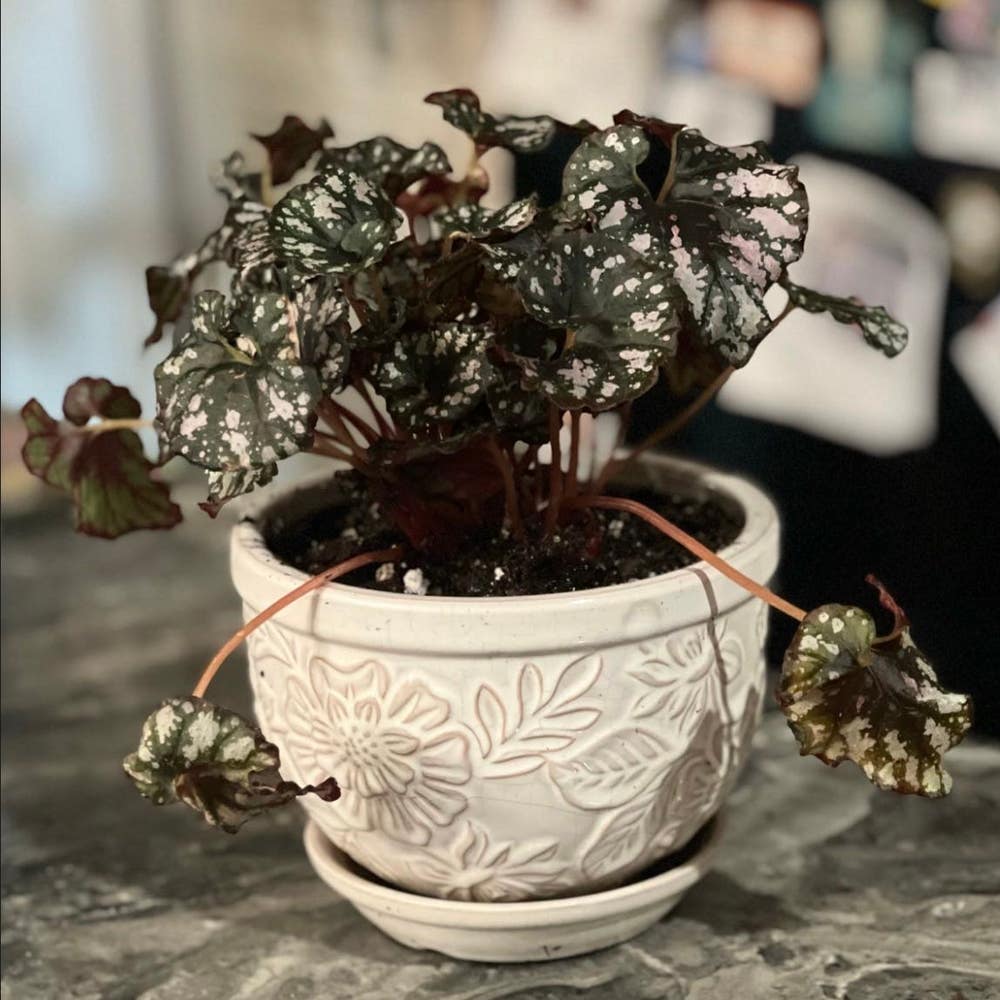
9 Tips for Propagating Your Painted-Leaf Begonia
Begonia rex
By the Greg Editorial Team
Sep 29, 2024•6 min read
This article was created with the help of AI so we can cover more plants for you. May contain errors. See one? Report it here.
- 🌱 Choose healthy, mature leaves for successful painted-leaf begonia propagation.
- 💧 Maintain humidity with plastic covers to boost rooting success.
- 🌞 Provide bright, indirect light to prevent leaf scorch during propagation.
Leaf Cutting Method
Step-by-step instructions (difficulty: easy)
Select a healthy leaf: Choose a mature leaf that shows no signs of damage or disease. This is crucial for successful propagation.
Cut the leaf: Use a clean, sharp knife to slice the leaf into sections. Ensure each piece has a vein, as this is essential for rooting.
Prepare the medium: Opt for a well-draining soil mix or water for propagation. Both methods can yield great results.
Plant the cuttings: Place the leaf sections in the soil or water, making sure the veins are in contact with the medium. This contact promotes root development.
Maintain humidity: Cover the setup with a plastic bag or dome to retain moisture. This creates a mini greenhouse effect, which is beneficial for growth.
🌱 Ideal conditions for success
Temperature: Aim for a range of 20°C to 25°C (68°F to 77°F). This temperature range is optimal for rooting.
Humidity: High humidity levels of 60% or more are ideal. Consider using a humidity dome if your environment is dry.
Light: Provide indirect sunlight to prevent leaf scorch. Bright, filtered light works best.
❌ Common mistakes to avoid
Overwatering: Keep the medium moist but not soggy. Overwatering can lead to root rot, which is detrimental to your cuttings.
Using damaged leaves: Always select healthy leaves for propagation. Damaged leaves are less likely to root successfully.
By following these steps, you can effectively propagate your painted-leaf begonia using the leaf cutting method. This technique is not only simple but also rewarding, allowing you to expand your plant collection with ease.
Next, let’s explore the stem cutting method, which offers another effective way to propagate your begonias.
Stem Cutting Method
Step-by-step instructions (difficulty: moderate) 🌱
Choose a healthy stem: Look for a stem that has at least 2-3 nodes. Healthy stems are crucial for successful propagation.
Cut the stem: Use a clean knife to make a cut just below a node. This ensures the cutting has the best chance to root.
Prepare the cutting: Remove the lower leaves to expose the nodes. This step is essential for root development.
Rooting medium: Place the cutting in either water or a well-draining soil mix. Both methods can yield great results.
Cover for humidity: Use a plastic bag or dome to maintain moisture around the cutting. This helps create a mini-greenhouse effect.
Best practices for rooting 🌿
Use rooting hormone: Dipping the cut end in rooting hormone can significantly enhance root growth. It’s a simple step that can make a big difference.
Keep in bright, indirect light: Avoid direct sunlight, which can stress the cutting. Bright, indirect light is ideal for healthy growth.
Troubleshooting issues 🛠️
Yellowing leaves: If you notice yellowing leaves, it’s often a sign of overwatering. Adjust your watering routine to reduce moisture.
No root growth: If roots aren’t developing, check the humidity and temperature. Both factors are critical for successful rooting.
By following these steps and tips, you'll be well on your way to propagating your painted-leaf begonia successfully. Next, let’s explore the water propagation method, which is another easy and effective way to grow new plants.
Water Propagation
🌊 How to propagate in water (difficulty: easy)
Water propagation is a simple and effedrainage holesrow your painted-leaf begonia. Start by selecting a healthy cutting, root rotrom a leaf or a stem.
Next, place the cut end in a glass of water. Ensure it’s submerged but not too deep, as you want to avoid rotting.
🔄 Change water regularly
To keep your cutting begoniag, refresh the water every few days. This prevents stagnation and keeps the environment clean for rooverwatering🌱 Signs of successful rooting
Watch humiditydevelopment of white roots. Ideally, they should reach at least 2-3 inches long before you think about thealthy root developmentl.
New leaf growth is another positive sign, indicating that your cutting is establishing well and ready for the next step.
🌍 Transitioning to soil
When your cutting is ready, prepare a pot with well-draining soil. Carefully transfer the rooted cutting into the soil, ensuring the roots are well covered.
Water lightly after planting and cover the pot to maintain humidpestsThis will help yospider mites adjust to its new environment without stress.
With these steps, you’reRoot rot your way to successfully propagating your painted-leaf begonia in water! Next, let’sdrainage the soil propagation method for those who prefer a different approach.
Temperaturepagation
Choosing the Right Soil Mix 🌱
For successful soil propagation of your painted-leaf begonia, opt for a mix of peat, perlite, and vermiculite. This combination ensures optimal drainage while providing the necessaryplant'snts for healthy growth.
Make sure the soil is sterile to prevent diseases that could hinder your plant's development. A clean start is crucial for your propagation journey.
Container Selection 🪴
When selecting containers, small pots or propagation trays with drainage holes are ideal. These allow excess water to escape, reducing the risk of root rot.
Always ensure your containers are clean to avoid contamination. A little attention to detail here can make a big difference in your success.
Watering and Humidity Needs 💧
Water your begonia cuttings when the top inch of soil feels dry. This helps maintain the right moisture level without overwatering, which can be detrimental.
To keep humidity high, consider using a humidity dome or plastic wrap. This creates a mini greenhouse effect, promoting healthy root development.
Transitioning to soil propagation can be a rewarding experience, setting the stage for vibrant growth. Next, let’s explore common challenges you might face during propagation and how to overcome them.
Common Challenges in Propagation
🐛 Pests and Diseases During Propagation
Propagation can be a rewarding journey, but it comes with its share of challenges. Common pests like aphids and spider mites can wreak havoc on your cuttings, so keep a close eye on your plants.
Root rot is another concern, often stemming from overwatering. Ensure your medium has proper drainage to prevent this issue.
🌡️ Environmental Factors Affecting Success
Temperature fluctuations can stress your plants, making it crucial to maintain stable conditions. Aim for a consistent environment to promote healthy growth.
Light levels also play a significant role. Insufficient light can hinder your plant's development, so provide bright, indirect light for optimal results.
By being mindful of these challenges, you can enhance your propagation success and enjoy the beauty of your painted-leaf begonias. Next, let’s explore the best practices for soil propagation to ensure your cuttings thrive.
⚠️ Safety First
This content is for general information and may contain errors, omissions, or outdated details. It is not medical, veterinary advice, or an endorsement of therapeutic claims.
Always consult a qualified healthcare professional before using any plant as food, medicine, or supplement.
Never eat any plant (or feed one to pets) without confirming its identity with at least two trusted sources.
If you suspect poisoning, call Poison Control (800) 222-1222, the Pet Poison Helpline (800) 213-6680, or your local emergency service immediately.
Spotted an error? Please report it here.
Propagating your painted-leaf begonia is thrilling 🌿 when you use Greg's tailored reminders and expert tips to ensure your cuttings root successfully and grow into beautiful plants!