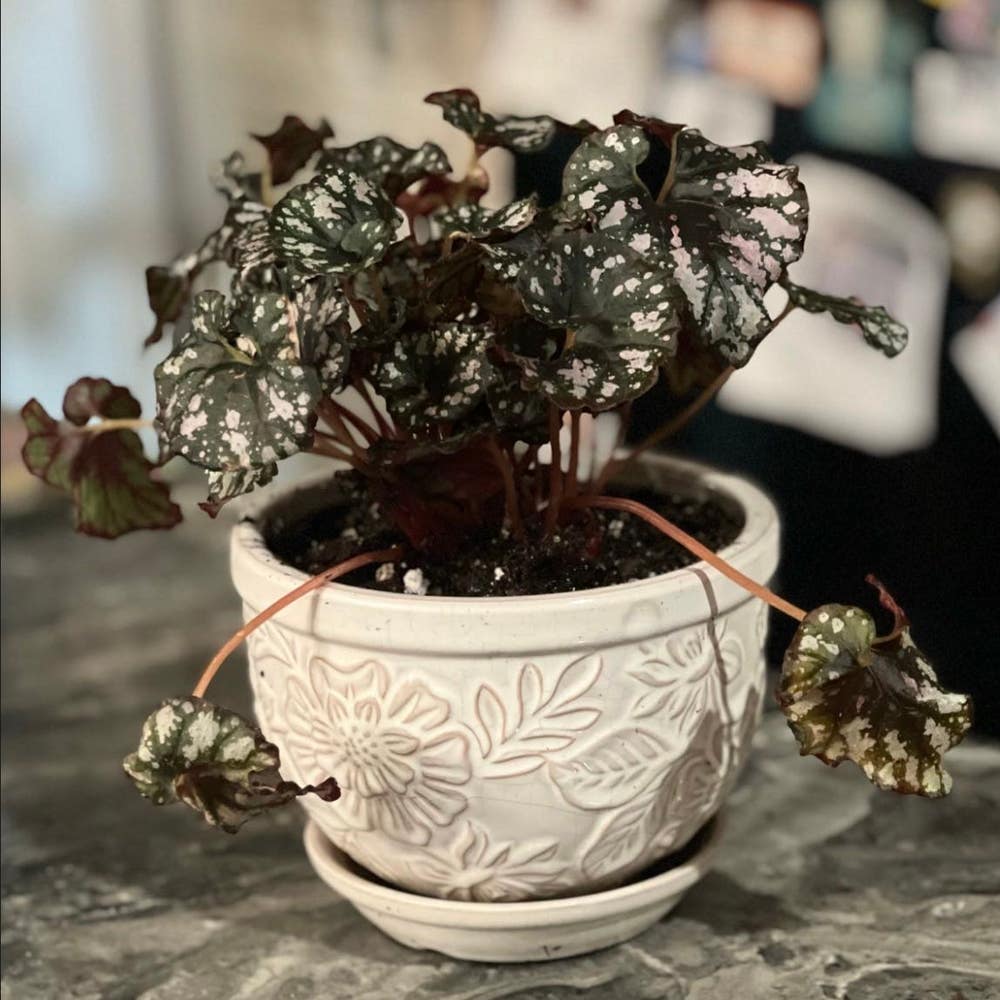
Best Humidity Levels for Painted-Leaf Begonia 💧
Begonia rex
By the Greg Editorial Team
Sep 29, 2024•6 min read
This article was created with the help of AI so we can cover more plants for you. May contain errors. See one? Report it here.
- 🌱 Ideal humidity for Painted-Leaf Begonias is between 60% and 80% for thriving growth.
- ❗️ Low humidity below 50% causes distress, leading to curling and browning leaves.
- 💧 Excess humidity over 80% promotes mold; balance is key for plant health.
Ideal Humidity Range for Optimal Growth
For your Painted-Leaf Begonia to thrive, aim for a relative humidity of 60% to 80%. This range creates an ideal environment for growth, ensuring your plant remains vibrant and healthy.
🌬️ Effects of Low Humidity
When humidity dips below 50%, your begonia may start showing distress. You might notice leaf curling and browning, which are clear signs that your plant is struggling to cope with the dry air.
💧 Effects of High Humidity
On the flip side, humidity levels exceeding 80% can lead to unwanted issues. Mold and fungal growth become real threats, jeopardizing the health of your beloved plant.
Maintaining the right humidity is crucial for the well-being of your Painted-Leaf Begonia. By keeping an eye on these levels, you can prevent common problems and ensure your plant flourishes.
Next, let’s explore the signs that indicate your plant might not be getting enough humidity.
Signs of Inadequate Humidity
🌿 Leaf Curling
One of the first signs that your Painted-Leaf Begonia is struggling with humidity is leaf curling. You'll notice the edges of the leaves starting to curl inward, which can be a clear indicator that the air is too dry.
🔥 Browning
Browning is another telltale sign of inadequate humidity. When the tips and edges of the leaves turn brown and crispy, it’s a signal that your plant is not getting the moisture it needs.
🍂 Leaf Drop
Premature leaf drop can also occur when humidity levels are too low. If you see your begonia shedding leaves, it’s a sign of stress that shouldn't be ignored.
Recognizing these signs early can help you adjust your care routine and keep your Painted-Leaf Begonia thriving. By monitoring humidity levels closely, you can ensure your plant remains healthy and vibrant.
Assessing Local Humidity
🛠️ Tools for Measuring Humidity
To keep your Painted-Leaf Begonia thriving, measuring humidity is essential. Hygrometers come in two main types: digital and analog.
Digital hygrometers are often more accurate and easier to read, while analog options can be more affordable. When choosing a humidity meter, look for features like a clear display, humidity range, and temperature readings.
Regular monitoring is crucial for optimal plant health. By keeping an eye on humidity levels, you can quickly address any issues before they affect your plant.
🌦️ Understanding Seasonal Humidity Variations
Humidity levels can fluctuate significantly throughout the year. In winter, indoor heating can dry the air, while summer often brings higher humidity levels.
Geographic factors also play a role; coastal areas typically have higher humidity than arid regions. Adjusting your care routine based on these seasonal and local humidity patterns will help keep your Painted-Leaf Begonia happy and healthy.
Understanding these variations allows you to anticipate changes and adapt your plant care accordingly. This proactive approach ensures your plant thrives in any environment.
Strategies for Boosting Humidity
🌊 Using Humidity Trays
Humidity trays are a simple yet effective way to increase moisture around your Painted-Leaf Begonia. These shallow trays filled with water and pebbles not only look nice but also create a humid microenvironment.
For optimal effect, position the trays near your plant. This placement ensures that the moisture rises and envelops the leaves, promoting healthier growth.
Regular maintenance is key. Make sure to refill the water frequently to keep the humidity levels consistent and beneficial for your plant.
🌱 Grouping Plants Together
Clustering plants can significantly boost humidity levels. When you group your Painted-Leaf Begonia with other humidity-loving plants, you create a mini ecosystem that retains moisture.
Consider pairing it with ferns or peace lilies. These combinations not only enhance humidity but also create a visually appealing display.
💦 Misting Techniques
Misting is another effective strategy, but timing is everything. Aim to mist your plant in the morning to allow leaves to dry throughout the day, reducing the risk of leaf rot.
Use a fine mist spray bottle for the best results. This ensures an even distribution of moisture without saturating the leaves.
🌬️ Humidifiers and Their Benefits
Humidifiers can be a game-changer for maintaining ideal humidity levels. You can choose between cool mist and warm mist options, depending on your preference and the needs of your plants.
Placement matters, too. Position your humidifier near your Painted-Leaf Begonia for maximum benefit, ensuring the moisture reaches the plant effectively.
Don't forget about maintenance. Regularly clean your humidifier to prevent mold growth and ensure it operates efficiently.
By implementing these strategies, you can create a thriving environment for your Painted-Leaf Begonia, ensuring it remains lush and vibrant. Next, let’s explore how to assess local humidity levels to further enhance your plant care routine.
Strategies for Reducing Humidity
🌬️ Ventilation Techniques
Air circulation is crucial for maintaining a healthy environment for your Painted-Leaf Begonia. Stagnant air can lead to increased humidity levels, which may foster mold and other issues.
To improve airflow, consider using fans or simply opening windows. This not only helps reduce humidity but also promotes overall plant health.
🚫 Avoiding Overwatering
Overwatering is a common mistake that can significantly raise humidity levels. Signs of overwatering include yellowing leaves and soggy soil, which can stress your plant.
To maintain balance, establish a consistent watering schedule. Allow the top inch of soil to dry out before watering again, ensuring your plant gets just the right amount of moisture.
🌱 Choosing the Right Potting Mix
Selecting a well-draining potting mix is essential for preventing excess moisture. Look for mixes specifically designed for houseplants, as they often contain materials that promote drainage.
Aeration is another key factor; it allows air to circulate through the soil, reducing humidity buildup. A good mix will help keep your Painted-Leaf Begonia thriving without the risk of soggy roots.
By implementing these strategies, you can effectively manage humidity levels and create a healthier environment for your plants. Next, let's explore best practices for maintaining ideal humidity levels.
Best Practices for Maintaining Ideal Humidity Levels
🌧️ Recap of Humidity Needs for Painted-Leaf Begonia
For optimal growth, Painted-Leaf Begonias thrive in humidity levels between 60% and 80%. Maintaining this range is crucial, as inadequate humidity can lead to issues like leaf curling, browning, and even leaf drop.
💧 Final Tips for Maintaining Ideal Humidity Levels
Regularly check humidity levels using a humidity meter designed for plants. This simple step can help you catch any fluctuations before they affect your begonias.
Adjust your care routines based on seasonal changes and local conditions. Humidity can vary significantly throughout the year, so stay vigilant.
Incorporate multiple strategies for effective humidity control. Whether it's using humidity trays, grouping plants, or misting, a combination of methods will yield the best results for your houseplants.
By staying proactive and attentive, you can create a thriving environment for your Painted-Leaf Begonia. This not only enhances their beauty but also enriches your indoor space.
⚠️ Safety First
This content is for general information and may contain errors, omissions, or outdated details. It is not medical, veterinary advice, or an endorsement of therapeutic claims.
Always consult a qualified healthcare professional before using any plant as food, medicine, or supplement.
Never eat any plant (or feed one to pets) without confirming its identity with at least two trusted sources.
If you suspect poisoning, call Poison Control (800) 222-1222, the Pet Poison Helpline (800) 213-6680, or your local emergency service immediately.
Spotted an error? Please report it here.
Keep your Painted-Leaf Begonia thriving 🌱 by maintaining that ideal 60% to 80% humidity with Greg's tailored tips and reminders for a flourishing plant environment!