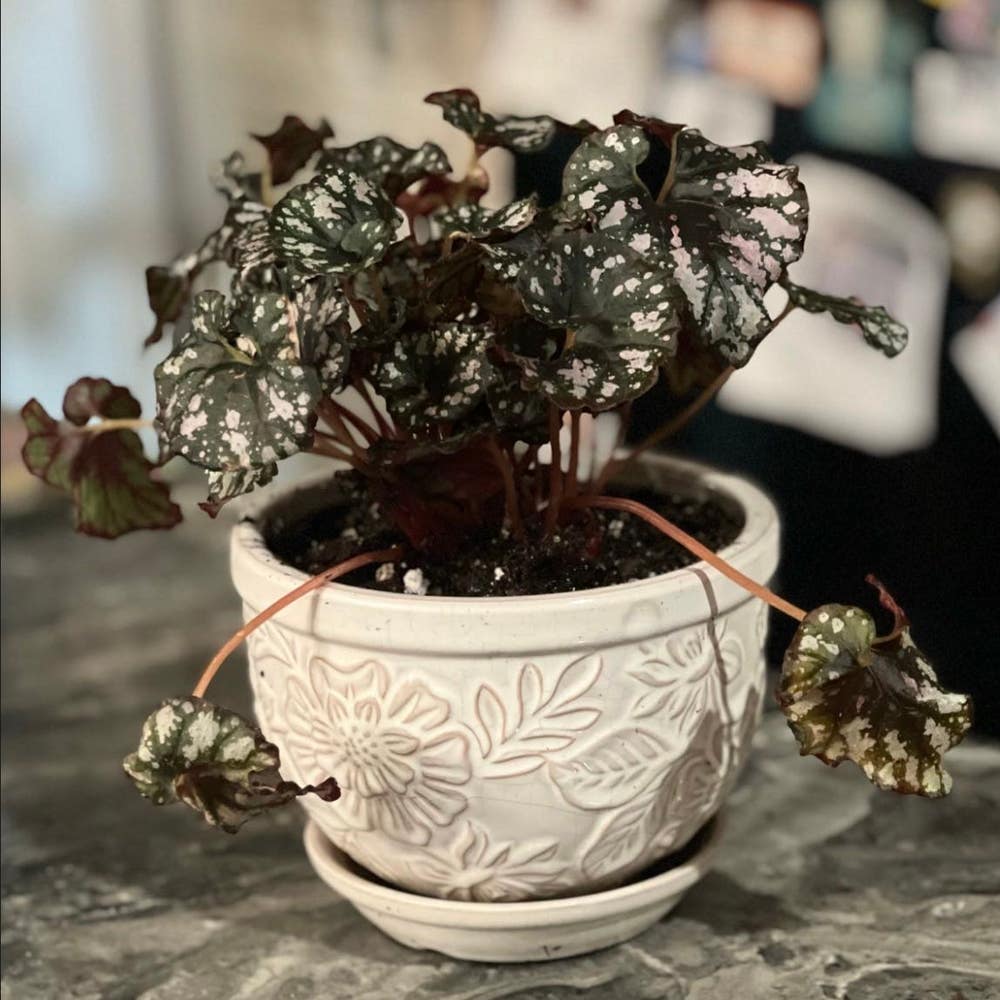
👑 Ultimate Guide to King Begonia
Begonia rex
By the Greg Editorial Team
Jan 24, 2025•13 min read
This article was created with the help of AI so we can cover more plants for you. May contain errors. See one? Report it here.
- 🌞 King Begonia thrives in bright, indirect light; avoid direct sun to prevent scorch.
- 💧 Maintain consistent soil moisture; overwatering leads to yellow leaves and root rot.
- 🌱 Low maintenance and adaptable, making King Begonia perfect for beginners and indoor settings.
How to Grow
🌞 Choosing a Location
To thrive, King Begonia prefers bright, indirect light indoors. Direct sunlight can scorch its leaves, so be sure to find a spot that offers filtered light.
Outdoors, these plants enjoy partial shade. It's essential to protect them from harsh winds and extreme temperatures to keep them healthy.
🌱 Soil Preparation
For optimal growth, use a well-draining potting mix enriched with organic matter. This ensures the roots have the nutrients they need without becoming waterlogged.
Aim for a soil pH that is slightly acidic to neutral, ideally between 6.0 and 7.0. This range promotes healthy root development and overall plant vitality.
🌿 Planting Techniques
When planting, make sure the crown of the King Begonia is level with the soil surface. This positioning helps prevent rot and encourages healthy growth.
For outdoor planting, space your begonias 12 to 18 inches apart. This distance allows for adequate airflow and room for each plant to flourish.
💧 Watering Requirements
Keep the soil consistently moist, but avoid sogginess. Regularly check the moisture level to ensure your plant is neither underwatered nor overwatered.
Signs of overwatering include yellowing leaves and root rot. If you notice these symptoms, adjust your watering schedule immediately.
🌼 Fertilizing Schedule
During the growing season, use a balanced liquid fertilizer every 4 to 6 weeks. This feeding schedule supports robust growth and vibrant foliage.
Be mindful not to over-fertilize, as this can lead to nutrient burn and damage your plant.
✂️ Pruning Methods
Regular pruning helps maintain the shape of your King Begonia. Remove any dead or damaged leaves to encourage new growth.
The best time to prune is in early spring, just before new growth begins. This timing ensures your plant is ready to thrive as the growing season starts.
🌳 Ongoing Care for Outdoor and Container Growing
For container care, ensure your pots have drainage holes to prevent water accumulation. Regularly monitor moisture levels to keep your plant happy.
If you're growing outdoors, consider mulching around your begonias. Mulch helps retain moisture and suppress weeds, creating a healthier environment for your plants.
With these tips, your King Begonia will thrive, bringing beauty and life to your space. Next, let’s explore how to propagate this stunning plant!
Propagation
Leaf Cuttings (difficulty: moderate) 🌿
Propagation through leaf cuttings is a rewarding method for expanding your King Begonia collection. Start by selecting healthy, mature leaves that are free from disease.
Next, cut the leaves into sections, ensuring each piece contains a vein. This increases the chances of successful rooting. For the rooting medium, use a mix of perlite and peat moss, which provides excellent drainage and aeration.
Keep the cuttings moist and place them in indirect light. This environment encourages root development without the risk of scorching the leaves.
Stem Cuttings (difficulty: moderate) ✂️
Stem cuttings are another effective way to propagate your King Begonia. Begin by selecting healthy stems that have at least one leaf node.
Cut the stems to a length of 4-6 inches, making sure to use a clean, sharp tool. For rooting, a well-draining potting mix is ideal, as it supports healthy growth.
Maintain humidity around the cuttings and keep them in indirect light. This will help the stems establish roots before they are moved to their permanent home.
Division Methods (difficulty: hard) 🔪
Dividing your King Begonia is best done in spring when the plant is actively growing. This method allows you to create multiple new plants from a single root ball.
Carefully separate the root ball into sections, ensuring each section has both roots and leaves. This is crucial for the survival of the new plants.
Once divided, replant each section in fresh soil. This not only promotes healthy growth but also rejuvenates the original plant.
With these propagation techniques, you can easily expand your King Begonia collection and enjoy the beauty of these stunning plants in various spaces. Now, let’s explore the lifecycle of the King Begonia and understand its growth stages.
Lifecycle
Germination Process 🌱
Germination is the first step in the lifecycle of the King Begonia. Under ideal conditions, expect seeds to sprout within 10-14 days.
Seedling Stage 🌿
Once germinated, seedlings will take approximately 4-6 weeks to develop enough to be transplanted. This stage is crucial for establishing a strong foundation.
Vegetative Growth 🌳
During the warm months, typically spring and summer, the King Begonia enters a rapid growth phase. This is when you’ll see the plant thrive, reaching for the light and expanding its foliage.
Flowering and Seed Production 🌼
Flowering occurs in late summer, but don’t expect a spectacular show. The flowers are often insignificant compared to the lush foliage, serving more as a means of reproduction than a visual highlight.
Growth Timeline and Speed ⏳
From seed to maturity, the King Begonia takes about 6-12 months to reach its full size. With a moderate growth rate, it can grow up to 12-18 inches tall, making it a manageable yet impressive addition to your plant collection.
This lifecycle overview sets the stage for understanding how to care for your King Begonia effectively. Next, we’ll delve into the size characteristics of this beautiful plant.
Size
Mature Height and Spread 🌱
King Begonia typically reaches a mature height of 12 to 24 inches. Its spread generally ranges from 12 to 18 inches, making it a compact yet striking addition to any space.
Growth Rate and Size Variability 📈
The growth rate of King Begonia is moderate, influenced by factors such as light, humidity, and overall care. Depending on these conditions, the size of the plant can vary significantly, showcasing its adaptability.
Factors Affecting Size in Different Conditions ☀️
Light exposure plays a crucial role in the growth of King Begonia. More light can accelerate growth, leading to a fuller plant.
Humidity levels also impact size; higher humidity encourages larger leaves and robust overall growth. By optimizing these conditions, you can help your King Begonia thrive.
Roots
Root System Characteristics 🌱
King Begonia features a fibrous root system that is both shallow and extensive. This structure allows the plant to absorb nutrients efficiently while adapting to various pot sizes.
Depth and Spread of Roots 🌍
The roots typically spread outwards rather than growing deep into the soil. This shallow root system makes it essential to provide adequate surface area for moisture and nutrients.
Common Root-Related Issues ⚠️
One of the most common problems is root rot, which occurs due to overwatering. Symptoms include mushy roots that can lead to plant decline if not addressed promptly.
Identifying Healthy vs. Unhealthy Roots 🔍
Healthy roots are firm and exhibit a white or light tan color. In contrast, unhealthy roots appear dark, mushy, or may emit a foul smell, indicating a need for immediate action.
Recognizing and Addressing Rootbound Conditions 🪴
If you notice roots growing out of drainage holes or circling the pot, your King Begonia may be rootbound. The solution is simple: repot the plant into a larger container with fresh soil to give it room to thrive.
Understanding the root system of your King Begonia is crucial for its overall health. Proper care and attention to root conditions can lead to a flourishing plant that enhances your indoor or outdoor space.
Benefits
🌿 Aesthetic Appeal
King Begonia is a showstopper with its striking foliage. Its vibrant leaves can transform any indoor or outdoor space into a lush oasis.
🌬️ Air Purification Properties
This plant is not just pretty; it also works hard to improve indoor air quality. By filtering toxins, King Begonia helps create a healthier living environment.
🍀 Symbolism and Cultural Significance
In various cultures, King Begonia symbolizes good luck and prosperity. Having one in your home can be a charming nod to these positive associations.
🧑🌾 Ease of Care
One of the best things about King Begonia is its low maintenance requirements. This makes it an ideal choice for beginners who want to enjoy beautiful plants without a lot of fuss.
🌼 Versatility in Indoor and Outdoor Settings
Whether in a container or part of a garden bed, King Begonia adapts beautifully. Its versatility allows it to thrive in various settings, making it a fantastic addition to any plant lover's collection.
As you consider adding King Begonia to your space, keep in mind its many benefits. Next, let's explore how to propagate this stunning plant for even more greenery in your home.
Companion Plants
🌱 Concept of Companion Planting
Companion planting is a gardening technique that promotes the growth of plants together for mutual benefits. By pairing compatible species, you can enhance growth, improve pest management, and boost garden diversity.
🌿 Best Companion Plants
When growing King Begonia, consider companions like ferns, Peace Lily, and Pothos. These plants share similar care needs, making them ideal partners in both indoor and outdoor settings.
🌼 Benefits of Companion Planting
Companion plants create symbiotic relationships that can enhance growth and provide natural pest resistance. Additionally, this practice increases biodiversity, making your garden more resilient to pests and diseases.
🚫 Plants to Avoid
Be cautious with heavy feeders like tomatoes when selecting companion plants. These plants compete for nutrients, which can hinder the growth of your King Begonia.
By thoughtfully choosing companion plants, you can create a thriving garden ecosystem that benefits all your plants. This approach not only enhances the beauty of your space but also fosters a healthier growing environment.
Toxicity to Humans
Parts of the Plant that May Cause Irritation 🌿
King Begonia's leaves and sap can cause mild irritation upon contact. It's essential to be aware of these parts when handling the plant.
Symptoms of Irritation 🤕
If irritation occurs, you might experience skin rashes, itching, or mild gastrointestinal upset. While these symptoms can be uncomfortable, they are typically not severe.
How Irritation Occurs ⚠️
Irritation can happen through skin contact or if plant material is ingested. Being cautious while handling the plant can help prevent these issues.
When to Seek Medical Care 🏥
If symptoms persist or worsen, it's wise to seek medical care. Fortunately, most cases resolve on their own without the need for extensive treatment.
Tips for Safe Handling 🧤
To ensure safe handling, wear gloves when working with King Begonia. Always wash your hands thoroughly after contact to minimize any risk of irritation.
This knowledge about toxicity is crucial for anyone considering adding King Begonia to their home. Understanding how to handle it safely will enhance your gardening experience and keep you and your loved ones safe. Next, let’s explore how this plant can affect our furry friends, specifically dogs.
Toxicity to Dogs
Parts of the Plant that May Cause Irritation 🌿
King Begonia's leaves and sap are the primary culprits that can cause mild irritation in dogs. It's essential to be aware of these parts if you have a curious pup.
Symptoms of Discomfort 🐶
If your dog comes into contact with the plant, you might notice symptoms like drooling, pawing at the mouth, or mild vomiting. These signs indicate that your furry friend is experiencing some discomfort.
How Irritation Can Occur ⚠️
Irritation typically occurs through ingestion of the plant material or direct contact with the sap. Keeping an eye on your dog around houseplants can help prevent these issues.
When to Seek Veterinary Care 🏥
Most cases of irritation are self-limiting, but if symptoms persist or worsen, it's wise to consult your veterinarian. Quick action can ensure your pet stays healthy and comfortable.
In summary, while King Begonia can pose some risks to dogs, being informed and vigilant can help you manage any potential issues effectively. Next, let’s explore how this plant affects our feline friends.
Toxicity to Cats
Parts of the Plant that May Cause Irritation 🐾
King Begonia's leaves and sap can cause mild irritation to cats. It's essential to be aware of these parts if you have feline friends roaming around your home.
Symptoms of Discomfort 😿
If a cat comes into contact with the plant, you might notice symptoms like drooling, pawing at the mouth, or mild vomiting. These signs indicate that your cat may be experiencing some discomfort.
How Irritation Can Occur 🤔
Irritation typically occurs through ingestion of the plant material or contact with the sap. Cats are naturally curious, so they might nibble on the leaves or brush against the plant.
When to Seek Veterinary Care 🏥
If symptoms persist or worsen, it's wise to seek veterinary care. Fortunately, most cases resolve on their own, but keeping an eye on your pet is always a good idea.
Understanding the potential toxicity of King Begonia to cats can help you create a safer environment for your furry companions. If you're considering adding this beautiful plant to your home, just take a few precautions to keep your pets safe.
Problems
🌱 Common Issues Faced When Growing
Growing King Begonias can be rewarding, but it comes with its share of challenges. The most common issue is incorrect watering; overwatering can lead to root rot, while underwatering results in wilting.
🔍 Identifying Symptoms of Unhealthy Plants
Recognizing when your plant is struggling is crucial. Look for signs like yellowing leaves, wilting, and stunted growth, which indicate that something is off.
🛠️ Solutions for Top 5 Common Problems
- Overwatering: Allow the soil to dry out between waterings to prevent root rot.
- Underwatering: If your plant is wilting, increase your watering frequency to keep it hydrated.
- Incorrect light conditions: If your Begonia isn’t thriving, try moving it to a brighter spot with indirect light.
- Diseases: For fungal issues, treat your plant with appropriate fungicides to restore its health.
- Leaf issues: Adjust your watering and light conditions to prevent leaf scorching and keep your plant looking vibrant.
By staying vigilant and addressing these common problems, you can ensure your King Begonia remains healthy and beautiful. Next, let’s explore the fascinating world of pests that can affect your plant.
Bugs
Potential Pest Issues 🐜
King Begonia, while generally resilient, can still attract a few pesky pests. Keeping an eye out for these intruders is essential to maintain the plant's health.
Identification of Common Pests 🔍
Two common culprits to watch for are spider mites and mealybugs.
- Spider mites: Look for fine webbing on the leaves, which can indicate their presence.
- Mealybugs: These pests appear as cotton-like masses on the stems and leaves, making them relatively easy to spot.
Damage Caused by Pests 💔
Pests can wreak havoc on your King Begonia. They may cause leaf discoloration, stunted growth, and an overall decline in the plant's vitality.
Effective Treatment Options 🧪
To combat these pests, consider using neem oil or insecticidal soap. Regular monitoring is key; catching infestations early can save your plant from significant damage.
By staying vigilant and proactive, you can ensure your King Begonia thrives despite potential pest challenges. Next, let’s explore what animals might be tempted to munch on your beautiful plant.
What Eats
🦌 Common Animals that May Damage
King Begonia can attract a variety of hungry critters. Deer, rabbits, and squirrels are notorious for nibbling on its lush foliage, potentially leading to significant damage.
🕵️♂️ Signs of Animal Presence
Identifying these furry visitors is crucial for protecting your plants. Look for signs such as chewed leaves, droppings scattered around, and tracks in the soil.
⚠️ Types of Damage Caused
The damage caused by these animals can be quite noticeable. You may find missing leaves, which can stunt the plant's growth and overall health.
🚫 Deterrent Methods
To keep these pests at bay, consider a few effective strategies. Using repellents, installing fencing, or incorporating companion planting can help deter animals from feasting on your King Begonia.
By being proactive, you can enjoy the beauty of your plants without the worry of unwanted munchers. Next, let’s explore how to manage common bugs that may also threaten your King Begonia.
⚠️ Safety First
This content is for general information and may contain errors, omissions, or outdated details. It is not medical, veterinary advice, or an endorsement of therapeutic claims.
Always consult a qualified healthcare professional before using any plant as food, medicine, or supplement.
Never eat any plant (or feed one to pets) without confirming its identity with at least two trusted sources.
If you suspect poisoning, call Poison Control (800) 222-1222, the Pet Poison Helpline (800) 213-6680, or your local emergency service immediately.
Spotted an error? Please report it here.
Transform your King Begonia into a showstopper 🌟 with Greg's personalized care tips and watering reminders that ensure your plant thrives in any environment!