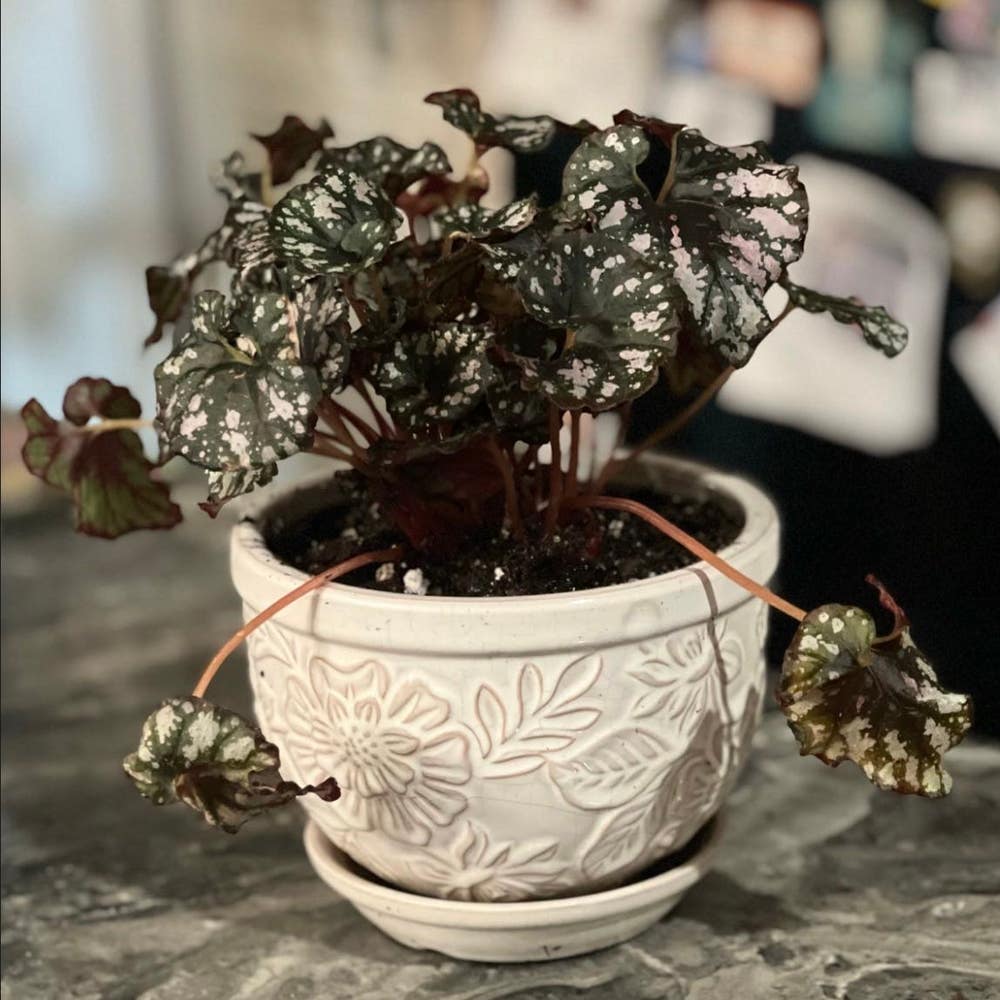
🎨 Light Requirements For Your Painted-Leaf Begonia
Begonia rex
By the Greg Editorial Team
Sep 29, 2024•4 min read
This article was created with the help of AI so we can cover more plants for you. May contain errors. See one? Report it here.
- 🌞 Bright, indirect light for 6-8 hours daily is vital for vibrant painted-leaf begonias.
- 🌿 Low light leads to faded colors and stunted growth; monitor light conditions regularly.
- 💡 Grow lights can supplement natural light, ensuring your begonia thrives year-round.
Importance of Light for Growth
🌱 Role of Light in Plant Growth
Light is the lifeblood of your painted-leaf begonia. Through photosynthesis, plants convert light energy into chemical energy, fueling their growth and vitality.
Bright, indirect light is particularly crucial for enhancing the vivid colors of the leaves. This exposure not only supports healthy growth but also brings out the stunning hues that make these plants so appealing.
Ideal Light Conditions for Indoor Growth
Bright Indirect Light 🌞
For your painted-leaf begonia to thrive, it needs 6-8 hours of bright, indirect light daily. This exposure not only fuels its growth but also enhances the vivid colors that make these plants so captivating.
Position your begonia near east or north-facing windows. These locations provide the perfect balance of light without the harshness that can scorch the leaves.
Low Light Conditions 🌑
While painted-leaf begonias can tolerate lower light conditions, they may lose some of their vibrancy. If you notice stretched stems, smaller leaves, or faded colors, it’s a sign that your plant isn’t getting enough light.
In such cases, consider relocating your begonia to a brighter spot. A little extra light can go a long way in restoring its lush appearance and overall health.
With the right light conditions, your painted-leaf begonia will flourish, setting the stage for a vibrant indoor garden. Next, let’s explore the ideal light conditions for outdoor growth.
Ideal Light Conditions for Outdoor Growth
🌤️ Outdoor Light Exposure
For your painted-leaf begonia, the ideal outdoor light conditions are all about balance. Aim for partial shade or filtered sunlight to keep those vibrant leaves looking their best.
Direct sunlight can be a real enemy. Harsh midday rays can scorch the leaves, leading to unsightly damage.
🍂 Seasonal Considerations
As the seasons change, so do your plant's light needs. In summer, provide extra shade since the sun's intensity increases.
During winter, your begonia may crave more light due to shorter days. Keep an eye on its growth and adjust its position accordingly to ensure it thrives year-round.
With the right outdoor light conditions, your painted-leaf begonia will flourish beautifully. Now, let’s explore how to spot signs of inadequate light exposure.
Signs of Inadequate Light Exposure
🌱 Symptoms of Low Light
If your painted-leaf begonia isn’t thriving, it might be a sign of inadequate light. One of the first symptoms to notice is leaf drop, especially the older leaves, which can be disheartening.
Another telltale sign is color fading. The vibrant hues of your plant may dull, losing that eye-catching appeal. Additionally, you might observe stunted growth; the plant may produce smaller leaves and grow at a slower rate.
💡 Adjustments Needed
To revive your begonia, consider relocating it to a brighter area. A spot with more indirect light can make a world of difference.
If moving isn’t an option, think about supplemental lighting. Grow lights can provide the extra boost your plant needs to flourish, ensuring it remains healthy and colorful.
By paying attention to these signs and making necessary adjustments, you can help your painted-leaf begonia thrive in its environment. Next, let’s explore how to effectively use grow lights to support your plant’s growth.
Using Grow Lights
🌟 Benefits of Grow Lights for Indoor Painted-Leaf Begonia
Grow lights are a game-changer for your painted-leaf begonia, especially during those gloomy months when natural light is scarce. They provide the supplemental light your plant craves, ensuring it thrives even in low-light conditions.
With the right grow lights, you can maintain the vibrant colors of your begonia's leaves. This consistent light source promotes healthy growth, allowing your plant to flourish and showcase its stunning foliage.
💡 Placement and Duration of Grow Light Exposure
For optimal results, position your grow light 12-24 inches above your begonia. This distance helps prevent leaf burn while ensuring your plant receives adequate light.
Aim for 12-14 hours of light exposure daily. This duration mimics natural sunlight and supports robust growth, keeping your painted-leaf begonia happy and healthy.
By integrating grow lights into your care routine, you can create an ideal environment for your plant. This proactive approach not only enhances its beauty but also boosts your gardening confidence.
As you explore the world of grow lights, you'll discover how they can transform your indoor gardening experience. Next, let’s dive into the signs of inadequate light exposure and how to recognize when your plant needs a little extra care.
⚠️ Safety First
This content is for general information and may contain errors, omissions, or outdated details. It is not medical, veterinary advice, or an endorsement of therapeutic claims.
Always consult a qualified healthcare professional before using any plant as food, medicine, or supplement.
Never eat any plant (or feed one to pets) without confirming its identity with at least two trusted sources.
If you suspect poisoning, call Poison Control (800) 222-1222, the Pet Poison Helpline (800) 213-6680, or your local emergency service immediately.
Spotted an error? Please report it here.
Keep your painted-leaf begonia radiant and healthy 🌈 by using Greg's personalized light reminders to ensure it gets the bright, indirect light it craves for stunning colors!