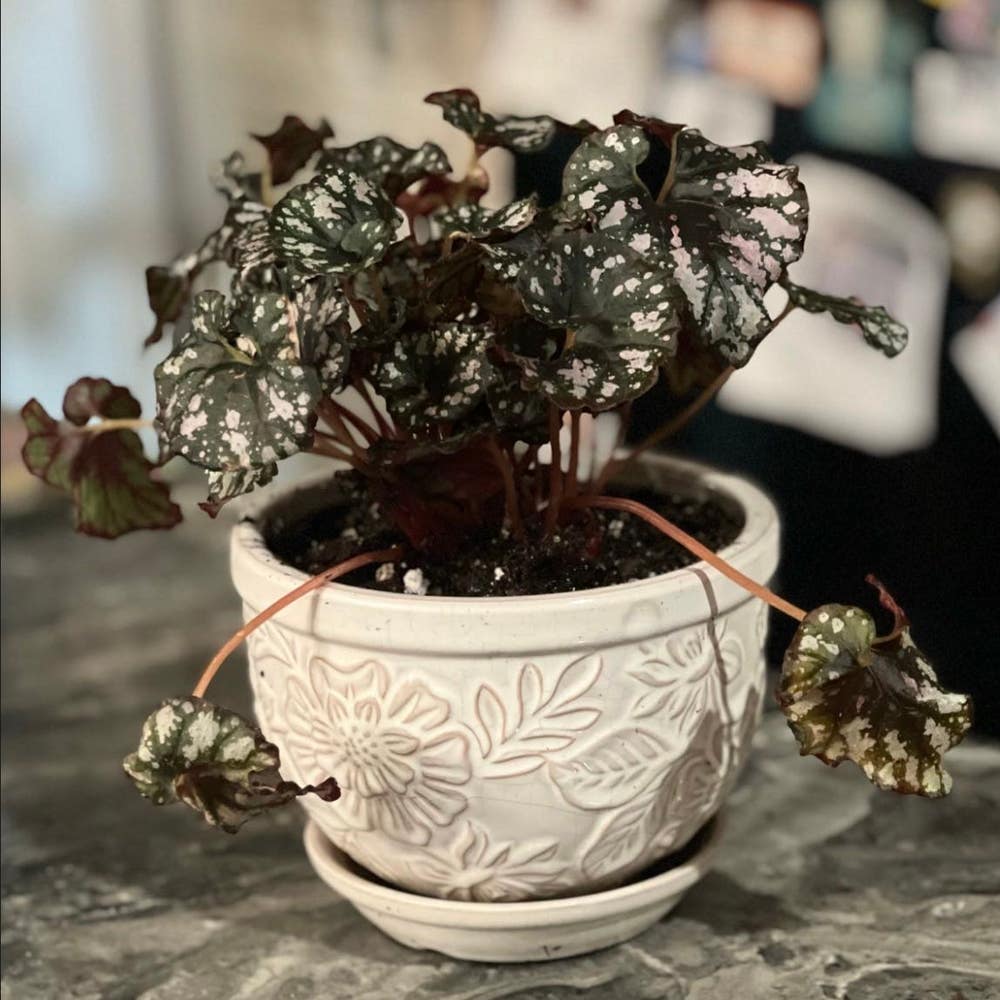
Reasons Your Painted-Leaf Begonia Leaves Are Turning Yellow 🍂
Begonia rex
By the Greg Editorial Team
Sep 29, 2024•5 min read
This article was created with the help of AI so we can cover more plants for you. May contain errors. See one? Report it here.
- 💧 Overwatering and underwatering are primary causes of yellowing leaves in begonias.
- 🌞 Bright, indirect sunlight is essential; insufficient light leads to yellowing foliage.
- 🌱 Nutrient deficiencies like nitrogen and magnesium can stunt growth and cause yellowing.
Causes of Yellowing Leaves
💧 Overwatering and Its Effects
Overwatering is a common culprit behind yellowing leaves in painted-leaf begonias. Symptoms include yellowing, particularly of the lower leaves, wilting even when the soil is wet, and root rot that results in a mushy texture.
To combat this, ensure your plant is in well-draining soil. This is crucial for preventing root rot and maintaining healthy foliage.
🚰 Underwatering and Its Symptoms
On the flip side, underwatering can also lead to yellowing leaves. Signs include crispy, dry leaves that may curl, leaf drop—especially of older leaves—and soil that pulls away from the pot edges.
To keep your plant thriving, allow the top inch of soil to dry out before watering. This simple practice can make a world of difference.
🥦 Nutrient Deficiencies
Nitrogen Deficiency
A lack of nitrogen manifests as general yellowing of older leaves and stunted growth. To remedy this, consider using a balanced NPK fertilizer with a higher nitrogen content.
Magnesium Deficiency
Magnesium deficiency shows up as yellowing between leaf veins, creating a mottled appearance, along with leaf curling and dropping. Epsom salt or magnesium-rich fertilizers can help restore balance.
🐛 Pest Infestations
Aphids
Aphids can wreak havoc on your begonias, leaving behind a sticky residue and causing distorted new growth. Control methods include using insecticidal soap or neem oil.
Spider Mites
These tiny pests create fine webbing on leaves and cause yellow speckling. Increasing humidity and applying miticides can effectively manage spider mite infestations.
🍄 Fungal Infections
Powdery Mildew
Powdery mildew appears as white, powdery spots on leaves, often accompanied by yellowing and curling. Treatment options include fungicides and improving air circulation around your plants.
Understanding these causes is essential for maintaining the health of your painted-leaf begonia. With the right care, you can prevent yellowing leaves and enjoy vibrant, lush foliage.
Diagnosing Yellow Leaves
🌊 Identifying Signs of Overwatering
To determine if your painted-leaf begonia is suffering from overwatering, start by checking the soil. If it feels soggy and you notice signs of root rot, it’s time to reassess your watering habits.
Next, observe the leaves. Soft and mushy leaves indicate too much water, while firm leaves suggest a healthier state.
🌵 Recognizing Underwatering Symptoms
Underwatering can also lead to yellowing leaves. Look for crispy, dry leaves that may curl at the edges.
Additionally, check the soil moisture. If the soil pulls away from the pot edges, it’s a clear sign that your plant needs a drink.
🐛 Checking for Pests and Diseases
Regular inspections are crucial for maintaining plant health. Check the undersides of leaves for pests like aphids or spider mites.
Also, keep an eye out for any signs of fungal infections, such as discoloration or unusual spots. Early detection can save your plant from serious damage.
☀️ Assessing Light Conditions
Light plays a vital role in your plant's health. Painted-leaf begonias thrive in bright, indirect sunlight.
If your plant is leggy or showing yellowing leaves, it might not be getting enough light. Adjusting its position can make a significant difference in its overall well-being.
By diagnosing these issues early, you can take proactive steps to restore your painted-leaf begonia to its vibrant self. Next, let’s explore effective treatment solutions to address these yellowing leaves.
Treatment Solutions
Adjusting Watering Practices 🌊
Establishing a consistent watering schedule is crucial for your painted-leaf begonia. Use the finger test: water only when the top inch of soil feels dry.
Ensure proper drainage to prevent waterlogging. This simple step can save your plant from root rot and yellowing leaves.
Fertilizing for Nutrient Deficiencies 🌱
To address nutrient deficiencies, apply a balanced fertilizer every 4-6 weeks during the growing season. For magnesium deficiency, mix 1 tablespoon of Epsom salt per gallon of water and apply it to your plant.
Pest Control Methods 🐛
For pest control, consider using insecticidal soap. Spray every 7-10 days until the pests are gone to keep your plant healthy.
Alternatively, neem oil is effective. Mix 2 tablespoons per gallon of water and spray the affected areas to combat infestations.
Treating Fungal Infections 🍄
When dealing with fungal infections, apply fungicides according to the product instructions.
Improving air circulation is also essential; space your plants adequately and avoid overcrowding to reduce the risk of fungal issues.
These treatment solutions will help your painted-leaf begonia thrive. Next, let’s explore preventative measures to keep your plant healthy in the long run.
Preventative Measures
Best Watering Practices 💧
Water your painted-leaf begonia thoroughly, ensuring that excess water can drain away. Always opt for pots with drainage holes to prevent standing water, which can lead to root rot.
Ideal Soil Mix and Drainage 🌱
For optimal growth, use a soil mix of 2 parts potting soil, 1 part perlite, and 1 part peat moss. This combination promotes excellent drainage, crucial for preventing root rot.
Maintaining Proper Humidity Levels 🌫️
To keep your begonia happy, consider using humidity trays or misting the leaves regularly. A hygrometer can help you monitor humidity levels, ensuring your plant thrives in a suitable environment.
Regular Inspection for Pests and Diseases 🔍
Schedule bi-weekly inspections to catch any pests or diseases early. Keeping a journal of your plant's health can help you track changes and address issues promptly.
By implementing these preventative measures, you can create a nurturing environment for your painted-leaf begonia, minimizing the risk of yellowing leaves. Next, let’s explore effective treatment solutions to address any issues that may arise.
⚠️ Safety First
This content is for general information and may contain errors, omissions, or outdated details. It is not medical, veterinary advice, or an endorsement of therapeutic claims.
Always consult a qualified healthcare professional before using any plant as food, medicine, or supplement.
Never eat any plant (or feed one to pets) without confirming its identity with at least two trusted sources.
If you suspect poisoning, call Poison Control (800) 222-1222, the Pet Poison Helpline (800) 213-6680, or your local emergency service immediately.
Spotted an error? Please report it here.
Keep your painted-leaf begonia thriving 🌱 by using Greg's tailored reminders for watering and nutrients, ensuring those yellow leaves stay far away!