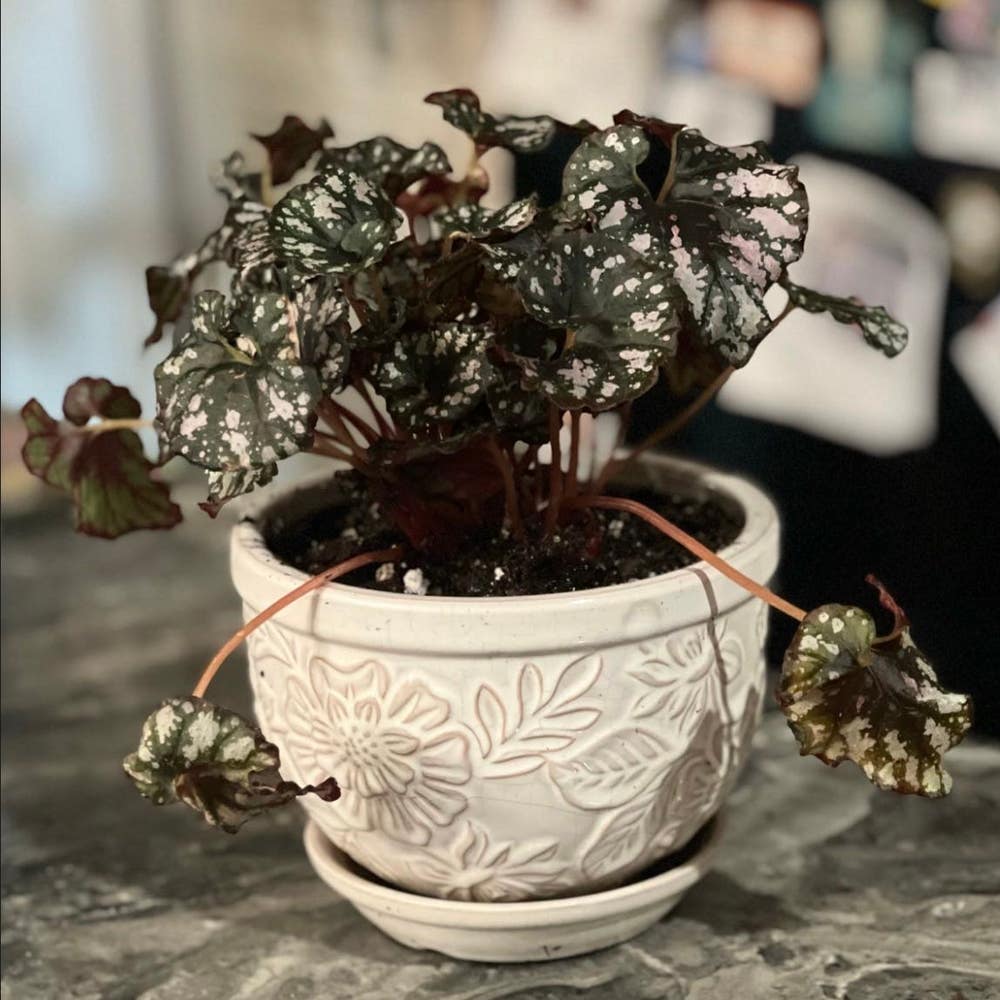
🎨 7 Outdoor Care Hacks for Painted-Leaf Begonia
Begonia rex
By the Greg Editorial Team
Sep 29, 2024•6 min read
This article was created with the help of AI so we can cover more plants for you. May contain errors. See one? Report it here.
- 🌞 Bright, indirect sunlight is essential; adjust if leaves fade or stretch.
- 💧 Consistently moist soil prevents yellowing leaves; check moisture 1-2 inches deep.
- 🌡️ Protect from extreme temperatures using covers; maintain humidity in winter for health.
Outdoor Care Requirements
🌞 Sunlight Needs
Painted-leaf begonias thrive in bright, indirect sunlight. If you notice the leaves fading or stretching towards light sources, it’s a sign they need more light.
During peak summer months, consider providing more shade to protect them from harsh rays. This simple adjustment can keep your plants healthy and vibrant.
💧 Watering Requirements and Techniques
To keep your painted-leaf begonia happy, maintain consistently moist soil without making it soggy. A good rule of thumb is to check the soil moisture by inserting your finger 1-2 inches deep.
When watering, do so thoroughly until you see it draining from the bottom. Watch for yellowing leaves or root rot, which indicate overwatering.
🌱 Soil Preferences and Fertilization
These begonias prefer well-draining soil rich in organic matter. To enhance drainage and nutrients, consider adding peat moss or compost.
Aim for a slightly acidic to neutral soil pH, ideally between 6.0 to 7.0. Fertilize every 4-6 weeks during the growing season with a balanced liquid fertilizer, like one with an NPK ratio of 10-10-10.
If you notice stunted growth or pale leaves, it might be a sign of nutrient deficiency. Regular monitoring can help you catch these issues early.
With these outdoor care requirements in mind, you’ll be well on your way to nurturing a thriving painted-leaf begonia. Next, let’s explore the best planting options for these beautiful plants.
Planting Options
🌱 Container vs. In-Ground Planting
When deciding between container and in-ground planting for your painted-leaf begonia, consider the unique benefits and drawbacks of each option.
Container Benefits
- Mobility: Containers allow you to easily move your plants to optimize sunlight exposure or provide protection from harsh weather.
- Controlled Environment: They offer better drainage and soil quality, making it easier to manage the growing conditions.
Container Drawbacks
- Limited Root Space: Containers can restrict root growth, necessitating more frequent watering.
- Temperature Sensitivity: The soil in containers heats up quickly, which can stress the plant during hot spells.
In-Ground Benefits
- Natural Growth: Planting in the ground gives roots more space to expand, promoting healthier growth.
- Less Frequent Watering: In-ground plants typically retain moisture better, reducing the need for constant watering.
In-Ground Drawbacks
- Less Control Over Soil Quality: You may need to amend the soil to ensure it meets the begonia's needs.
- Vulnerability to Pests and Diseases: In-ground plants can be more susceptible to pests and diseases, requiring vigilant monitoring.
🪴 Recommended Container Size
If you opt for container planting, choose a pot that is at least 12 inches in diameter. This size provides adequate root space, helping your painted-leaf begonia thrive.
Understanding these planting options will help you make an informed decision that suits your gardening style and the specific needs of your begonia. Next, let’s explore how to protect your plants from environmental factors.
Protection from Environmental Factors
🌤️ Weather Protection Strategies
Shielding your painted-leaf begonia from extreme temperatures is crucial for its health. During heatwaves, consider using row covers or shade cloth to provide relief from the scorching sun.
For frost protection, especially in cooler months, bring your containers indoors or cover them with frost cloth. This simple step can save your plants from chilly damage.
Mulching is another effective strategy. Applying organic mulch around in-ground plants helps regulate soil temperature, keeping roots cozy and protected.
🐞 Pest Management
Outdoor pests can be a real headache for your begonias. Common culprits include aphids, spider mites, and whiteflies, which can quickly turn a thriving plant into a struggling one.
To prevent infestations, conduct regular inspections. Check the underside of leaves where pests like to hide.
Introducing natural predators, such as ladybugs or lacewings, can also help keep pest populations in check. These beneficial insects are nature's little warriors.
If you do encounter an infestation, treatment options like neem oil or insecticidal soap can be effective. Just be sure to follow the instructions carefully for the best results.
🦠 Common Diseases and Prevention
Being aware of common diseases is key to maintaining your painted-leaf begonia. Watch out for powdery mildew and root rot, which can wreak havoc if left unchecked.
To prevent these issues, ensure proper spacing between plants. This allows for good air circulation, reducing the risk of fungal diseases.
Additionally, avoid overhead watering. Watering at the base minimizes leaf wetness, which is a breeding ground for many diseases.
By implementing these protective measures, you can keep your begonias thriving through various environmental challenges. Next, let’s explore how seasonal changes impact their care.
Seasonal Care
Seasonal Changes and Their Impact 🌦️
As the seasons shift, so do the needs of your painted-leaf begonia. In spring, you'll want to ramp up watering and fertilization as the plant awakens from dormancy.
During summer, keep a close eye on moisture levels and watch for pests that thrive in warmer weather.
As fall approaches, gradually reduce watering; the cooler temperatures signal a slowdown in growth.
In winter, your begonia enters a dormancy period, requiring significantly less water to thrive.
Winter Care Tips ❄️
When frost threatens, it's time to transition your containers indoors. Make sure to move them before the first chill hits.
Maintain indoor temperatures above 15°C (59°F) to keep your plant happy and healthy.
Humidity is crucial during winter months, so consider using a humidifier or placing pebble trays filled with water near your begonias to maintain moisture levels.
By following these seasonal care tips, you can ensure your painted-leaf begonia remains vibrant and thriving throughout the year.
Next, let’s explore how climate zones can influence your outdoor care strategies.
Climate Zone Considerations
🌍 Best climate zones
For outdoor growth, painted-leaf begonias thrive best in USDA zones 10-11. If you're in cooler zones, you might need to treat them as annuals or bring them indoors during colder months.
🌡️ Adjusting care based on climate
In hot climates, increase watering and provide shade during peak sun hours. Conversely, in cooler climates, ensure your plants are protected from frost and cold winds.
⛈️ Tips for extreme weather conditions
During heatwaves, offering afternoon shade and boosting watering frequency can help your begonias survive. For cold snaps, use protective coverings and consider moving pots indoors to shield them from harsh temperatures.
With these climate considerations in mind, you can ensure your painted-leaf begonias flourish no matter the weather. Next, let’s explore seasonal care to keep your plants thriving throughout the year.
⚠️ Safety First
This content is for general information and may contain errors, omissions, or outdated details. It is not medical, veterinary advice, or an endorsement of therapeutic claims.
Always consult a qualified healthcare professional before using any plant as food, medicine, or supplement.
Never eat any plant (or feed one to pets) without confirming its identity with at least two trusted sources.
If you suspect poisoning, call Poison Control (800) 222-1222, the Pet Poison Helpline (800) 213-6680, or your local emergency service immediately.
Spotted an error? Please report it here.
Transform your painted-leaf begonias into vibrant showstoppers 🌟 with Greg's tailored watering alerts and expert care tips that keep them thriving all season!