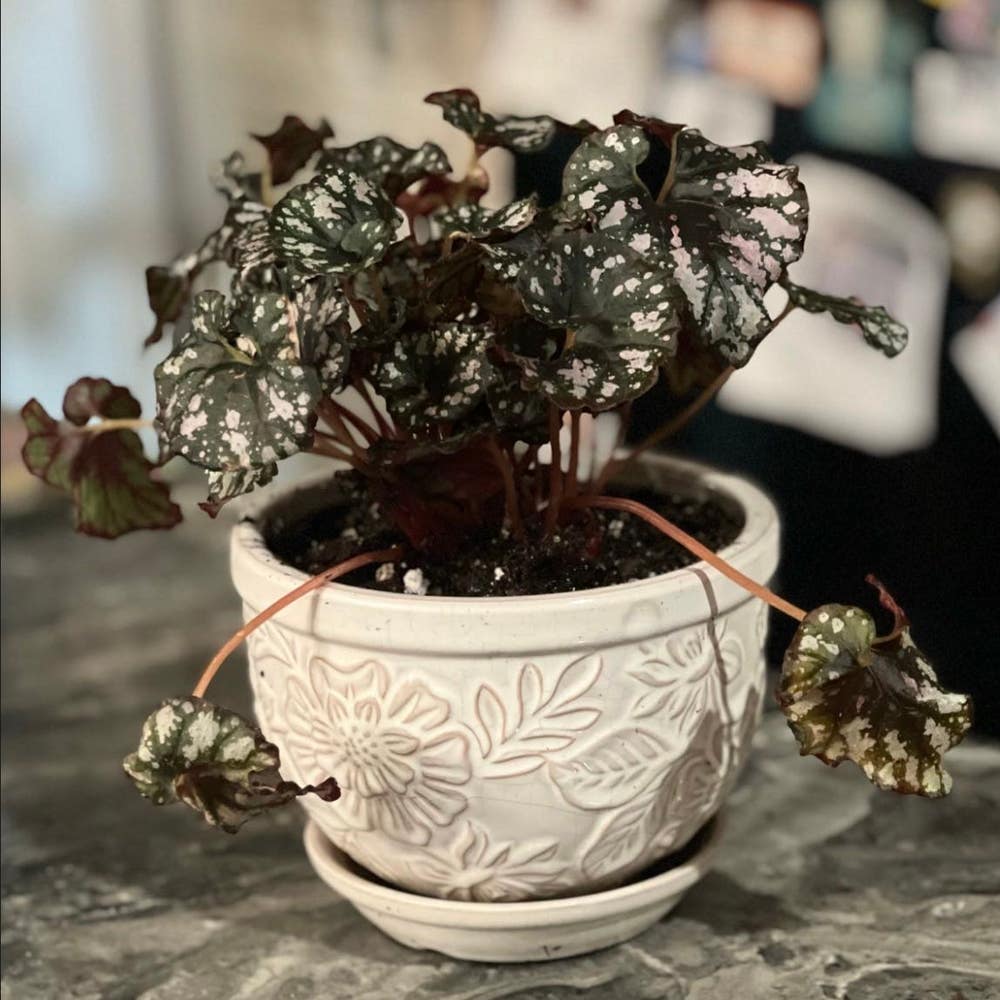
🎨 How to Grow Painted-Leaf Begonia Indoors
Begonia rex
By the Greg Editorial Team
Sep 29, 2024•5 min read
This article was created with the help of AI so we can cover more plants for you. May contain errors. See one? Report it here.
- 🌞 Bright, indirect light for 12-14 hours is essential for painted-leaf begonias.
- 💧 Water when the top inch is dry to prevent root rot and leaf drop.
- 🌿 Use well-draining soil and pots with holes for optimal moisture management.
Light Requirements
Ideal Indoor Light Levels 🌞
Painted-leaf begonias thrive in bright, indirect light. Direct sunlight can scorch their delicate leaves, so aim for 12-14 hours of filtered light each day.
Using Grow Lights for Optimal Growth 💡
When natural light falls short, grow lights become essential. They effectively supplement light, especially in dimly lit spaces.
How to Choose the Best Grow Light 🛠️
Selecting the right grow light involves a few key factors.
Light Spectrum
Full-spectrum lights are ideal as they mimic natural sunlight, promoting robust growth.
Wattage
Aim for 20-40 watts per square foot to ensure your begonias receive adequate energy.
Placement and Duration
Position your grow light 12-24 inches above the plant. Maintain a duration of 12-14 hours daily for optimal growth.
Understanding these light requirements will set your painted-leaf begonia on the path to thriving indoors. Next, let’s explore the essential watering guidelines and soil type to keep your plant healthy.
Watering Guidelines and Soil Type
Watering Needs 🌊
Watering your painted-leaf begonia is straightforward. Check the top inch of soil; if it feels dry, it’s time to water.
Be cautious of overwatering. Signs include yellowing leaves, wilting, and even root rot, which can quickly turn your plant's health around.
Soil Type and Potting Recommendations 🪴
For optimal growth, use a well-draining potting mix, ideally one that contains peat and perlite. This combination helps retain moisture while allowing excess water to escape.
When potting, always choose pots with drainage holes to prevent waterlogging. Additionally, consider repotting every 1-2 years to refresh the soil and encourage robust growth.
With the right watering and soil conditions, your painted-leaf begonia will thrive beautifully. Next, let’s explore how to keep your plant nourished with a proper fertilization schedule.
Fertilization Schedule and Types
Fertilization for Begonias 🌱
To keep your painted-leaf begonia thriving, a consistent fertilization schedule is key. Aim to fertilize every 4-6 weeks during the growing season, which spans spring and summer.
Types of Fertilizers 🧪
When it comes to fertilizers, you have a couple of solid options.
Balanced Liquid Fertilizer: A diluted balanced liquid fertilizer, like a 20-20-20 mix, works wonders. Just remember to dilute it to half strength to avoid overwhelming your plant.
Slow-Release Granules: Applying slow-release granules at the beginning of the growing season can provide a steady supply of nutrients. This method is particularly convenient, as it reduces the frequency of applications.
By following these guidelines, your begonia will be well-fed and ready to flourish. Next, let’s dive into common issues and solutions to keep your plant healthy and vibrant.
Common Issues and Solutions
🐛 Identifying and Preventing Pests
Common pests that can plague your painted-leaf begonia include aphids, spider mites, and mealybugs. Regular inspections are key; keep an eye on the undersides of leaves and stems to catch any infestations early.
To maintain plant health, ensure your begonias are well-watered and properly fertilized. A healthy plant is less likely to attract pests, so prioritize good care practices.
🍂 Addressing Leaf Drop and Discoloration
Leaf drop can be alarming, but it often stems from overwatering, underwatering, or insufficient light. Check your watering schedule and adjust your light exposure to see if conditions improve.
If leaves are turning yellow, it may indicate a need for more light or a change in your watering habits. A little tweak can make a big difference in your plant's health.
💧 Solutions for Overwatering and Root Rot
Root rot is a serious issue, often signaled by mushy roots and a foul odor. If you suspect root rot, allow the soil to dry out completely and consider repotting in fresh, well-draining soil.
Improving drainage is crucial; ensure your pot has adequate holes and consider adding perlite to your soil mix. This will help prevent future issues and keep your begonia thriving.
🌬️ Managing Humidity-Related Issues
Low humidity can lead to leaf curling and browning edges, which can be distressing to see. If you notice these symptoms, it’s time to boost the humidity around your plant.
Using a humidifier or placing a pebble tray filled with water beneath your pot can create a more favorable environment. Your begonia will appreciate the extra moisture, and you’ll enjoy its vibrant leaves even more.
By addressing these common issues proactively, you can ensure your painted-leaf begonia remains healthy and beautiful. Next, let’s explore the best placement options to enhance both the plant's growth and your home’s aesthetics.
Placement and Aesthetics
Best Locations in the Home 🌅
Finding the right spot for your painted-leaf begonia is crucial. East or north-facing windows are ideal, providing bright, indirect light that keeps your plant happy.
Avoid placing your begonia in areas with direct sunlight or cold drafts. These conditions can lead to leaf scorch or stress, which you definitely want to avoid.
Tips for Maintaining Appearance 🧼
To keep your begonia looking its best, regular cleaning is essential. Wipe the leaves with a damp cloth to remove dust and allow the plant to breathe.
Pruning is another key aspect of maintenance. Trim away any dead or yellowing leaves to encourage new growth and maintain a vibrant appearance.
Companion Plants 🌿
Consider pairing your painted-leaf begonia with other humidity-loving plants like ferns and peace lilies. These companions not only enhance the humidity around your begonia but also create a visually appealing arrangement.
The right companions can elevate your indoor garden, making it a lush and inviting space. With the right placement and care, your painted-leaf begonia will thrive beautifully.
Next, let’s dive into the watering guidelines and soil type to ensure your plant remains healthy and vibrant.
⚠️ Safety First
This content is for general information and may contain errors, omissions, or outdated details. It is not medical, veterinary advice, or an endorsement of therapeutic claims.
Always consult a qualified healthcare professional before using any plant as food, medicine, or supplement.
Never eat any plant (or feed one to pets) without confirming its identity with at least two trusted sources.
If you suspect poisoning, call Poison Control (800) 222-1222, the Pet Poison Helpline (800) 213-6680, or your local emergency service immediately.
Spotted an error? Please report it here.
Transform your indoor space with thriving painted-leaf begonias 🌿 by using Greg's custom care reminders to keep them happy and healthy in their perfect light and watering conditions!