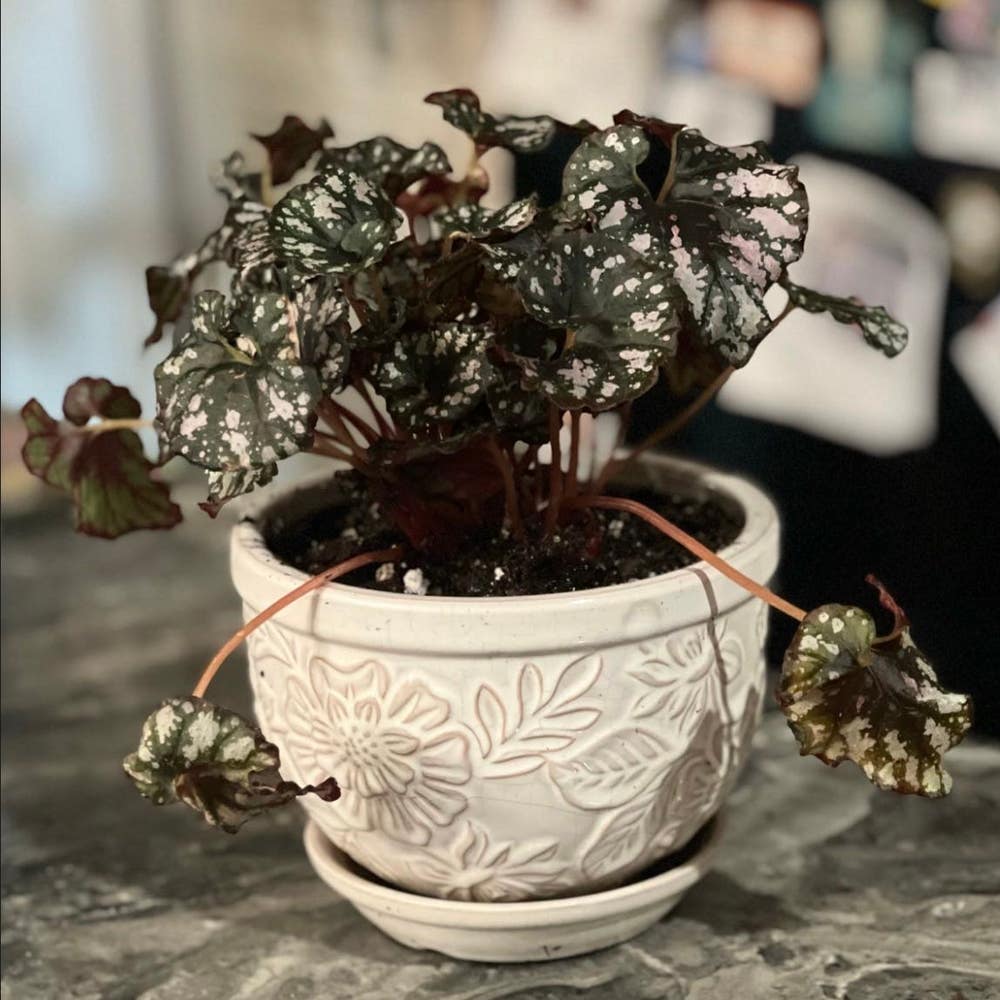
☀️ Ultimate Guide to Direct Sunlight for Painted-Leaf Begonia
Begonia rex
By the Greg Editorial Team
Sep 29, 2024•5 min read
This article was created with the help of AI so we can cover more plants for you. May contain errors. See one? Report it here.
- 🌞 Painted-Leaf Begonias need bright, filtered light to avoid leaf burn and fading.
- 🪟 Window direction matters: South and West require filtering; East is ideal.
- 🌍 Climate and season affect sunlight; adjust placement for optimal growth year-round.
Sunlight Tolerance of Painted-Leaf Begonia
🌞 Can Painted-Leaf Begonia Tolerate Direct Sunlight?
Painted-Leaf Begonias are not fans of direct sunlight. Exposure can lead to serious risks, including leaf burn and fading colors that diminish their vibrant beauty.
⚠️ Signs of Stress from Too Much Sun
Window Direction and Its Impact
🌞 How Window Direction Affects Sunlight Exposure
The direction of your windows plays a crucial role in how much sunlight your Painted-Leaf Begonia receives. South-facing windows bask in the most direct sunlight throughout the day, making them ideal for sun-loving plants but potentially harsh for your begonia.
In contrast, north-facing windows typically provide indirect light, which is perfect for shade-loving plants. This softer light can help maintain the vibrant colors of your begonia without the risk of leaf burn.
🪴 Best Window Directions for Painted-Leaf Begonia
For optimal growth, east-facing windows are your best bet. They offer gentle morning sunlight, which is beneficial for your Painted-Leaf Begonia, allowing it to thrive without the risk of scorching.
Be cautious with west-facing windows; while they provide strong afternoon light, it can be too intense for your plant. If you choose this direction, consider filtering the light to protect your begonia.
☀️ Examples of Sunlight Intensity Based on Window Orientation
Understanding sunlight intensity based on window orientation can help you make informed decisions.
- South-facing: Expect strong, direct sunlight that may require filtering to prevent damage.
- East-facing: Enjoy moderate light that is suitable for your Painted-Leaf Begonia, promoting healthy growth.
- North-facing: This direction offers low light, which may not provide enough brightness for your plant to flourish.
By strategically placing your begonia based on window direction, you can create an environment that supports its vibrant colors and overall health. This thoughtful approach will set the stage for the next section, where we explore geographic considerations that further influence sunlight exposure.
Geographic Considerations
🌍 Role of Hemisphere in Sunlight Exposure
The hemisphere you live in significantly influences how much sunlight your Painted-Leaf Begonia receives. In the Northern Hemisphere, longer summer days mean more intense sunlight, which can be a challenge for this delicate plant.
Conversely, the Southern Hemisphere experiences different seasonal patterns. Here, you may need to adjust your care routine to accommodate varying light conditions throughout the year.
☀️ How Climate Affects Sunlight Intensity and Duration
Climate plays a crucial role in determining sunlight intensity and duration. In tropical climates, sunlight is consistent year-round, making careful placement essential to avoid overwhelming your begonia.
In temperate climates, seasonal variations mean you’ll need to adjust light exposure as the seasons change. Be prepared to move your plant to ensure it gets the right amount of light throughout the year.
📍 Tips for Adjusting Care Based on Geographic Location
To keep your Painted-Leaf Begonia thriving, monitor local weather patterns closely. Adjusting your plant's placement according to these patterns can make a significant difference in its health.
Using light meters can also help you assess sunlight intensity in different seasons. This way, you can fine-tune your care and ensure your begonia gets the light it needs without the risk of stress.
Understanding these geographic considerations will empower you to create the ideal environment for your Painted-Leaf Begonia, setting the stage for vibrant growth and stunning colors.
Practical Tips for Plant Parents
🌞 How to Assess Sunlight Conditions in Your Home
To ensure your Painted-Leaf Begonia thrives, start by observing light patterns throughout the day. A simple test is to place your hand in the light; if you see a clear shadow, it’s direct sunlight.
📍 Adjusting Placement for Optimal Light Exposure
Position your plant closer to windows that provide the right light conditions. Additionally, rotating the plant periodically helps ensure even light exposure, promoting balanced growth.
🪟 Using Sheer Curtains or Blinds to Filter Light
Filtering direct sunlight is crucial for protecting your plant's leaves from burn. Opt for sheer fabrics that diffuse light without completely blocking it, allowing your begonia to bask in the gentle glow it loves.
By following these practical tips, you can create an ideal environment for your Painted-Leaf Begonia, ensuring it remains vibrant and healthy. Next, let’s explore some common misconceptions about sunlight and begonias.
Common Misconceptions
🌞 Myths About Painted-Leaf Begonia and Sunlight
One common misconception is that all begonias thrive in direct sunlight. In reality, Painted-Leaf Begonia prefers bright, filtered light to flourish.
💡 Clarifying the Need for Bright but Filtered Light
Bright light is crucial for maintaining the vibrant colors of Painted-Leaf Begonia leaves. However, direct exposure can lead to stress and damage, so finding that sweet spot is essential.
To achieve the right balance, consider placing your plant near a window with filtered light. Using sheer curtains can help diffuse harsh rays while still allowing enough brightness for your begonia to thrive.
Understanding these nuances will ensure your Painted-Leaf Begonia remains healthy and stunning. With the right light conditions, you can enjoy its beautiful foliage without the risk of sunburn.
Next, let’s explore how window direction impacts sunlight exposure for your beloved plant.
⚠️ Safety First
This content is for general information and may contain errors, omissions, or outdated details. It is not medical, veterinary advice, or an endorsement of therapeutic claims.
Always consult a qualified healthcare professional before using any plant as food, medicine, or supplement.
Never eat any plant (or feed one to pets) without confirming its identity with at least two trusted sources.
If you suspect poisoning, call Poison Control (800) 222-1222, the Pet Poison Helpline (800) 213-6680, or your local emergency service immediately.
Spotted an error? Please report it here.
Ensure your Painted-Leaf Begonia flourishes with perfectly filtered light 🌿 by using Greg's tailored care tips and light monitoring features to keep its vibrant colors shining bright!