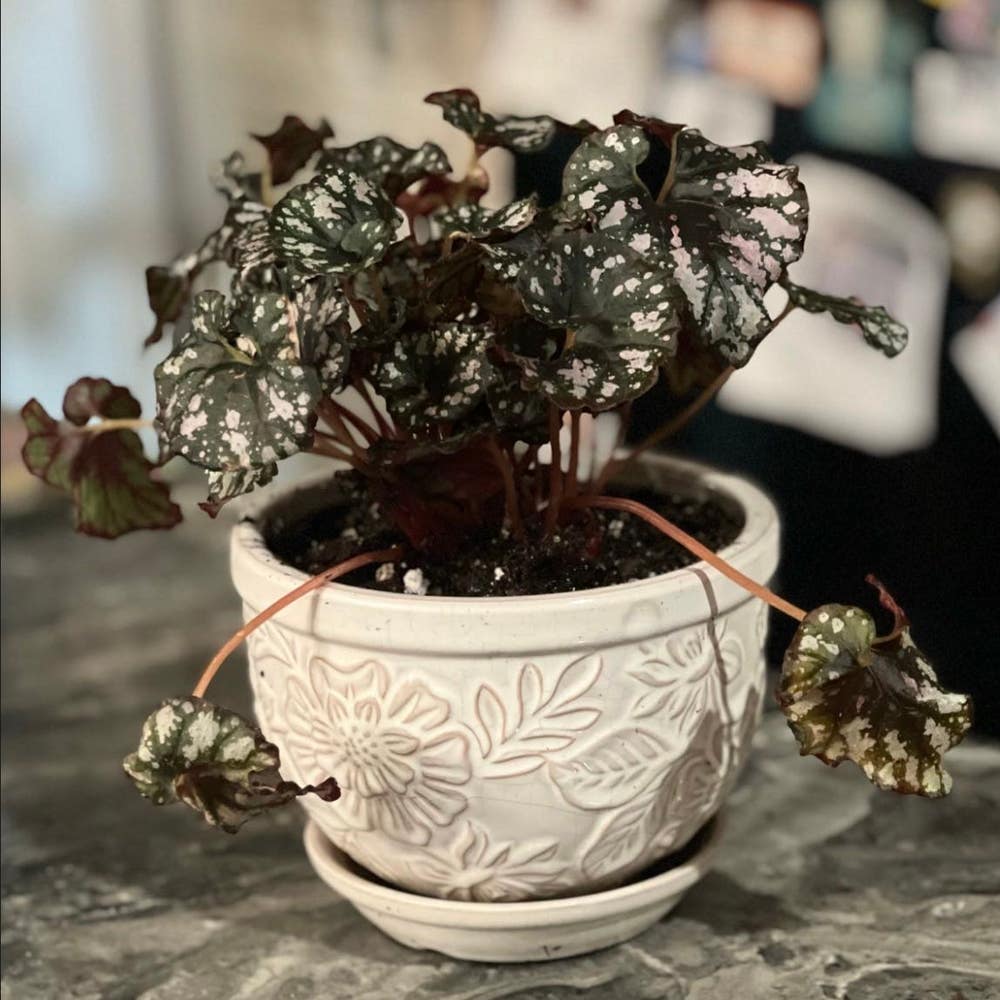
🎨 Painted-Leaf Begonia Roots 101
Begonia rex
By the Greg Editorial Team
Sep 29, 2024•6 min read
This article was created with the help of AI so we can cover more plants for you. May contain errors. See one? Report it here.
- 🌱 Painted-Leaf Begonias have shallow, fibrous roots for efficient nutrient absorption.
- 💧 Soil moisture and drainage are vital to prevent root rot and promote health.
- 🌿 Repot every 1-2 years to avoid rootbound conditions and ensure growth.
Root System Characteristics
🌱 Type of Root System
The Painted-Leaf Begonia features a fibrous root system that is both shallow and extensive. This unique structure allows the plant to spread its roots widely, maximizing its ability to absorb nutrients from the upper layers of soil.
These roots are specially adapted for efficient nutrient uptake. Their design enables the plant to thrive in various conditions, making it resilient and capable of flourishing even in less-than-ideal environments.
🔍 Specific Characteristics
The root structure consists of fine, hair-like roots that excel at absorption. These delicate roots increase the surface area, enhancing the plant's ability to gather moisture and nutrients.
However, the health of these roots is sensitive to environmental factors. Soil type and moisture levels play crucial roles in determining root vitality, impacting overall plant health and growth.
Root Depth and Spread
🌱 Growth Patterns
The Painted-Leaf Begonia boasts a shallow root system, typically extending within the top 6-12 inches of soil. This shallow depth allows for extensive lateral growth, maximizing nutrient absorption from the surrounding soil.
🌍 Influencing Factors
Soil composition plays a crucial role in the health of these roots. Well-draining soil is essential to prevent waterlogging and promote healthy growth.
Environmental conditions also significantly impact root development. Factors like temperature, humidity, and light exposure can either enhance or hinder the plant's ability to thrive.
Understanding these elements is vital for nurturing a robust Painted-Leaf Begonia. By ensuring optimal soil and environmental conditions, you can support a flourishing root system that leads to a vibrant plant.
Next, we’ll explore how to effectively water and fertilize your Painted-Leaf Begonia to further enhance its growth.
Watering and Fertilizing
🌱 Root System's Impact on Watering Needs
Understanding the root system of your Painted-Leaf Begonia is crucial for effective watering. These plants thrive with a fibrous root system that requires consistent moisture but can easily suffer from overwatering.
To determine the right watering frequency, check the top inch of soil. If it feels dry, it’s time to water. Conversely, if the soil remains soggy, you may be overdoing it.
Watch for signs of distress: yellowing leaves often indicate overwatering, while wilting can signal underwatering. Adjust your watering habits accordingly to keep your plant healthy.
🌿 Fertilization Techniques
Fertilizing your Painted-Leaf Begonia is essential for robust root development. Opt for a balanced, water-soluble fertilizer that provides essential nutrients.
Application methods vary, but a common approach is to dilute the fertilizer in water and apply it during the growing season. This ensures your plant receives nutrients without overwhelming its roots.
Timing is key. Fertilize every 4-6 weeks during the active growing season, typically spring and summer. This regular feeding supports healthy growth and vibrant foliage.
Balanced nutrients are vital. They not only promote root health but also enhance overall plant vigor, making your begonia a stunning addition to your space.
With proper watering and fertilization, your Painted-Leaf Begonia will flourish, setting the stage for the next topic: common root issues. Understanding these challenges will help you maintain a thriving plant.
Common Root Issues
Identifying Problems 🌱
Painted-Leaf Begonias can face several root-related issues, including root rot, nutrient deficiencies, and pests. Recognizing the symptoms early can save your plant from serious damage.
Watch for signs like wilting leaves, yellowing foliage, and stunted growth. These indicators often signal that something is amiss with the root system.
Solutions and Prevention 🔧
To prevent root rot, adopt best practices for watering. Ensure you allow the top inch of soil to dry out before watering again, as soggy soil is a breeding ground for rot.
Improving drainage is crucial. Consider adding soil amendments like perlite or sand to enhance aeration and prevent waterlogging.
Regular inspection is key to maintaining root health. Check for pests and monitor soil moisture levels to catch issues before they escalate.
By staying proactive, you can keep your Painted-Leaf Begonia thriving and vibrant. Understanding these common root issues helps ensure your plant remains healthy and beautiful.
Next, let’s explore how to recognize and address rootbound conditions, which can also impact your plant's growth.
Recognizing and Addressing Rootbound Conditions
📖 Definition and Recognition
Rootbound refers to a condition where a plant's roots grow in a confined space, often circling around the pot. This can lead to stunted growth and overall poor health.
Signs of a rootbound Painted-Leaf Begonia include visible circling roots and a noticeable lack of growth. If your plant seems to be struggling despite proper care, it might be time to investigate.
🔧 Addressing Rootbound Issues
Timing is crucial when it comes to repotting. Generally, you should consider repotting every 1-2 years or whenever you notice signs of rootbound conditions.
Step-by-Step Guide for Repotting a Rootbound Painted-Leaf Begonia
- Choose a pot that is 1-2 inches larger in diameter than the current one.
- Gently remove the plant from its current pot, taking care not to damage the roots.
- Trim any circling roots and prune away any damaged ones to encourage healthy growth.
- Place the plant in the new pot with fresh, well-draining soil to promote root health.
- Water thoroughly and monitor for recovery, keeping an eye out for new growth.
By addressing rootbound conditions promptly, you can help your Painted-Leaf Begonia thrive. This proactive approach ensures that your plant has the space it needs to flourish, setting the stage for successful propagation and division in the future.
Propagation and Division
🌱 Importance of Root Health
Healthy roots are crucial for successful propagation of the Painted-Leaf Begonia. They not only support the plant's growth but also ensure that new divisions thrive.
Timing is key when it comes to propagation. The best practices involve doing this during the growing season, typically in spring or early summer, when the plant is most active.
✂️ Techniques for Division
Dividing your Painted-Leaf Begonia can rejuvenate the plant and promote healthy growth. Here’s a step-by-step guide to help you through the process:
- Select a healthy parent plant. Look for one that is robust and free from pests.
- Remove from pot and gently separate roots. Take care not to damage the delicate root system.
- Ensure each division has sufficient roots and leaves. This is vital for the new plants to establish themselves.
- Replant in suitable soil. Use fresh, well-draining soil to give your divisions the best start.
🌿 Tips for Successful Propagation
To maximize your success, pay attention to environmental conditions.
- Humidity: Keep the humidity levels high to encourage root development.
- Light: Provide bright, indirect light to support growth without scorching the leaves.
- Watering needs: Monitor moisture levels closely; the soil should be moist but not soggy.
By following these guidelines, you can ensure that your Painted-Leaf Begonia thrives and continues to bring beauty to your space.
Next, let’s explore common root issues that can arise and how to address them effectively.
⚠️ Safety First
This content is for general information and may contain errors, omissions, or outdated details. It is not medical, veterinary advice, or an endorsement of therapeutic claims.
Always consult a qualified healthcare professional before using any plant as food, medicine, or supplement.
Never eat any plant (or feed one to pets) without confirming its identity with at least two trusted sources.
If you suspect poisoning, call Poison Control (800) 222-1222, the Pet Poison Helpline (800) 213-6680, or your local emergency service immediately.
Spotted an error? Please report it here.
Unlock the secret to thriving Painted-Leaf Begonias 🌿 with Greg's tailored watering alerts and soil tips that keep those vital roots in top shape!