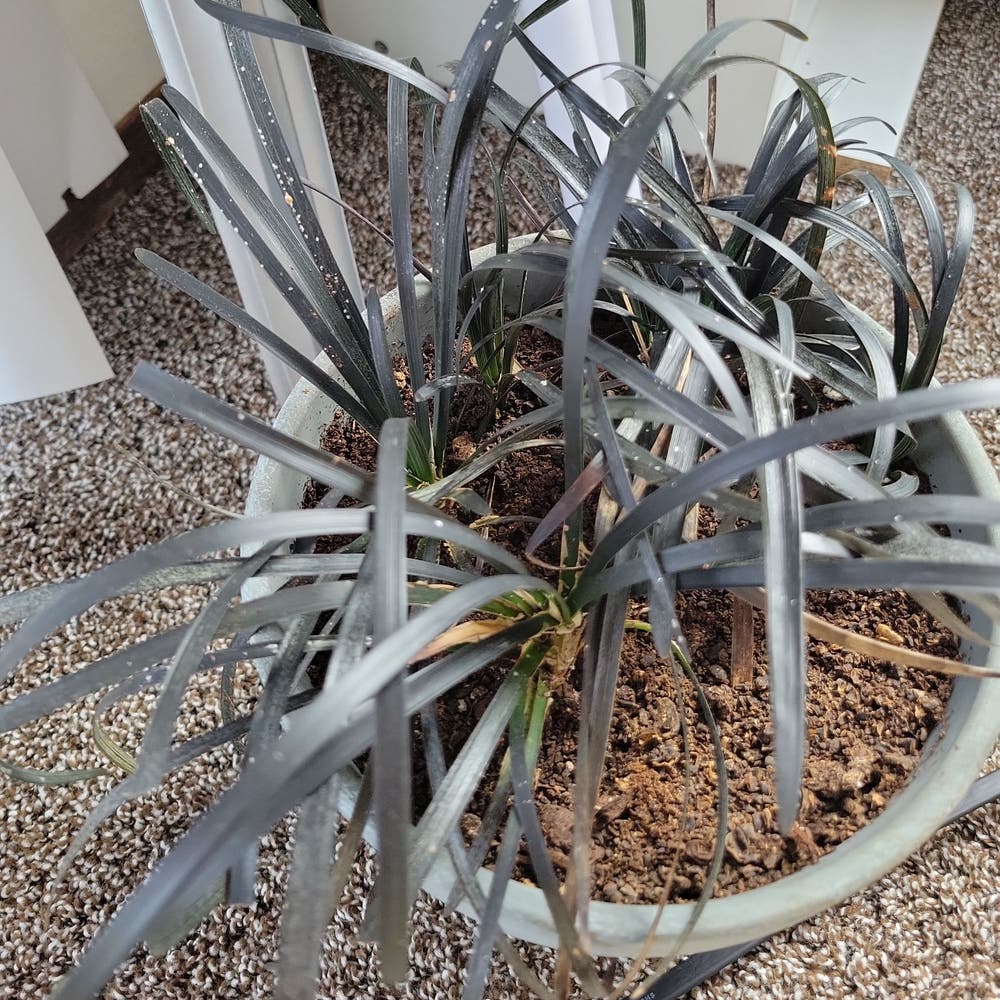
Where to Plant: Black Beard 🥄
Ophiopogon planiscapus 'Black Beard'
By the Greg Editorial Team
Nov 09, 2024•3 min read
This article was created with the help of AI so we can cover more plants for you. May contain errors. See one? Report it here.
Transform your garden with the ideal conditions for thriving Black Beard plants! 🌱🌿
- ☀️ Black Beard thrives in full sun, needing 6-8 hours of direct sunlight daily.
- 🌱 Well-draining, loamy soil with pH 6.0-7.0 is essential for optimal growth.
- 🌬️ Wind protection and spacing enhance health; plant 18-24 inches apart for air circulation.
Ideal Planting Locations
☀️ Sunlight Exposure Requirements
For optimal growth, Black Beard thrives in full sun to partial shade. Aim for 6-8 hours of direct sunlight daily to achieve vibrant foliage and robust growth.
In lower light conditions, this plant can adapt, but be cautious. Insufficient sunlight may lead to leggy growth and less dense foliage, diminishing its overall appeal.
🌱 Soil Type Preferences
Black Beard prefers well-draining soil to flourish. Loamy or sandy soils with good aeration are ideal, and a pH level between 6.0 and 7.0 is best for nutrient absorption.
Avoid heavy clay soils that retain moisture, as they can hinder growth. Incorporating organic matter is crucial for maintaining soil health and ensuring nutrient retention.
🌿 Proximity to Other Plants or Structures
Spacing is key when planting Black Beard. Aim for 18-24 inches apart to promote air circulation and prevent overcrowding.
Consider companion planting to enhance growth. Pairing with compatible species can boost health, while avoiding overcrowding helps prevent competition for essential resources.
📍 Assessing the Best Spot
🏡 Evaluating Garden Layout and Design
Planning your garden layout is essential for maximizing aesthetics and functionality. Position Black Beard thoughtfully, whether as a stunning focal point or a lush backdrop.
Take into account the plant's height and spread. Ensure there's ample space for growth without obstruction from nearby plants or structures.
🌤️ Identifying Microclimates
Understanding microclimates can significantly impact your planting success. These are areas with varying light, temperature, and moisture levels that can benefit your plants.
Look for sheltered spots that provide consistent moisture. Observing sun patterns and wind direction throughout the day can help you identify these microclimates effectively.
🌬️ Considering Wind Protection
Wind protection is vital for reducing stress on Black Beard, especially in exposed areas. Utilize natural barriers like fences or shrubs to create a more sheltered environment.
Strategically position Black Beard near structures or taller plants for added protection. This thoughtful placement can enhance its resilience and overall health.
💧 Drainage and Soil Conditions
🚰 Importance of Drainage
Proper drainage is crucial for the health of Black Beard. Poor drainage can lead to root rot and other diseases from waterlogged soil.
Watch for signs of inadequate drainage, such as puddling water or consistently damp soil conditions. These indicators can help you address potential issues before they escalate.
🌾 Soil Amendments for Optimal Growth
To ensure optimal growth, consider incorporating soil amendments. Adding organic matter, like compost, can significantly improve soil structure and nutrient availability.
For heavy soils, using perlite or sand can enhance drainage. Additionally, conducting a soil test can provide valuable insights into pH and nutrient levels, guiding your amendment choices.
With the right planting locations and conditions, your Black Beard will thrive beautifully. Next, let’s explore the best care practices to keep it healthy and vibrant.
⚠️ Safety First
This content is for general information and may contain errors, omissions, or outdated details. It is not medical, veterinary advice, or an endorsement of therapeutic claims.
Always consult a qualified healthcare professional before using any plant as food, medicine, or supplement.
Never eat any plant (or feed one to pets) without confirming its identity with at least two trusted sources.
If you suspect poisoning, call Poison Control (800) 222-1222, the Pet Poison Helpline (800) 213-6680, or your local emergency service immediately.
Spotted an error? Please report it here.
Ensure your Black Beard plants thrive with optimal sunlight and soil 🌞 by using Greg's tailored care reminders to create the perfect planting conditions!