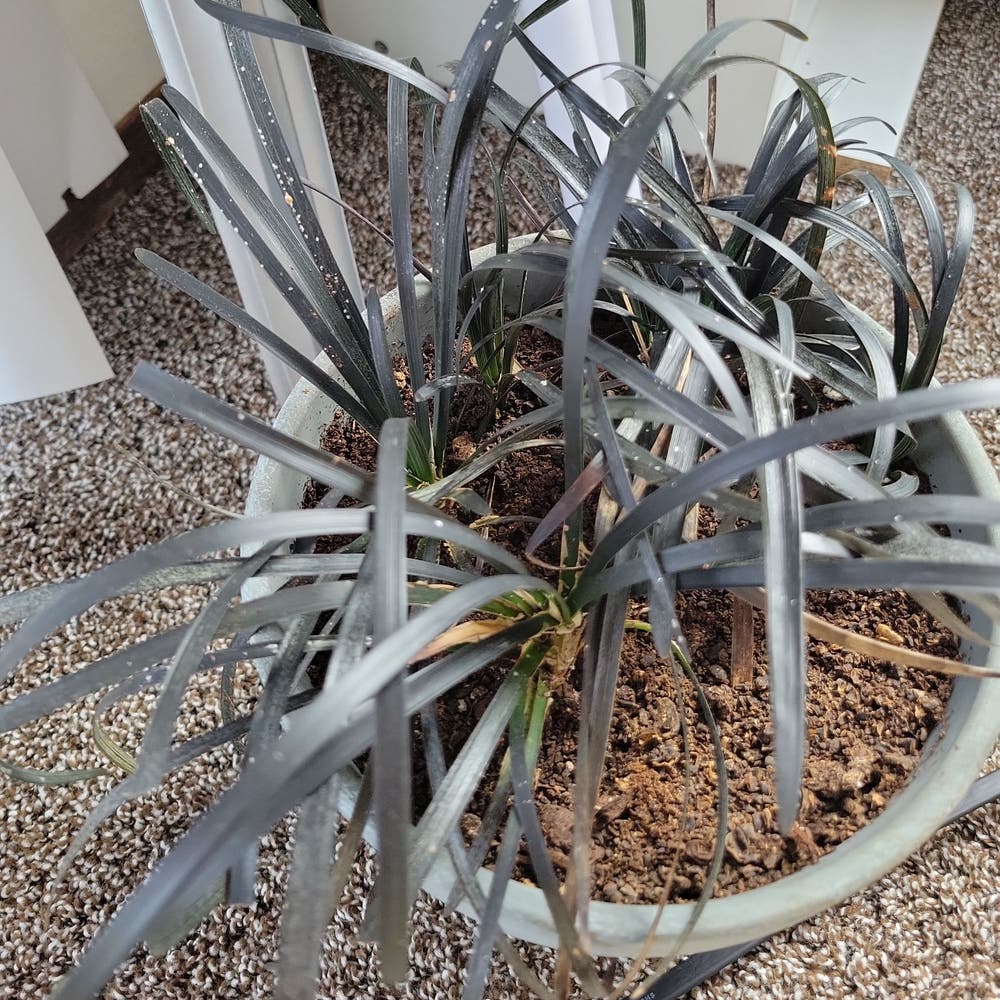
What to Do About Black Beard Root Rot 💧
Ophiopogon planiscapus 'Black Beard'
By the Greg Editorial Team
Nov 09, 2024•6 min read
This article was created with the help of AI so we can cover more plants for you. May contain errors. See one? Report it here.
Transform your aquarium with thriving Black Beard plants by mastering root rot treatment and prevention! 🌱✨
- 🌱 Treat Black Beard root rot by removing affected plants and trimming damaged roots.
- 💧 Rinse healthy roots in clean water to eliminate lingering pathogens before treatment.
- 🧪 Monitor water quality regularly to prevent future occurrences of root rot.
Treating Black Beard Root Rot
Step-by-Step Treatment for Root Rot 🌱
Treating Black Beard root rot requires a systematic approach. Start by removing affected plants from the aquarium to prevent the spread of the rot.
Next, trim away any rotten roots and damaged leaves. This step is crucial to ensure that only healthy parts of the plant remain.
After trimming, rinse the remaining healthy roots in clean water. This helps eliminate any lingering pathogens that could cause further issues.
Now, treat the plants with antifungal solutions or root rot treatments. These products are designed to combat the specific fungi responsible for root rot.
Once treated, replant the healthy roots in fresh, well-draining substrate. This new environment will support recovery and growth.
Finally, monitor water quality and adjust as necessary. Keeping an eye on your aquarium's conditions will help prevent future occurrences of root rot.
Recommended Products for Treatment 🛒
When treating Black Beard root rot, using the right products can make a significant difference. Consider antifungal treatments specifically formulated for aquatic plants.
Additionally, soil amendments can improve drainage, which is vital for preventing root rot. Look for products that enhance substrate quality and promote healthy root systems.
Water conditioners are also essential to stabilize parameters in your aquarium. They help maintain a balanced environment, supporting the recovery of your plants.
Importance of Water Quality in Treatment 💧
Water quality plays a pivotal role in treating Black Beard root rot. Maintaining optimal conditions can significantly enhance recovery rates.
Aim for ideal pH levels between 6.5 and 7.5. This range supports healthy plant growth and minimizes stress on the plants.
Keep an eye on ammonia and nitrate thresholds as well. Elevated levels can hinder recovery and exacerbate root rot issues.
Regular water changes are crucial in this process. They help refresh the aquarium environment and remove harmful substances, aiding in the overall recovery of your plants.
By focusing on these treatment steps and maintaining high water quality, you can effectively combat Black Beard root rot and promote a thriving aquatic environment. Next, we’ll explore how to diagnose root rot in Black Beard plants to catch issues early.
Diagnosing Root Rot in Black Beard
🦠 Symptoms of Root Rot
Identifying root rot in Black Beard plants is crucial for their recovery. Look for visual signs like discolored, mushy roots that indicate decay.
Leaf symptoms often accompany root rot, such as yellowing or wilting leaves. Additionally, you might notice behavioral changes, including stunted growth and reduced vigor in your plants.
🔍 Step-by-Step Diagnostic Process
To effectively diagnose root rot, follow these steps:
- Inspect the roots: Carefully examine for discoloration and unusual texture.
- Check the leaves: Look for signs of yellowing or wilting that may signal distress.
- Assess water quality: Test for pH, ammonia, and nitrate levels to ensure a healthy environment.
🛠️ Tools for Diagnosis
Having the right tools can make diagnosing root rot easier. Recommended water testing kits will help you accurately measure essential parameters.
For visual inspections, familiarize yourself with techniques that reveal root health. Observing the condition of your plants closely can provide valuable insights into their overall well-being.
With these diagnostic steps and tools, you can effectively identify root rot and take action to restore your Black Beard plants to health. Next, let’s explore how to prevent this issue from arising in the first place.
Preventing Black Beard Root Rot
🌊 Best Practices for Watering
To keep your Black Beard plants thriving, focus on the frequency and volume of watering. It's crucial to find a balance; too much water can lead to root rot, while too little can stress the plant.
Avoid overwatering by checking the moisture level of the substrate before adding more water. Allow the substrate to dry out slightly between waterings to promote healthy root growth and prevent rot.
🪴 Soil and Substrate Recommendations
Choosing the right substrate is vital for drainage and root health. Opt for substrates that allow excess water to escape easily, such as coarse gravel or sand.
Layering techniques can also enhance drainage. Consider placing a layer of larger gravel at the bottom, topped with finer substrate to create a healthy environment for your plants.
🌡️ Monitoring Environmental Conditions
Regularly check the temperature and humidity levels in your aquarium. Stable conditions are essential for preventing stress on your plants, which can lead to root rot.
Maintaining consistent environmental conditions not only supports your Black Beard plants but also enhances their overall health and resilience.
Identifying Healthy vs. Affected Plants
🌱 Signs of a Healthy Black Beard Plant
A thriving Black Beard plant showcases vibrant green leaves that are firm and full of life. Healthy roots should be white or light tan, firm to the touch, and free from any mushiness or discoloration.
Look for lush growth patterns and a well-developed root system. These indicators suggest that your plant is not only surviving but thriving in its environment.
🦠 Differentiating Root Rot from Other Issues
Identifying root rot is crucial for maintaining plant health. Symptoms of root rot include discolored, mushy roots and yellowing or wilting leaves, which can easily be mistaken for other issues like nutrient deficiencies.
To accurately diagnose root rot, inspect the roots closely. If they feel soft and appear dark or slimy, it’s likely root rot. In contrast, healthy roots are firm and light in color.
🔍 Diagnostic Tips for Accurate Identification
When assessing your Black Beard plant, consider the overall plant health. Stunted growth and reduced vigor can signal root rot, but they may also indicate other problems like poor lighting or inadequate nutrients.
Use a systematic approach: check the roots first, then the leaves, and finally evaluate the water quality. This methodical inspection helps pinpoint the exact issue, ensuring you can take the right steps for recovery.
By understanding these signs and symptoms, you can better care for your Black Beard plants and prevent future issues. Next, let’s explore long-term care strategies to keep your plants healthy and vibrant.
Long-term Care for Black Beard
Maintenance Tips to Prevent Recurrence 🌱
To keep your Black Beard plants thriving, regular inspections are crucial. Check for any signs of distress, such as discoloration or wilting, to catch potential issues early.
Consistent watering is equally important. Ensure you're providing the right amount of moisture without overdoing it, as this can lead to root rot.
Nutrient Supply 💧
Don't overlook the importance of a balanced nutrient supply. Regularly fertilize your plants with appropriate aquatic plant fertilizers to promote healthy growth.
Monitoring your plants' health and adjusting their nutrient intake can make a significant difference in their resilience against diseases like root rot.
Conclusion 🌟
By implementing these maintenance tips, you can foster a thriving environment for your Black Beard plants. This proactive approach not only enhances their growth but also minimizes the risk of future complications, ensuring a vibrant aquarium ecosystem.
⚠️ Safety First
This content is for general information and may contain errors, omissions, or outdated details. It is not medical, veterinary advice, or an endorsement of therapeutic claims.
Always consult a qualified healthcare professional before using any plant as food, medicine, or supplement.
Never eat any plant (or feed one to pets) without confirming its identity with at least two trusted sources.
If you suspect poisoning, call Poison Control (800) 222-1222, the Pet Poison Helpline (800) 213-6680, or your local emergency service immediately.
Spotted an error? Please report it here.
Combat Black Beard root rot with smart care 🌊 by using Greg's personalized tips and reminders to keep your aquatic plants thriving and healthy!