🏴☠️ Ultimate Guide to Fertilizing Black Beard
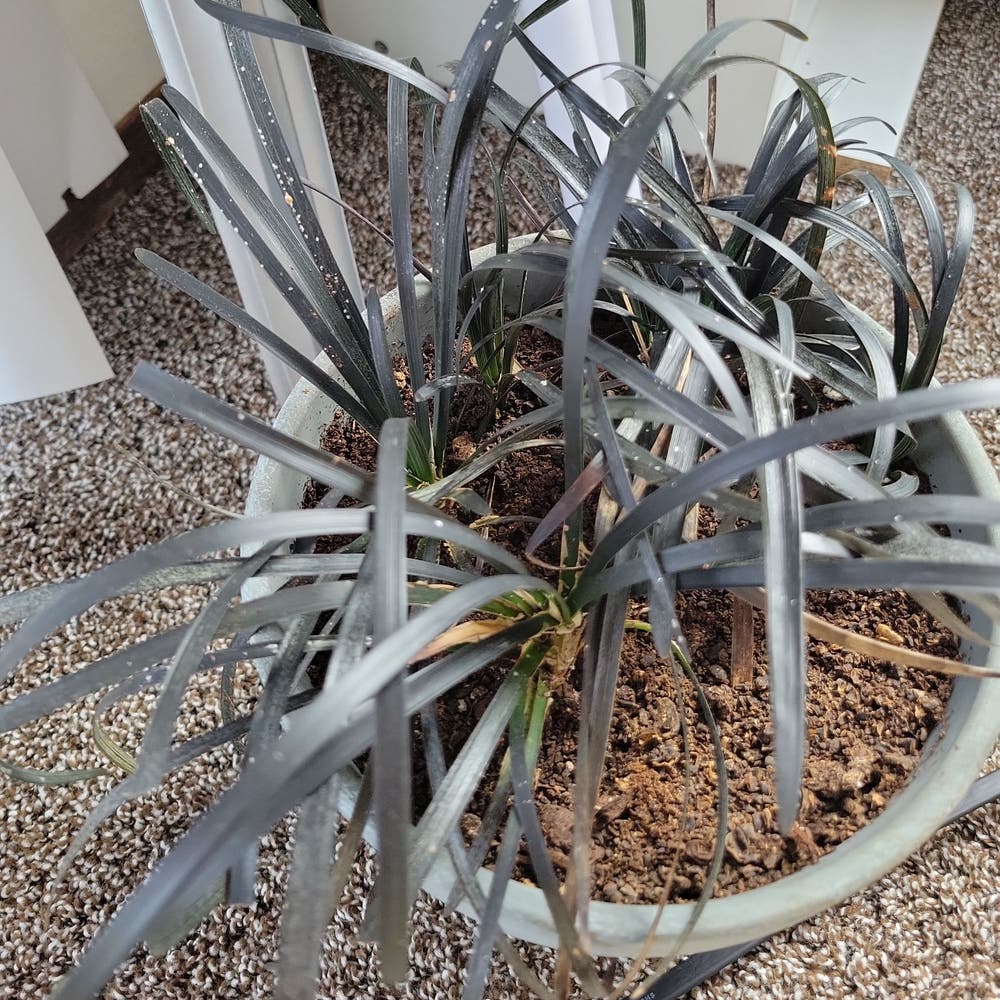
Ophiopogon planiscapus 'Black Beard'
By the Greg Editorial Team
Nov 09, 2024•7 min read
This article was created with the help of AI so we can cover more plants for you. May contain errors. See one? Report it here.
Boost your Black Beard plants' health 🌱 by mastering the right fertilizer choices and application techniques!
- 🌱 Choose the right fertilizer based on growth stage for optimal Black Beard health.
- 💧 Water conditions like pH affect nutrient availability; monitor regularly for best results.
- 🌼 Pre-bloom fertilization is key for vibrant blooms; start in spring for best growth.
How to Choose the Right Fertilizer
Choosing the right fertilizer for your Black Beard plants is crucial for their health and growth. Here’s what you need to consider to make an informed decision.
🌱 Factors to Consider
Growth Stage of the Plant
The growth stage of your plant plays a significant role in determining the type of fertilizer to use. Seedlings require a low concentration to avoid burning, while juvenile and mature plants can handle moderate to full-strength fertilizers.
Water Conditions
Water conditions are equally important. Check the pH, hardness, and temperature of your water, as these factors can influence nutrient availability. A well-balanced environment ensures your plants can absorb the nutrients effectively.
🏷️ Recommended Fertilizer Brands
Overview of Top Brands
When it comes to reliable fertilizers, three brands stand out: API, Seachem, and Fluval. Each offers unique formulations tailored to different plant needs.
Comparison of Product Features and Nutrient Profiles
- API: Known for its balanced nutrient profile, ideal for general use.
- Seachem: Offers specialized products that target specific deficiencies.
- Fluval: Focuses on slow-release options that provide nutrients over time.
Choosing the right brand can enhance your fertilization strategy and support your plants' growth effectively.
With the right fertilizer in hand, you can ensure your Black Beard thrives. Next, let’s explore when to fertilize for optimal results.
When to Fertilize
🌱 Seasonal Fertilization Schedule
Timing is everything when it comes to fertilizing your Black Beard plants. In spring, as temperatures rise and growth resumes, it's crucial to start with an initial fertilization to kickstart their development.
During summer, your plants are in their peak growth phase. Monthly applications will help sustain their vigor and ensure they thrive in the warm weather. As the seasons change into fall, growth begins to slow down, so it's wise to reduce fertilization. This adjustment helps prevent over-fertilization as your plants prepare for dormancy.
👀 Signs Indicating When to Fertilize
Keep an eye out for visual cues that signal your plants need a nutrient boost. Yellowing leaves and stunted growth are clear indicators that your Black Beard may be lacking essential nutrients.
Additionally, observe the growth patterns. If you notice slow or halted growth phases, it’s time to reassess your fertilization strategy. These signs can guide you in determining when to fertilize for optimal health.
🌸 Timing for Optimal Blooming
To achieve stunning blooms, pre-bloom fertilization strategies are essential. Apply fertilizer a few weeks before the expected blooming period to ensure your plants have the nutrients they need to flourish.
Moreover, consider the timing in relation to light cycles and water temperature. These factors significantly influence nutrient uptake, so aligning your fertilization schedule with environmental conditions can lead to more vibrant blooms and healthier plants overall.
With a solid understanding of when to fertilize, you're well on your way to nurturing thriving Black Beard plants. Next, let's explore how much fertilizer to apply for different growth stages.
How Much to Fertilize
Recommended Dosage for Different Growth Stages 🌱
When it comes to fertilizing your Black Beard plants, the dosage varies significantly based on their growth stage. For seedlings, use a low concentration at ¼ strength to avoid overwhelming them.
As your plants transition to the juvenile stage, increase the dosage to ½ strength. Mature plants can handle full-strength fertilizer as needed, ensuring they receive the nutrients required for robust growth.
Adjusting Fertilizer Amounts Based on Plant Size 📏
The size of your plants plays a crucial role in determining how much fertilizer to use. For small specimens, stick to the lower end of the recommended dosage to prevent nutrient burn.
Larger plants, however, may require more fertilizer. Always observe how your plants respond to fertilization; if they show signs of stress, adjust the amounts accordingly.
Importance of Soil Testing for Accurate Fertilization 🧪
Soil testing is essential for effective fertilization. Aim to test your soil every 6-12 months to gauge nutrient levels and pH balance.
Interpreting soil test results allows you to make informed adjustments to your fertilization strategy. This proactive approach ensures your plants receive the right nutrients at the right time, promoting healthier growth.
Transitioning from understanding how much to fertilize, let’s explore how to avoid over-fertilization and its potential pitfalls.
Avoiding Over-Fertilization
🚨 Signs of Over-Fertilization
Over-fertilization can be a sneaky issue for your plants. Look out for symptoms like leaf burn, excessive algae growth, and wilting, which signal that your plants are overwhelmed.
Visual indicators are also crucial. If you notice dark green leaves turning brown or black, it’s a clear sign that you need to reassess your fertilization strategy.
⚠️ Consequences of Over-Fertilizing
The negative impact of over-fertilization extends beyond just your plants. It can hinder their health and growth, leading to stunted development and poor vitality.
Moreover, it poses a risk to the aquatic ecosystem balance. Excess nutrients can lead to harmful algae blooms, disrupting the habitat for fish and other aquatic life.
🛠️ How to Remedy Over-Fertilization Issues
If you suspect over-fertilization, take immediate action. Start with water changes to dilute the excess nutrients and reduce your fertilizer application to prevent further issues.
For long-term solutions, adjust your fertilization schedule and amounts. Monitoring your plants’ responses will help you find the right balance for healthy growth.
By staying vigilant and responsive, you can ensure your plants thrive without the risks associated with over-fertilization. Next, let’s explore effective application techniques to maximize your fertilization efforts.
Application Techniques
Applying fertilizer correctly is crucial for the health of your Black Beard plants. Here’s how to do it effectively.
🌱 Best Methods for Applying Fertilizer
When it comes to applying fertilizer, you have two primary methods: direct application in the water column or substrate application.
- Water Column Dosing: This method involves mixing the fertilizer directly into the water. It's quick and allows for immediate nutrient uptake.
- Substrate Application: Alternatively, you can incorporate fertilizer into the substrate. This slow-release method provides a steady supply of nutrients over time.
Using fertilizer spikes or tablets is another effective option. These products dissolve slowly, releasing nutrients gradually and minimizing the risk of over-fertilization.
⏰ Frequency of Application for Sustained Growth
Timing your fertilizer applications is just as important as how you apply them.
- Active Growth: During the growing season, aim for monthly applications to keep your plants thriving.
- Dormancy: In contrast, reduce this to bi-monthly during dormancy to avoid stressing your plants.
This approach ensures your Black Beard plants receive the nutrients they need without overwhelming them.
📏 Tips for Even Distribution of Fertilizer
Even distribution of fertilizer is key to preventing damage and ensuring all parts of your plant receive nutrients.
- Mixing Techniques: When mixing fertilizers in water, stir thoroughly to ensure even distribution. This helps prevent concentrated spots that can harm your plants.
- Avoiding Concentrated Spots: Always aim to spread the fertilizer evenly across the substrate or water surface. Concentrated areas can lead to nutrient burn or algae blooms.
By following these application techniques, you can foster a healthy environment for your Black Beard plants. Next, we’ll explore troubleshooting common fertilization issues to keep your plants in top shape.
Troubleshooting Fertilization Issues
🌱 Common Fertilization Problems
Fertilization issues can significantly impact the health of your Black Beard plants. One of the most common problems is nutrient deficiencies, which can manifest as yellowing leaves, stunted growth, or poor overall vigor.
Nutrient lockout is another critical issue, often caused by an improper pH balance in the water. When pH levels are too high or too low, plants struggle to absorb essential nutrients, leading to visible symptoms like discolored leaves or slow growth.
💪 Solutions for Nutrient Deficiencies
To address nutrient deficiencies, targeted fertilization strategies are essential. For example, if your plants show signs of nitrogen deficiency, consider using a nitrogen-rich fertilizer to boost growth.
Adjusting water conditions can also enhance nutrient uptake. Ensuring that your water's pH is within the optimal range (typically between 6.0 and 7.5 for most aquatic plants) can help your plants absorb nutrients more effectively.
🌍 Adjusting Care Based on Environmental Factors
Environmental factors play a significant role in fertilization needs. Light intensity, temperature fluctuations, and water quality can all influence how well your plants utilize fertilizers.
Seasonal adjustments are crucial for maintaining optimal growth. For instance, during warmer months, your plants may require more frequent fertilization due to increased metabolic activity, while cooler months may call for a reduction in fertilizer application.
By staying attuned to these factors, you can ensure your Black Beard plants thrive throughout the year. This proactive approach will help you avoid common pitfalls and keep your aquatic ecosystem balanced and healthy.
⚠️ Safety First
This content is for general information and may contain errors, omissions, or outdated details. It is not medical, veterinary advice, or an endorsement of therapeutic claims.
Always consult a qualified healthcare professional before using any plant as food, medicine, or supplement.
Never eat any plant (or feed one to pets) without confirming its identity with at least two trusted sources.
If you suspect poisoning, call Poison Control (800) 222-1222, the Pet Poison Helpline (800) 213-6680, or your local emergency service immediately.
Spotted an error? Please report it here.
Achieve vibrant blooms 🌸 and robust growth for your Black Beard plants by using Greg's tailored fertilization reminders and nutrient tracking to keep your plants thriving all season long!