5 Tips for Caring for Your Black Beard in Winter ❄️
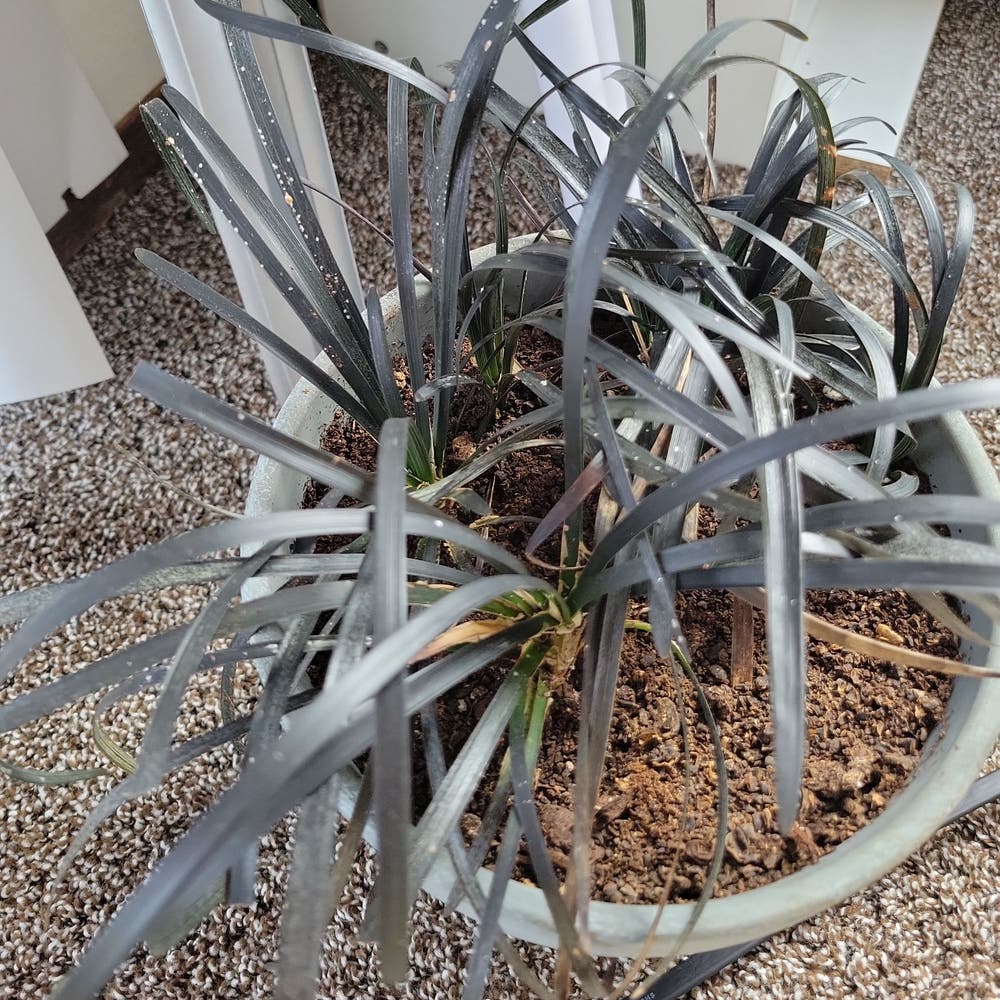
Ophiopogon planiscapus 'Black Beard'
By the Greg Editorial Team
Nov 09, 2024•3 min read
This article was created with the help of AI so we can cover more plants for you. May contain errors. See one? Report it here.
Ensure your black beard plants survive winter's chill with these essential protection tips! ❄️🌱
- ❄️ Protect your black beard from frost using cloths or blankets for insulation.
- 🌱 Mulching retains warmth and insulates roots during winter months.
- 🌬️ Windbreaks reduce exposure to harsh conditions, enhancing plant survival.
Protection Strategies
🌨️ Methods for Frost Protection
Winter can be tough on your black beard plants, but there are effective ways to shield them from frost. Start by covering your plants with frost cloths or blankets to protect them from cold winds and frost damage.
Another essential method is mulching. Applying a layer of mulch around the base of your plants helps insulate the roots and retain soil warmth, creating a more stable environment.
Additionally, watering your plants before a frost event is crucial. Moist soil can help moderate temperature fluctuations, making it less likely for your plants to suffer from the cold.
🌡️ Creating a Microclimate
Creating a microclimate can significantly enhance your black beard's winter survival. Position your plants near walls or structures that absorb heat during the day, providing a warmer spot for them to thrive.
Incorporating windbreaks is another smart strategy. Barriers like fences or shrubs can reduce wind exposure, further protecting your plants from harsh winter conditions.
🏠 Indoor Care Tips
If you bring your black beard indoors for the winter, aim for optimal indoor conditions. Keep the temperature between 60°F to 75°F (15°C to 24°C) to ensure your plant remains comfortable.
Humidity is also vital; maintaining moderate levels prevents leaf browning. Be mindful of placement, avoiding drafts and direct heat sources like radiators or vents, which can stress your plant.
By implementing these protection strategies, you can help your black beard thrive through the winter months. Next, let’s explore how to adjust your watering and fertilizing routines to support your plant during this dormant season.
Watering and Fertilizing Adjustments
🌧️ Adjusting Watering Schedules
During winter, it's essential to adjust your watering routine for your black beard plants. Reduce the frequency of watering to allow the soil to dry out between sessions, which helps prevent root rot.
Keep an eye out for signs of overwatering. Yellowing leaves, mushy stems, and root rot are clear indicators that your plant is getting too much moisture.
❄️ Fertilizing During Dormancy
When winter sets in, it's time to limit or even eliminate fertilization. Your black beard plants enter a dormant phase, and they don't need the extra nutrients during this time.
If you notice any signs of active growth, you can use a diluted, balanced fertilizer. This should be done sparingly to support the plant without overwhelming it.
By making these adjustments, you’ll help your black beard thrive through the winter months, setting it up for a robust spring recovery.
Spring Preparation and Recovery
🌱 Signs of Recovery from Winter Damage
As winter fades, look for signs that your black beard is bouncing back. New leaf growth, firm leaves, and vibrant colors are all positive indicators of health.
However, keep an eye out for stress signals. Continued leaf drop or browning can suggest lingering issues that need addressing.
🌼 Preparing for Spring Growth
To kickstart your plant's recovery, pruning is essential. Remove any dead or damaged leaves to encourage fresh growth and vitality.
Transitioning your black beard back outdoors is also crucial. Gradually acclimate the plant to outdoor conditions over 1-2 weeks to avoid shock.
🌞 Best Practices for Transitioning Back Outdoors
Timing is everything when moving your plant outside. Wait until after the last frost date in your area to ensure a safe transition.
When you do move it outdoors, start in a shaded area. Gradually introduce your black beard to full sun as temperatures warm, allowing it to adjust comfortably.
With these steps, your black beard will thrive as spring unfolds, setting the stage for a vibrant growing season ahead.
⚠️ Safety First
This content is for general information and may contain errors, omissions, or outdated details. It is not medical, veterinary advice, or an endorsement of therapeutic claims.
Always consult a qualified healthcare professional before using any plant as food, medicine, or supplement.
Never eat any plant (or feed one to pets) without confirming its identity with at least two trusted sources.
If you suspect poisoning, call Poison Control (800) 222-1222, the Pet Poison Helpline (800) 213-6680, or your local emergency service immediately.
Spotted an error? Please report it here.
Keep your black beard plants thriving this winter ❄️ with Greg's tailored watering alerts and expert care tips that set the stage for vibrant spring growth!