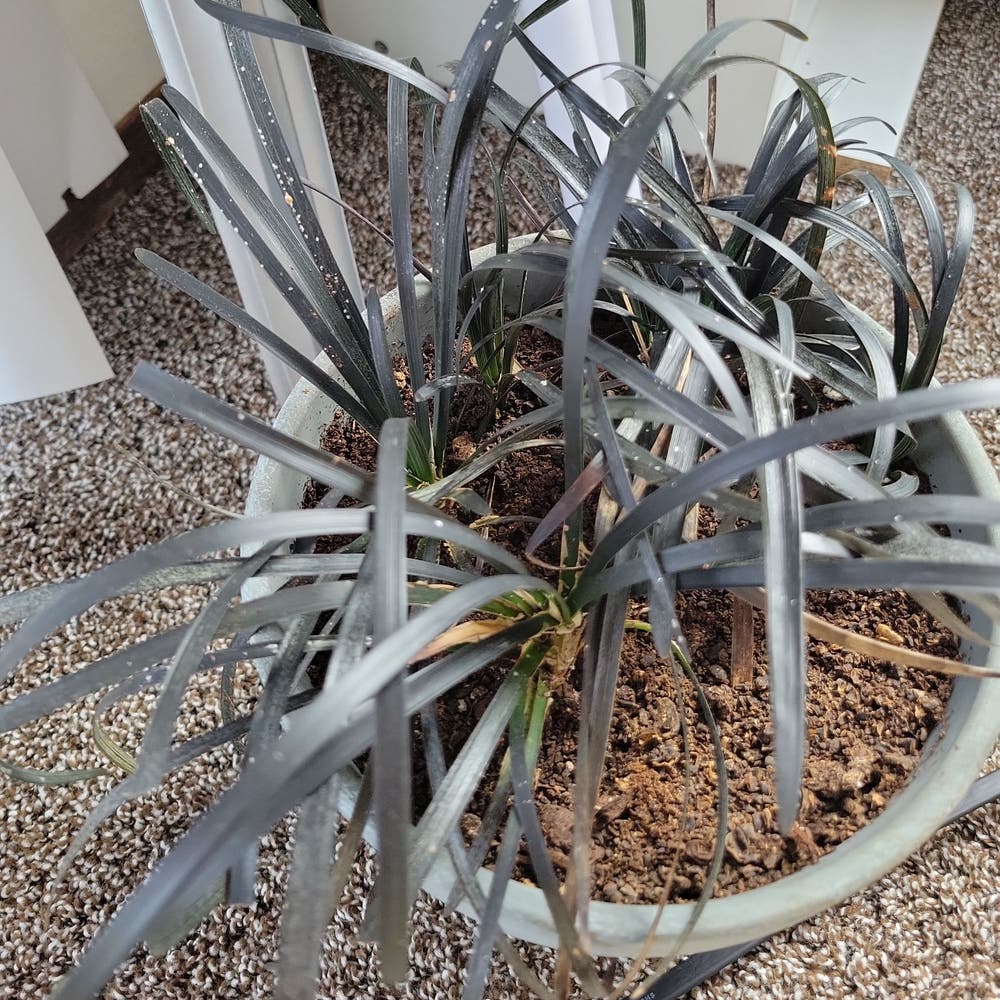
🏴☠️ Managing Black Spots on Your Black Beard Leaves
Ophiopogon planiscapus 'Black Beard'
By the Greg Editorial Team
Nov 09, 2024•5 min read
This article was created with the help of AI so we can cover more plants for you. May contain errors. See one? Report it here.
Revitalize your Black Beard 🌱 by learning to diagnose and treat black spots for vibrant, healthy growth!
- 🌱 Inspect Black Beard leaves regularly to identify black spots and assess health.
- 🌡️ Maintain humidity (40-60%) and temperature (20-30°C) to prevent black spots.
- 🧴 Use fungicides or natural remedies like neem oil for effective treatment.
Diagnosing Black Spots
🔍 Visual Inspection Techniques
To effectively diagnose black spots on your Black Beard leaves, start with a thorough visual inspection. Examine both the upper and lower surfaces of the leaves for any discoloration or unusual markings.
Next, assess the overall health of the plant. Look for signs of stress, such as wilting, yellowing leaves, or stunted growth, which can indicate underlying issues.
🌍 Environmental Factors Contributing to Black Spots
Environmental factors play a significant role in the health of your Black Beard. Insufficient light can lead to weak, unhealthy leaves that are more susceptible to black spots.
Temperature extremes also affect leaf health. Heat stress from excessive warmth or cold drafts can cause damage, leading to the appearance of black spots.
🌡️ Role of Humidity and Temperature in Leaf Health
Humidity and temperature are crucial for maintaining healthy Black Beard plants. Aim for humidity levels between 40-60% to promote optimal growth and prevent stress.
The ideal temperature range for Black Beard is between 20°C to 30°C (68°F to 86°F). Keeping your plant within this range helps ensure it thrives and minimizes the risk of black spots.
By understanding these diagnostic techniques and environmental factors, you can better care for your Black Beard and prevent further issues. Next, we will explore effective treatment options for addressing black spots.
Treating Black Spots
🦠 Step-by-Step Treatment for Fungal Infections
Dealing with black spots on your Black Beard leaves can be daunting, but a systematic approach can help. Start by isolating affected plants to prevent the spread of the infection to healthy specimens.
Next, remove infected leaves using sterilized scissors. This step is crucial to stop the disease from advancing further. After that, apply a fungicide according to the label instructions, paying attention to the recommended application frequency for best results.
🌿 Recommended Fungicides and Natural Remedies
When it comes to fungicides, several options are effective against leaf spot diseases. Look for common fungicides that target fungal infections specifically.
If you prefer natural remedies, neem oil and baking soda solutions are excellent alternatives. These options can be gentler on your plants while still providing effective treatment.
✂️ Importance of Pruning Affected Leaves
Pruning is not just about aesthetics; it plays a vital role in plant health. By removing infected leaves, you reduce the risk of disease spread and improve air circulation around your Black Beard.
To prune effectively, make clean cuts at the base of the infected leaves and dispose of them properly. This practice not only helps your plant recover but also promotes overall vitality.
With these treatment strategies in place, your Black Beard can bounce back from those pesky black spots. Next, let’s explore how to prevent these issues from arising in the first place.
Preventing Black Spots
💧 Best Practices for Watering Black Beard
Watering your Black Beard is crucial for preventing black spots. Allow the soil to dry out between waterings to avoid over-saturation, which can lead to fungal issues.
When you water, focus on the base of the plant. This technique helps keep the leaves dry, reducing the risk of moisture-related diseases.
🌱 Soil Selection and Drainage Considerations
Choosing the right soil mix is essential for your plant's health. A well-draining cactus or succulent soil is ideal, as it prevents water from pooling around the roots.
Don't overlook the importance of drainage holes in your pots. These holes allow excess water to escape, safeguarding your plant from root rot and other moisture-related problems.
🌬️ Maintaining Optimal Humidity Levels
Humidity plays a significant role in the health of your Black Beard. To increase humidity, consider using pebble trays filled with water or investing in a humidifier.
Monitoring humidity levels is equally important. Utilize hygrometers to keep track of indoor humidity, ensuring it stays within the optimal range for your plant's growth.
By following these preventive measures, you can significantly reduce the chances of black spots appearing on your Black Beard leaves. This proactive approach not only enhances your plant's appearance but also promotes overall health and vitality.
Next, let's explore ongoing care strategies to keep your Black Beard thriving.
Ongoing Care for Black Beard
Regular Monitoring for Signs of Stress 🕵️♂️
Keeping an eye on your Black Beard is crucial for its health. Conduct weekly checks to observe any changes in leaf color and texture, as these can indicate stress.
Look out for signs of pest infestations, particularly spider mites and aphids. Early detection can save your plant from significant damage.
Seasonal Care Adjustments to Prevent Black Spots 🍂
As the seasons change, so should your care routine. Adjust your watering and humidity levels to match the needs of your plant during different times of the year.
Light exposure is also vital; be prepared to move your plants to ensure they receive adequate sunlight as the seasons shift.
Fertilization Practices to Enhance Plant Health 🌱
To keep your Black Beard thriving, use fertilizers with balanced NPK ratios. This ensures your plant gets the essential nutrients it needs for robust growth.
Timing is everything when it comes to fertilization. Apply nutrients during the growing season for the best results, helping your plant flourish and fend off potential issues.
By staying vigilant and adapting your care routine, you can maintain a healthy Black Beard and prevent black spots from becoming a problem. Next, let’s explore effective prevention strategies to keep your plant in top shape.
⚠️ Safety First
This content is for general information and may contain errors, omissions, or outdated details. It is not medical, veterinary advice, or an endorsement of therapeutic claims.
Always consult a qualified healthcare professional before using any plant as food, medicine, or supplement.
Never eat any plant (or feed one to pets) without confirming its identity with at least two trusted sources.
If you suspect poisoning, call Poison Control (800) 222-1222, the Pet Poison Helpline (800) 213-6680, or your local emergency service immediately.
Spotted an error? Please report it here.
Keep your Black Beard leaves spotless 🌿 with Greg's tailored care tips and reminders that help you create the perfect environment for thriving plants!