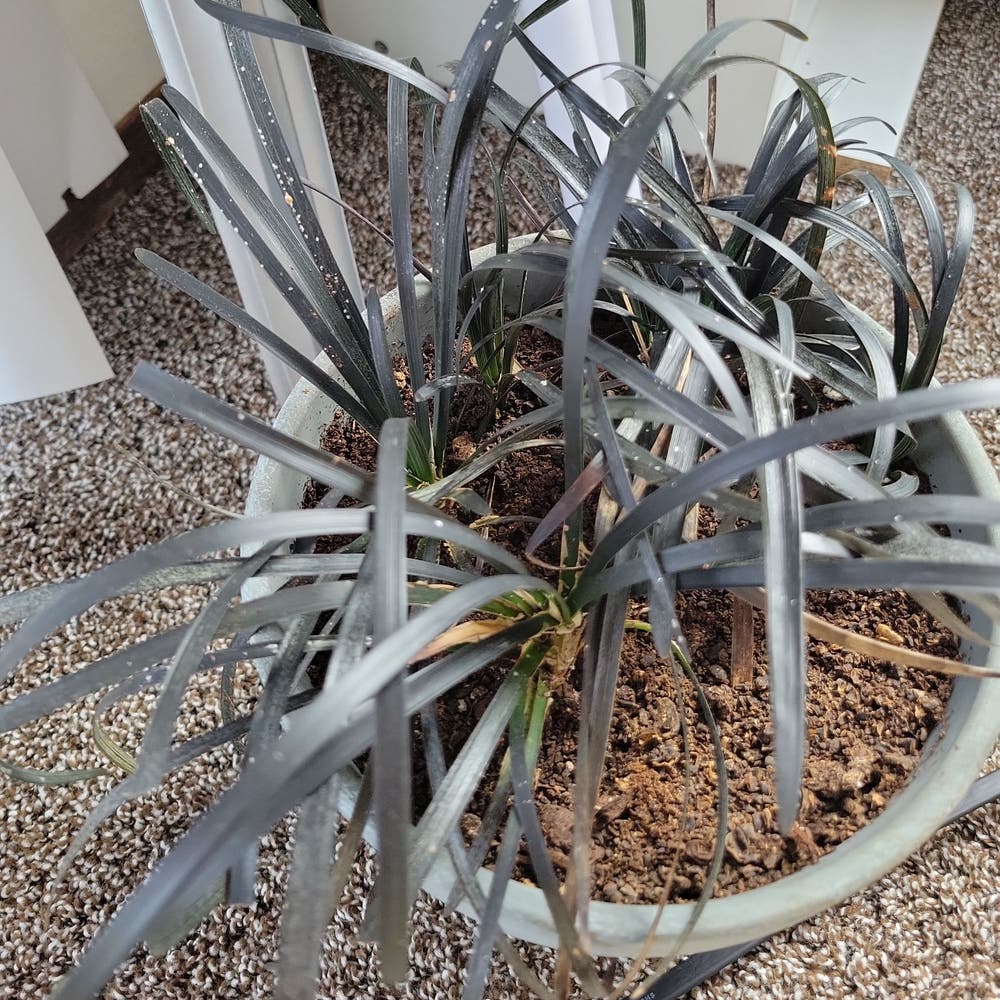
🏴☠️ Best Tips for Dealing with Brown Spots on Black Beard
Ophiopogon planiscapus 'Black Beard'
By the Greg Editorial Team
Nov 09, 2024•5 min read
This article was created with the help of AI so we can cover more plants for you. May contain errors. See one? Report it here.
Revitalize your Black Beard 🌱 by mastering the art of preventing and treating pesky brown spots!
- 🌱 Brown spots on Black Beard stem from nutrient deficiencies and water quality issues.
- 💧 Maintain pH between 6.5-7.5 and hardness 3-8 dGH for optimal health.
- ✂️ Prune affected leaves and adjust care to prevent spread of brown spots.
Causes of Brown Spots
🥦 Nutrient Deficiencies
Nutrient deficiencies are a primary culprit behind brown spots on your Black Beard.
Nitrogen Deficiency
- Symptoms: Look for yellowing leaves with brown spots.
- Importance: Nitrogen is essential for plant growth and leaf development.
Potassium Deficiency
- Symptoms: You may notice marginal leaf browning and necrosis.
- Importance: Potassium is vital for overall plant health and stress resistance.
💧 Water Quality Issues
Water quality plays a significant role in the health of your Black Beard.
pH Levels
- Ideal Range: Aim for a pH between 6.5 to 7.5.
- Effects of High/Low pH: Deviations can lead to nutrient lockout and stress for your plants.
Hardness
- Importance of Water Hardness: It affects nutrient availability and overall plant health.
- Recommended Levels: Maintain hardness levels between 3-8 dGH for optimal growth.
🌱 Algae Overgrowth
Algae overgrowth can also contribute to brown spots on your Black Beard.
Causes of Algae Proliferation
- Excess Nutrients: Too many nutrients in the water can fuel algae growth.
- Poor Light Management: Imbalances in light can exacerbate the issue.
Impact on Black Beard
- Competition for Resources: Algae compete for nutrients, leading to brown spots and decay in your plants.
🍄 Fungal Infections
Fungal infections are another serious concern for your Black Beard.
Common Fungal Issues
- Symptoms: Look for brown spots accompanied by fuzzy growths.
- Causes: These issues often arise from poor water circulation and high organic waste.
Understanding these causes is crucial for maintaining the health of your Black Beard. By addressing nutrient deficiencies, water quality issues, algae overgrowth, and fungal infections, you can prevent and treat brown spots effectively. Next, let’s dive into how to diagnose these problems accurately.
Diagnosing the Problem
🌊 Assessing Water Quality
Testing pH and Hardness
To maintain a healthy Black Beard, start by testing your water quality. Use pH test kits and hardness test strips to get accurate readings.
Testing should be done monthly or bi-weekly to ensure stable conditions. This regular monitoring helps you catch any issues before they escalate.
Checking for Excess Nutrients
Next, look for signs of nutrient overload in your aquarium. Indicators include algae blooms and cloudy water, which can signal an imbalance.
To assess nutrient levels, conduct water sample analyses for nitrate and phosphate. This will provide a clearer picture of your water's health.
🥴 Identifying Nutrient Deficiencies
Signs of Specific Nutrient Lack
Nutrient deficiencies can manifest in various ways. For instance, nitrogen deficiency often leads to stunted growth and yellowing leaves.
On the other hand, potassium deficiency results in leaf tip burn and browning edges. Recognizing these signs early can help you take corrective action.
Recommended Fertilizers for Black Beard
When it comes to fertilization, you have options. Liquid and granular fertilizers both work well for Black Beard.
Apply fertilizers every 2-4 weeks during the growing season. This ensures your plants receive the nutrients they need to thrive.
🍄 Recognizing Fungal Infections
Symptoms of Fungal Issues
Fungal infections can be tricky to spot. Look for brown spots accompanied by fuzzy growths on your Black Beard leaves.
As the infection progresses, symptoms can escalate from minor brown spots to extensive decay. Early detection is key to managing these issues.
Treatment Options for Fungal Infections
If you suspect a fungal infection, act quickly. Recommended treatments include anti-fungal solutions and improving water circulation.
Additionally, removing affected leaves is crucial to prevent the spread of the infection. Keeping your aquarium clean will help maintain overall plant health.
By diagnosing these problems effectively, you can take proactive steps to ensure your Black Beard remains vibrant and healthy. Next, we’ll explore immediate treatment options to tackle any issues you’ve identified.
Treating Brown Spots
🌟 Immediate Treatment Options
Adjusting Water Parameters
To tackle brown spots on your Black Beard, start by adjusting the water parameters.
- Use pH adjusters to bring levels to the ideal range of 6.5 to 7.5.
- Test the hardness and add remineralization products if necessary to ensure optimal nutrient availability.
Applying Fertilizers
Next, consider applying fertilizers to boost plant health.
- Balanced NPK fertilizers are ideal for comprehensive nutrient support.
- Dilute the fertilizer in water and apply it directly to the substrate for best results.
Removing Affected Leaves
Pruning is crucial for managing brown spots effectively.
- Removing affected leaves prevents the spread of issues throughout the plant.
- Use clean, sharp scissors for effective removal, ensuring minimal damage to the healthy parts of the plant.
🌱 Long-term Solutions
Regular Water Changes
Incorporating regular water changes into your routine is essential.
- Aim for 10-20% weekly changes to maintain water quality and reduce nutrient buildup.
- This practice helps keep your Black Beard thriving and minimizes the risk of brown spots.
Implementing a Balanced Fertilization Schedule
A balanced fertilization schedule is key to long-term health.
- Apply micronutrients monthly to ensure your plant gets everything it needs.
- This balance prevents nutrient imbalances and deficiencies that can lead to brown spots.
Managing Light Exposure to Prevent Algae Growth
Finally, managing light exposure can significantly impact algae growth.
- Aim for 8-10 hours of light daily to support healthy growth without encouraging algae.
- Adjust light intensity by using dimmers or moving lights further away to maintain the right balance.
By addressing immediate concerns and implementing long-term solutions, you can effectively manage brown spots on your Black Beard. This proactive approach not only enhances the plant's appearance but also promotes its overall health and vitality.
⚠️ Safety First
This content is for general information and may contain errors, omissions, or outdated details. It is not medical, veterinary advice, or an endorsement of therapeutic claims.
Always consult a qualified healthcare professional before using any plant as food, medicine, or supplement.
Never eat any plant (or feed one to pets) without confirming its identity with at least two trusted sources.
If you suspect poisoning, call Poison Control (800) 222-1222, the Pet Poison Helpline (800) 213-6680, or your local emergency service immediately.
Spotted an error? Please report it here.
Revive your Black Beard plants from brown spots with proactive care 🌱—let Greg provide personalized tips and reminders to keep them thriving and beautiful!