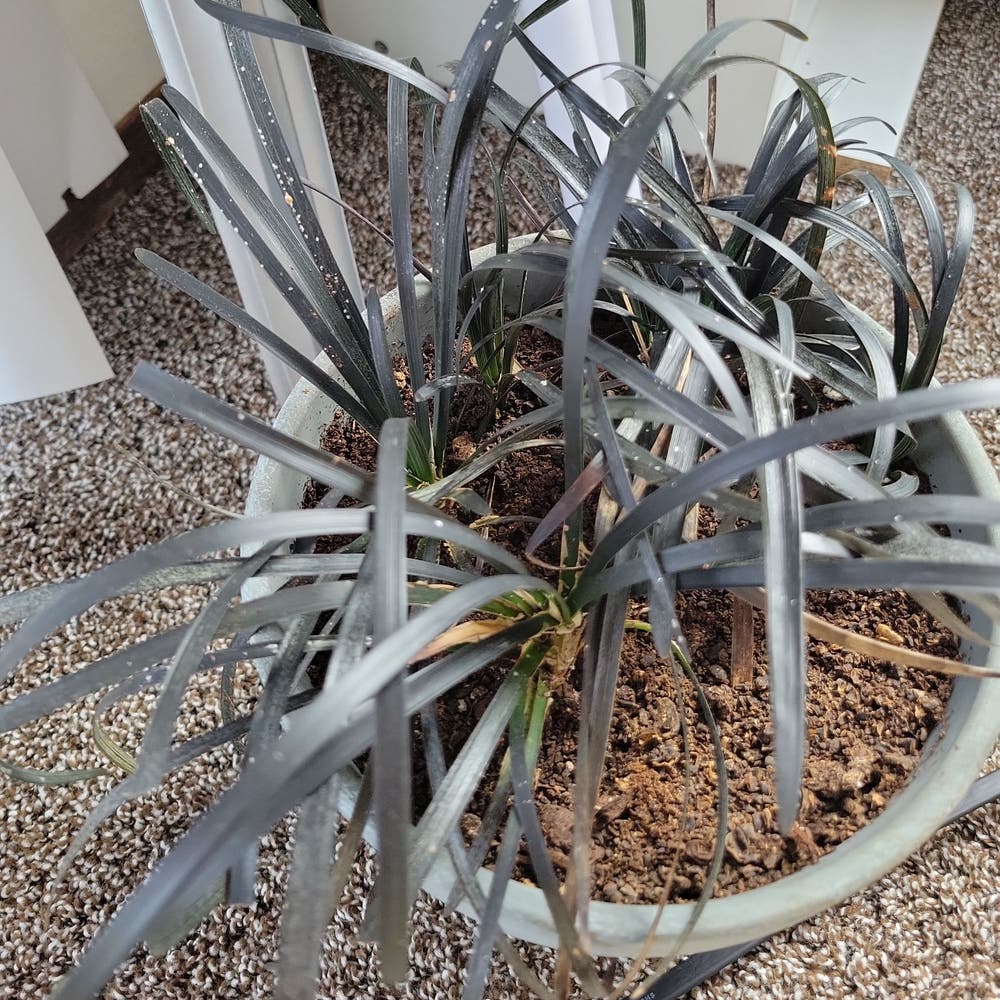
5 Tips for Healthy Black Beard Roots 🧔
Ophiopogon planiscapus 'Black Beard'
By the Greg Editorial Team
Nov 09, 2024•6 min read
This article was created with the help of AI so we can cover more plants for you. May contain errors. See one? Report it here.
Master black beard plant care by understanding root health for vibrant growth and resilience! 🌱
- 🌱 Healthy black beard roots require ample space; they can spread up to 3 feet wide.
- 💧 Consistent moisture is vital, but avoid overwatering to prevent root rot.
- 🌞 Monitor growth in spring and summer for optimal health and nutrient uptake.
Root Growth Patterns
Root System Characteristics 🌱
The black beard plant features a fibrous root system characterized by dense, shallow roots. These roots typically extend 12-18 inches deep and can spread up to 3 feet in diameter, making it essential to provide ample planting space.
This adaptability allows the plant to thrive in various soil conditions, emphasizing the need for careful planning when planting. Ensuring enough room for root expansion can significantly enhance the plant's overall health.
Growth Patterns and Environmental Impact ☀️
Black beard plants experience active growth primarily in the spring and summer. During these seasons, they require optimal conditions to flourish.
Temperature and moisture levels play a crucial role in root expansion and overall plant health. Keeping an eye on these environmental factors can help you maintain a vibrant and thriving plant.
Understanding these growth patterns allows for better care strategies, ensuring your black beard plant remains robust and healthy throughout its growing season.
Watering and Fertilizing
💧 Watering Needs Based on Root System
Maintaining consistent moisture is crucial for the health of your black beard roots. Aim to keep the soil evenly moist, but be cautious of overwatering, which can lead to root rot.
Signs of overwatering include wilting, yellowing leaves, and a foul smell from the roots. To prevent these issues, consider implementing deep watering techniques and using moisture meters to monitor soil conditions effectively.
🌱 Fertilization Strategies
Choosing the right fertilizer is essential for promoting robust root growth. Balanced NPK fertilizers and organic options can provide the nutrients your plants need.
Timing is key; apply fertilizers during the active growth periods of spring and summer for the best results. Additionally, keep an eye on your plants for signs of nutrient deficiencies, and adjust your fertilization practices accordingly to ensure optimal root health.
With proper watering and fertilizing strategies, your black beard roots will thrive, setting the stage for healthy growth. Next, let’s explore common root issues and how to address them effectively.
Common Root Issues
Identifying and Addressing Problems 🌱
Plants can face several common root issues that hinder their growth. Overwatering, root rot, and nutrient deficiencies are the main culprits.
Recognizing the symptoms early can save your plants. Look for stunted growth, wilting leaves, and discoloration as key indicators of trouble.
To prevent these problems, ensure proper drainage and soil aeration. Good drainage allows excess water to escape, while aeration promotes healthy root development.
Solutions for Root Issues 🛠️
If you suspect root rot, act quickly. Treatment options include removing affected roots and improving drainage.
For nutrient deficiencies, consider adjusting your fertilization routine. Regularly assess your plants and amend their diet as needed.
Repotting in fresh soil is crucial for promoting root health. This not only refreshes the nutrients available but also provides a clean slate for your plant to thrive.
By staying vigilant and proactive, you can keep your plants' roots healthy and robust. This sets the stage for vibrant growth and resilience against future challenges.
Next, we’ll explore the differences between healthy and unhealthy roots, helping you to further refine your plant care techniques.
Healthy vs. Unhealthy Roots
👀 Visual Cues for Root Health
Healthy roots are essential for robust plant growth. Look for roots that are firm, white, or light tan in color, with a fibrous texture.
In contrast, unhealthy roots present a stark warning. Dark, mushy, or foul-smelling roots indicate serious issues, often accompanied by signs of plant stress like wilting or yellowing leaves.
⚒️ Corrective Measures for Unhealthy Roots
If you identify unhealthy roots, take immediate action. Start by pruning away any damaged roots to prevent further decay.
Next, repot the plant in fresh soil to provide a clean environment for recovery. Adjust your care practices based on your assessment of the root health to ensure the plant gets back on track.
By staying vigilant and proactive, you can nurture your plants back to health and vitality.
Rootbound Plants
Recognition and Definition 🌱
A rootbound plant occurs when its roots grow in circles around the pot, limiting their ability to expand. This condition often leads to stunted growth, water pooling on the surface, and visible roots pushing through the drainage holes.
Addressing Rootbound Conditions 🛠️
Recognizing when a plant is rootbound is crucial for its health. If you notice signs of distress, it’s time to act.
Timing for Intervention: Look for signs like stunted growth or water pooling, which indicate that immediate action is needed.
Steps to Alleviate Conditions:
- Repotting: Carefully remove the plant from its pot and gently loosen the roots. Choose a larger pot with fresh soil to give the roots room to grow.
- Root Pruning: Trim any circling roots to encourage new growth and prevent future rootbound conditions.
By addressing rootbound issues promptly, you can help your plant thrive and enjoy a healthier life. This proactive approach not only enhances root health but also boosts overall plant vitality.
Next, we’ll explore the importance of root health in propagation and division, ensuring your plants continue to flourish.
Propagation and Division
🌱 Importance of Root Health
Healthy roots are the backbone of successful plant propagation. They not only support growth but also enhance the plant's resilience against diseases and environmental stressors.
🔍 Techniques for Propagation
To propagate effectively, start by selecting healthy parent plants. Look for those with robust foliage and strong growth patterns.
Dividing Roots: Carefully remove the plant from its pot and gently separate the roots. Aim for sections that have a good balance of roots and foliage.
Replanting: Place the divided sections into fresh, well-draining soil. Ensure the roots are spread out and not cramped.
🌿 Best Practices for Successful Root Establishment
After replanting, water the new divisions thoroughly but avoid waterlogging. Monitor moisture levels closely, as consistent hydration is crucial for root establishment.
- Light Conditions: Provide indirect sunlight to help the new plants acclimate without stressing them.
- Fertilization: Delay fertilizing until you see new growth, as fresh soil typically contains enough nutrients for initial recovery.
By following these steps, you can ensure that your propagated plants develop strong, healthy roots, setting them up for a thriving future. This attention to root health not only boosts your propagation success but also contributes to the overall vitality of your garden.
Next, let's explore the common issues that can arise with roots and how to address them effectively.
⚠️ Safety First
This content is for general information and may contain errors, omissions, or outdated details. It is not medical, veterinary advice, or an endorsement of therapeutic claims.
Always consult a qualified healthcare professional before using any plant as food, medicine, or supplement.
Never eat any plant (or feed one to pets) without confirming its identity with at least two trusted sources.
If you suspect poisoning, call Poison Control (800) 222-1222, the Pet Poison Helpline (800) 213-6680, or your local emergency service immediately.
Spotted an error? Please report it here.
Keep your black beard roots thriving 🌱 with Greg's tailored moisture alerts and care tips that ensure your plants flourish all season long!