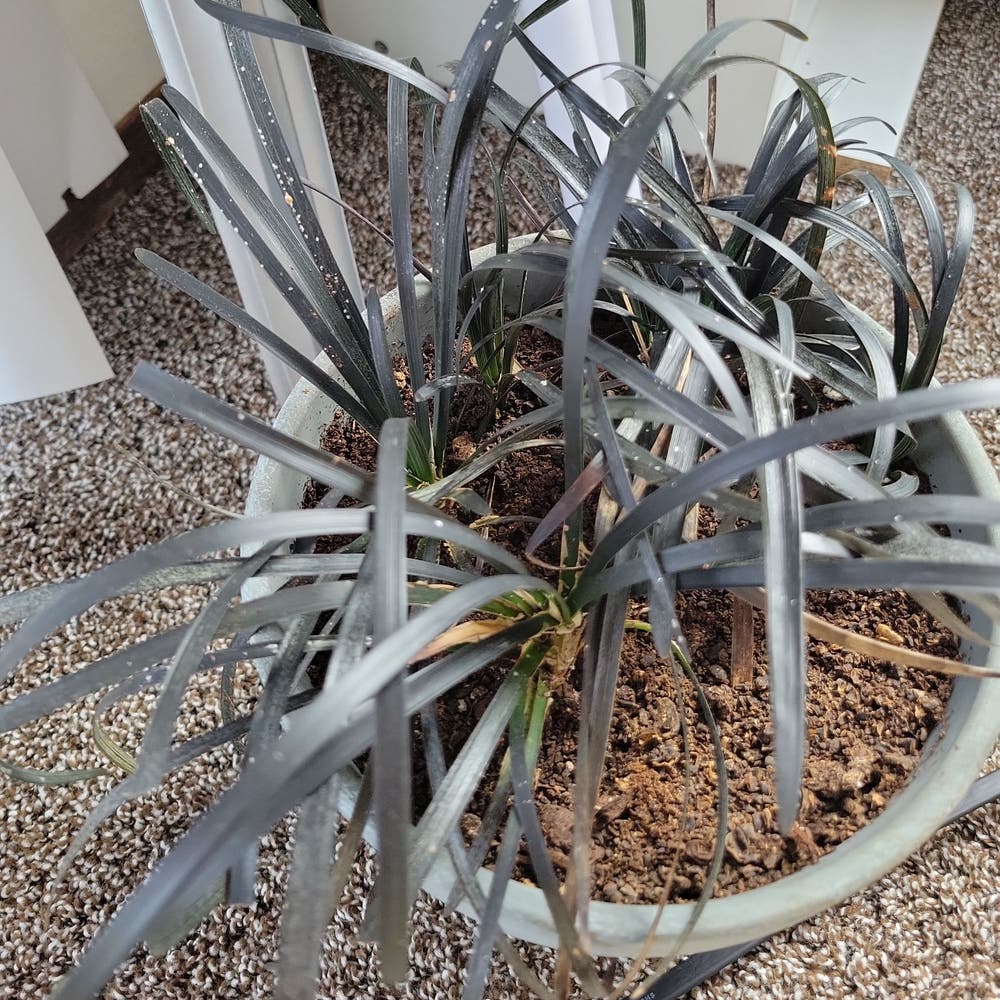
🏴☠️ Black Beard: Not an Annual
Ophiopogon planiscapus 'Black Beard'
By the Greg Editorial Team
Nov 09, 2024•7 min read
This article was created with the help of AI so we can cover more plants for you. May contain errors. See one? Report it here.
Unlock the secret to a resilient garden with Black Beard plants that thrive year after year! 🌱
- 🌱 Black Beard is a perennial, thriving for multiple seasons unlike short-lived annuals.
- 🌿 Robust root systems and optimized leaves ensure Black Beard's health and resilience.
- 🌼 Flowering in late summer attracts pollinators, enhancing its long-term survival and reproduction.
Black Beard's Perennial Nature
🌱 Genetic Characteristics
Black Beard plants possess a unique genetic makeup that equips them for longevity and resilience. These traits enable them to thrive in various environments, ensuring they can withstand the test of time.
Dormancy periods are another fascinating aspect of their genetics. These adaptations allow Black Beard to survive adverse conditions, such as extreme temperatures or drought, by entering a state of rest until conditions improve.
🌿 Root System Development
The root system of Black Beard is robust and well-developed. This strong foundation is crucial for efficient nutrient and water uptake, which supports the plant's overall health and longevity.
🌼 Physiological Traits Supporting Perennial Growth
The leaf structure of Black Beard is specially adapted for photosynthesis across multiple seasons. This feature allows the plant to maximize energy capture, ensuring sustained growth year after year.
Hormonal responses play a vital role in regulating growth throughout the seasons. These hormonal changes help the plant adjust to varying environmental conditions, promoting optimal development.
🌧️ Stress Tolerance
Black Beard exhibits remarkable stress tolerance, enabling it to survive both drought and cold. This resilience is key to its perennial nature, allowing it to endure challenges that would hinder less adaptable plants.
⏳ Long-Term Lifecycle
The lifecycle of Black Beard includes several distinct stages: germination, vegetative growth, flowering, and dormancy. Each phase is essential for the plant's development and contributes to its longevity.
The lifespan of Black Beard extends well beyond a single growing season. This long-term growth pattern is a hallmark of perennials, allowing them to thrive year after year.
Regeneration is another impressive feature of Black Beard. Each year, it can sprout anew from its established roots, ensuring a continuous presence in the garden.
As we explore the growth and reproductive strategies of Black Beard, we will uncover how these characteristics contribute to its success as a perennial plant.
Growth and Reproductive Strategies
🌱 Growth Patterns Compared to Annuals
Black Beard exhibits a slower initial growth rate compared to annuals, but this is part of its strategy for longevity. Over the years, it develops extensive root systems that anchor the plant and enhance nutrient and water uptake.
In terms of seasonal growth, Black Beard thrives during the spring and summer months, entering a dormant phase in winter. This cycle allows it to conserve energy and resources, ensuring it can bounce back each growing season.
🌼 Flowering Cycles
Flowering for Black Beard typically occurs in late summer to fall, providing a vibrant display when many other plants have faded. This extended flowering period allows it to attract pollinators over multiple seasons, ensuring successful reproduction.
The plant's ability to draw in pollinators consistently enhances its chances of producing viable seeds, which is crucial for its long-term survival.
🌾 Seed Production and Dispersal
When it comes to seed production, Black Beard is strategic about timing and quantity. It produces seeds in abundance, ensuring that some will survive to germinate in the next growing season.
Dispersal methods vary, with seeds being carried by wind, water, or even animals. This adaptability contrasts with annuals, which often have shorter seed viability and germination rates, making Black Beard a resilient choice for gardeners.
As we explore the regional variations and misconceptions surrounding Black Beard, it's essential to understand how environmental factors can influence its growth patterns.
Regional Variations and Misconceptions
🌱 Conditions Where Black Beard May Be Mistaken for an Annual
Black Beard, often misidentified as an annual, can exhibit behaviors that lead to this confusion. Environmental factors, such as extreme temperatures, can stunt its growth, making it appear less resilient than it truly is.
Care practices also play a significant role. Overwatering or poor soil conditions can hinder its development, leading to a perception of it being an annual plant.
Misidentification can occur due to seasonal behaviors that mimic those of annuals. During certain times of the year, Black Beard may seem to die back, prompting gardeners to assume it won't return.
🌦️ Exceptions in Growth Patterns Based on Climate or Care
Regional adaptations can significantly influence how Black Beard grows. In different climates, its growth patterns may vary, showcasing its remarkable ability to adapt.
The impact of care cannot be overstated. Proper fertilization and pruning can enhance its growth perception, allowing it to thrive and flourish over the years.
Seasonal influences also play a crucial role. Weather patterns, such as unexpected frosts or prolonged droughts, can alter expected behaviors, further complicating its classification.
Understanding these nuances helps gardeners appreciate Black Beard's true perennial nature, ensuring they provide the right care for its long-term success.
Gardening Implications
🌱 Advantages of Planting as a Perennial
Planting Black Beard as a perennial offers significant long-term benefits. First, it’s a cost-effective choice, as perennials return year after year, reducing the need for replanting.
Additionally, these plants support local ecosystems and biodiversity. By providing habitats and food sources for various wildlife, they contribute positively to the environment.
Lastly, perennials enhance the aesthetic appeal of gardens. With their ability to bloom across multiple seasons, they ensure year-round interest and beauty in your landscape.
🎨 Garden Design Strategies Utilizing Perennial Nature
To maximize the benefits of Black Beard, consider companion planting. Pairing it with other perennials creates a diverse garden that thrives together.
Layering is another effective strategy. By planting Black Beard at different heights, you can add depth and visual interest to your garden.
Planning for seasonal interest is crucial too. Choose varieties that bloom at different times to ensure continuous color and foliage throughout the year.
🛠️ Tips for Managing in a Perennial Garden
Successful perennial gardening starts with proper soil preparation. Ensure your soil is well-draining and rich in nutrients to support healthy growth.
Establishing a consistent watering schedule is vital. Regular watering helps maintain moisture levels, especially during dry spells.
Finally, mastering pruning techniques can encourage robust growth and flowering. Regularly trimming back spent blooms promotes new growth and keeps your plants looking their best.
By implementing these strategies, you can create a thriving perennial garden that not only beautifies your space but also supports the environment. As you cultivate your garden, remember that the journey of nurturing these plants is as rewarding as the blooms they produce.
Maximizing Longevity
Best Practices for Perennial Care 🌱
To ensure your Black Beard thrives, a well-planned fertilization schedule is essential. Use a balanced fertilizer in early spring to kickstart growth, followed by a lighter application in mid-summer to sustain vitality.
Pest management is another critical aspect of care. Regularly inspect your plants for common pests like aphids or spider mites, and employ organic solutions such as neem oil to keep infestations at bay.
Disease prevention practices are vital for maintaining plant health. Ensure good air circulation around your plants and avoid overhead watering to minimize the risk of fungal diseases.
Seasonal Considerations for Maintenance 🌸
Spring care is all about preparation. Clear away debris and dead foliage to make way for new growth, and consider applying a layer of mulch to retain moisture.
During summer, focus on maintenance. Regular watering is key, especially during dry spells, and deadheading spent blooms encourages more flowers throughout the season.
As winter approaches, preparation is crucial. Protect the roots and foliage by mulching heavily, which insulates the plants against freezing temperatures.
Common Challenges and Solutions ⚠️
Environmental stress can be a significant challenge for perennials. If you notice signs of drought or excessive moisture, adjust your watering practices accordingly to maintain balance.
Pest infestations can sneak up on you. Stay vigilant and treat any issues promptly with appropriate methods to prevent them from escalating.
Growth irregularities may arise, such as stunted or abnormal growth patterns. Assess your care routine, ensuring proper watering, fertilization, and light exposure to encourage healthy development.
By following these guidelines, you can maximize the longevity of your Black Beard and enjoy its beauty for years to come. Next, let’s explore the gardening implications of planting perennials.
⚠️ Safety First
This content is for general information and may contain errors, omissions, or outdated details. It is not medical, veterinary advice, or an endorsement of therapeutic claims.
Always consult a qualified healthcare professional before using any plant as food, medicine, or supplement.
Never eat any plant (or feed one to pets) without confirming its identity with at least two trusted sources.
If you suspect poisoning, call Poison Control (800) 222-1222, the Pet Poison Helpline (800) 213-6680, or your local emergency service immediately.
Spotted an error? Please report it here.
Unlock the potential of your garden with Black Beard's resilience 🌿 by using Greg's tailored care tips and reminders to help it thrive season after season!