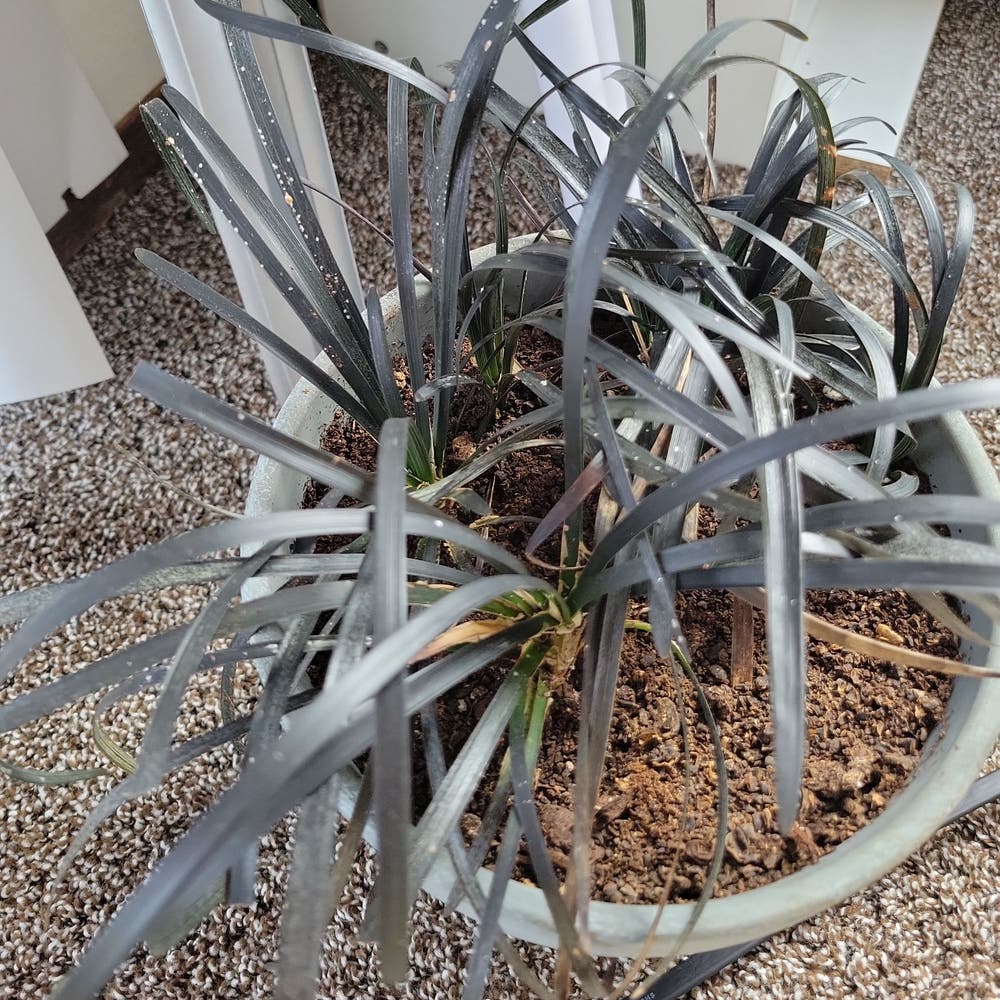
🏴☠️ How to Fix Curling Leaves on Your Black Beard
Ophiopogon planiscapus 'Black Beard'
By the Greg Editorial Team
Nov 09, 2024•5 min read
This article was created with the help of AI so we can cover more plants for you. May contain errors. See one? Report it here.
Revitalize your Black Beard plants 🌿 with essential tips on water quality and nutrient care for thriving growth! 💧
- 💧 Stable water conditions and regular testing prevent curling leaves on Black Beard plants.
- 🌱 Monitor pH and nutrient levels to ensure optimal health and avoid deficiencies.
- 🐛 Inspect regularly for pests like aphids; early detection is key to plant health.
Diagnosing the Problem
🌊 Assessing Water Quality and Parameters
Stable water conditions are crucial for the health of your Black Beard plants. Fluctuations can lead to curling leaves and other issues, so monitoring key parameters is essential.
Key Parameters to Monitor
- pH Levels: Aim for a range between 6.5 and 7.5.
- Ammonia and Nitrite Levels: Both should be at 0 ppm to ensure a safe environment.
- Nitrate Levels: Keep these below 20 ppm to prevent toxicity.
Testing your water quality at least once a week will help you catch any issues early. Regular checks ensure that your plants thrive in optimal conditions.
🥦 Identifying Nutrient Deficiencies
Nutrient deficiencies can manifest in various ways, affecting the overall health of your Black Beard. Recognizing these signs early can save your plants from further damage.
Signs of Nutrient Deficiencies
- Iron Deficiency: Look for yellowing between leaf veins.
- Potassium Deficiency: Watch for curling leaves and browning tips.
To accurately assess nutrient levels, use aquarium test kits. Observing plant growth patterns can also provide clues about deficiencies that need addressing.
🐛 Checking for Pests and Diseases
Pests and diseases can wreak havoc on your Black Beard plants. Regular inspections are vital to maintaining their health.
Common Pests Affecting Black Beard
- Aphids: These small, soft-bodied insects often hide on leaves.
- Snails: Shell-bearing pests that can cause significant damage.
Signs of infestation include visible pests and physical damage to leaves, such as holes or tears. Inspect your plants bi-weekly to catch any issues before they escalate.
By diagnosing these problems early, you can take proactive steps to restore your Black Beard's health. Next, we’ll explore effective methods to alleviate curling leaves and improve your plant care routine.
Alleviating Curling Leaves
🌊 Step-by-Step Guide to Improving Water Conditions
To start fixing curling leaves on your Black Beard, the first step is to test your water parameters using a reliable kit. This ensures you know exactly where your water quality stands.
Next, adjust the pH levels if necessary by using pH up or down solutions. Maintaining the ideal pH range of 6.5 to 7.5 is crucial for your plant's health.
Perform partial water changes of 20-30% weekly to enhance water quality. This simple action can significantly improve the overall environment for your Black Beard.
Finally, use a water conditioner to remove harmful chemicals from your water. This step is essential for creating a safe habitat for your aquatic plants.
🌱 Nutrient Supplementation Methods
When it comes to fertilizers, liquid options with balanced NPK ratios are ideal for Black Beard. These fertilizers provide the essential nutrients your plants need to thrive.
Iron supplements are particularly important for addressing deficiencies that can lead to curling leaves. Regularly check your plants for signs of nutrient issues to determine if supplementation is necessary.
Apply fertilizers monthly during the growing season for optimal results. Always follow the manufacturer’s instructions for dosage to avoid over-fertilization.
🐞 Pest Control Strategies
Pests can wreak havoc on your Black Beard, so consider natural pest control methods first. Introducing beneficial insects, like ladybugs, can help manage aphid populations effectively.
Manual removal of pests using a soft brush is another straightforward approach. This method allows you to keep a close eye on your plants while ensuring they stay healthy.
If pests persist, chemical control options are available. Insecticidal soap works well for soft-bodied pests, while snail traps can help control snail populations.
After treatment, monitor the effectiveness by checking your plants weekly. This ongoing vigilance will help you catch any pest issues before they escalate.
By following these steps, you can alleviate curling leaves and promote a healthier environment for your Black Beard. Next, let’s explore how to prevent future curling with best practices for care.
Preventing Future Curling
🌱 Best Practices for Black Beard Care
To keep your Black Beard healthy, regular water testing is essential. Adjustments based on test results can prevent many issues, including curling leaves.
A consistent fertilization schedule is also crucial. This ensures your plants receive the nutrients they need to thrive.
💡 Maintaining Optimal Environmental Conditions
Lighting plays a significant role in plant health. Aim for moderate to high light exposure for 8-10 hours daily to promote growth.
Temperature is another key factor. Keep the water temperature between 22°C to 28°C (72°F to 82°F) for optimal conditions.
Humidity levels should not be overlooked. Strive for 50-70% humidity in your aquarium to create a comfortable environment for your plants.
🔍 Regular Monitoring and Maintenance Tips
Conduct weekly checks on both plant health and water parameters. This proactive approach helps catch any potential problems early.
Monthly deep cleaning of the aquarium is vital. Removing debris not only enhances aesthetics but also supports a healthier ecosystem.
Finally, observe your plants' growth closely. Adjust your care routine as needed to ensure they continue to flourish.
By following these best practices, you can significantly reduce the chances of curling leaves and maintain a vibrant Black Beard. Next, let's explore how to effectively alleviate any existing curling issues.
⚠️ Safety First
This content is for general information and may contain errors, omissions, or outdated details. It is not medical, veterinary advice, or an endorsement of therapeutic claims.
Always consult a qualified healthcare professional before using any plant as food, medicine, or supplement.
Never eat any plant (or feed one to pets) without confirming its identity with at least two trusted sources.
If you suspect poisoning, call Poison Control (800) 222-1222, the Pet Poison Helpline (800) 213-6680, or your local emergency service immediately.
Spotted an error? Please report it here.
Keep your Black Beard curl-free 🌊 by using Greg's custom reminders for water quality and nutrient management to ensure your plants thrive!