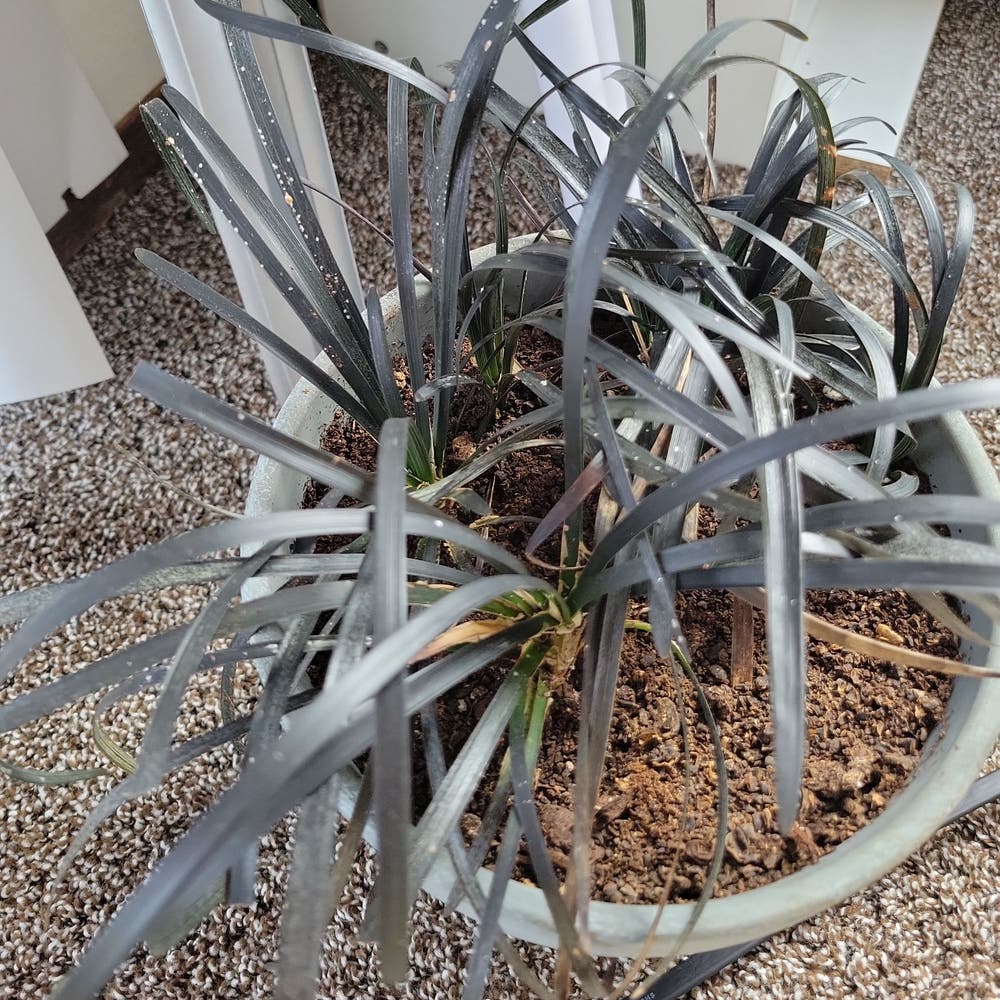
🏴☠️ Best Size and Type of Pot for Black Beard
Ophiopogon planiscapus 'Black Beard'
By the Greg Editorial Team
Nov 09, 2024•6 min read
This article was created with the help of AI so we can cover more plants for you. May contain errors. See one? Report it here.
Unlock your plants' full potential 🌱 by mastering the art of choosing the perfect pot size and material!
- 🌱 Seedlings need 4-6 inch pots; mature plants thrive in 10-12 inch pots.
- 🏺 Clay pots promote healthy roots; plastic pots retain moisture but risk overwatering.
- 🔄 Repot every 1-2 years when roots emerge from drainage holes for optimal growth.
Ideal Pot Sizes
🌱 For Seedlings
When starting with seedlings, aim for a container size of 4-6 inches in diameter. This size is perfect for their initial growth, as it allows for at least 6 inches of depth to accommodate early root development.
Starting small is crucial. It helps prevent overwatering and reduces the risk of root rot, ensuring your seedlings thrive in their early stages.
🌳 For Mature Plants
As your black beard plants mature, they will need more space. A 10-12 inch diameter pot is recommended, with a depth of 8-10 inches to support their extensive root systems.
Providing ample space is essential for growth and stability. A larger pot allows the plant to spread its roots, promoting healthier development.
🔄 Transitioning Pot Sizes During Growth Stages
Transitioning pot sizes is a natural part of plant care. Here are some guidelines to follow:
- Move to a larger pot when you notice roots emerging from the drainage holes.
- Increase the pot size by 2-4 inches in diameter to give your plant room to grow.
- Plan to transition every 1-2 years, or as needed based on the plant's growth rate.
Monitoring your plant's growth will help you determine the right time for repotting. This proactive approach ensures your black beard remains healthy and vibrant throughout its life cycle.
Pot Materials
🌱 Benefits of Clay Pots
Clay pots are a popular choice for many aquascapers due to their breathability. This feature allows for better aeration and moisture control, which is crucial for healthy root systems.
Their weight also provides stability in aquatic environments, preventing pots from tipping over. Plus, the natural look of clay complements various aquascaping designs, adding an organic touch to your setup.
🪴 Benefits of Plastic Pots
Plastic pots offer a lightweight alternative, making them easier to handle and reposition in your aquascape. This can be particularly useful when you want to change the layout or adjust plant placements.
They are generally more cost-effective than clay pots, making them accessible for beginners. However, while they retain moisture well, this can sometimes lead to overwatering if not monitored closely.
⚖️ Comparison of Other Materials
Ceramic Pots
Ceramic pots are known for their attractive designs, which can enhance the visual appeal of your aquascape. They also provide good moisture retention, helping to keep your plants hydrated.
On the downside, ceramic pots tend to be heavier and can be more expensive than plastic options. This might limit their practicality for larger setups or frequent rearrangements.
🛠️ Metal Pots
Metal pots are durable and long-lasting, making them a robust choice for certain environments. However, they can heat up quickly, which may harm the roots of your plants.
Due to their properties, metal pots are generally not ideal for aquatic settings. The risk of overheating can lead to stress for your plants, so it's best to consider other materials for your aquascaping needs.
Choosing the right pot material is essential for the health and growth of your plants. Each option has its pros and cons, so consider your specific needs and environment before making a decision.
Next, we’ll explore drainage considerations to ensure your plants thrive in their chosen pots.
Drainage Considerations
Importance of Drainage Holes 🌊
Drainage holes are crucial for preventing waterlogging and root rot in your black beard plants. Aim for at least 3-5 holes to ensure optimal drainage.
How Drainage Affects Plant Health 🌱
Excess water can create anaerobic conditions, which are harmful to root systems. Proper drainage is essential for promoting healthy root growth and efficient nutrient uptake.
Solutions for Poor Drainage 🛠️
If you encounter poor drainage, consider these effective solutions:
- Add a Layer of Gravel: Place a layer of gravel or coarse substrate at the bottom of the pot to enhance drainage.
- Choose Pots with Built-in Features: Opt for pots designed with built-in drainage features to facilitate water flow.
- Regular Maintenance: Regularly check and maintain drainage holes to prevent blockages that could hinder water escape.
By prioritizing drainage, you can significantly improve the health and vitality of your black beard plants. This attention to detail will set the stage for robust growth and flourishing aquascapes.
Next, we’ll explore the signs that indicate when it’s time to repot your plants for continued success.
Repotting Guidelines
Signs That Repotting is Needed 🌱
Recognizing when to repot your black beard plant is crucial for its health. Look for roots visible through drainage holes, as this indicates the plant is root-bound.
Additionally, stunted growth or yellowing leaves can signal that your plant needs more space. If the soil dries out too quickly or retains too much moisture, it’s time to consider repotting.
Best Time to Repot ⏰
Timing is everything when it comes to repotting. The ideal time is early spring, just before the growing season kicks off.
Avoid repotting during flowering or peak growth periods, as this can stress the plant and hinder its development.
Step-by-Step Repotting Process 🛠️
Repotting doesn’t have to be daunting. Follow these simple steps to ensure a smooth transition for your plant:
- Prepare a new pot with the appropriate size and drainage holes.
- Gently remove the plant from the old pot, taking care not to damage the roots.
- Inspect the roots for any signs of rot or damage; trim as necessary.
- Place the plant in the new pot, ensuring it sits at the same depth as before.
- Fill with fresh potting soil, firming it gently around the roots.
- Water thoroughly to settle the soil and eliminate any air pockets.
By following these guidelines, you’ll help your black beard thrive in its new home. A well-timed repotting can make all the difference in promoting healthy growth and vibrant foliage.
Next, let’s explore how the choice of pot size and material impacts your plant’s growth and overall health.
Impact of Pot Choice on Growth
🌱 How Size Affects Root Development
Choosing the right pot size is crucial for root health. Larger pots provide ample space for roots to expand, resulting in stronger, healthier plants.
Conversely, small pots can stifle growth, leading to root-bound conditions. This restricts nutrient uptake and can stunt overall plant development.
🏺 Effects of Material on Moisture Retention
The material of your pot significantly influences moisture levels. Clay pots are excellent for evaporation, which helps prevent overwatering and keeps roots healthy.
On the other hand, plastic pots retain moisture longer. This can be beneficial in drier conditions but may lead to issues if the environment is already humid.
🌿 Long-Term Health Implications
Selecting the right pot is essential for avoiding common problems like root rot and nutrient deficiencies. A well-chosen pot can enhance your plant's longevity and vitality, especially in aquascaping setups.
By considering both pot size and material, you set the stage for thriving plants. This thoughtful approach not only supports growth but also enriches your overall aquascaping experience.
Next, let’s explore the critical drainage considerations that can further impact your plant's health.
⚠️ Safety First
This content is for general information and may contain errors, omissions, or outdated details. It is not medical, veterinary advice, or an endorsement of therapeutic claims.
Always consult a qualified healthcare professional before using any plant as food, medicine, or supplement.
Never eat any plant (or feed one to pets) without confirming its identity with at least two trusted sources.
If you suspect poisoning, call Poison Control (800) 222-1222, the Pet Poison Helpline (800) 213-6680, or your local emergency service immediately.
Spotted an error? Please report it here.
Select the perfect pot for your black beard plants with Greg's tailored reminders and expert tips, ensuring they flourish in style! 🌿