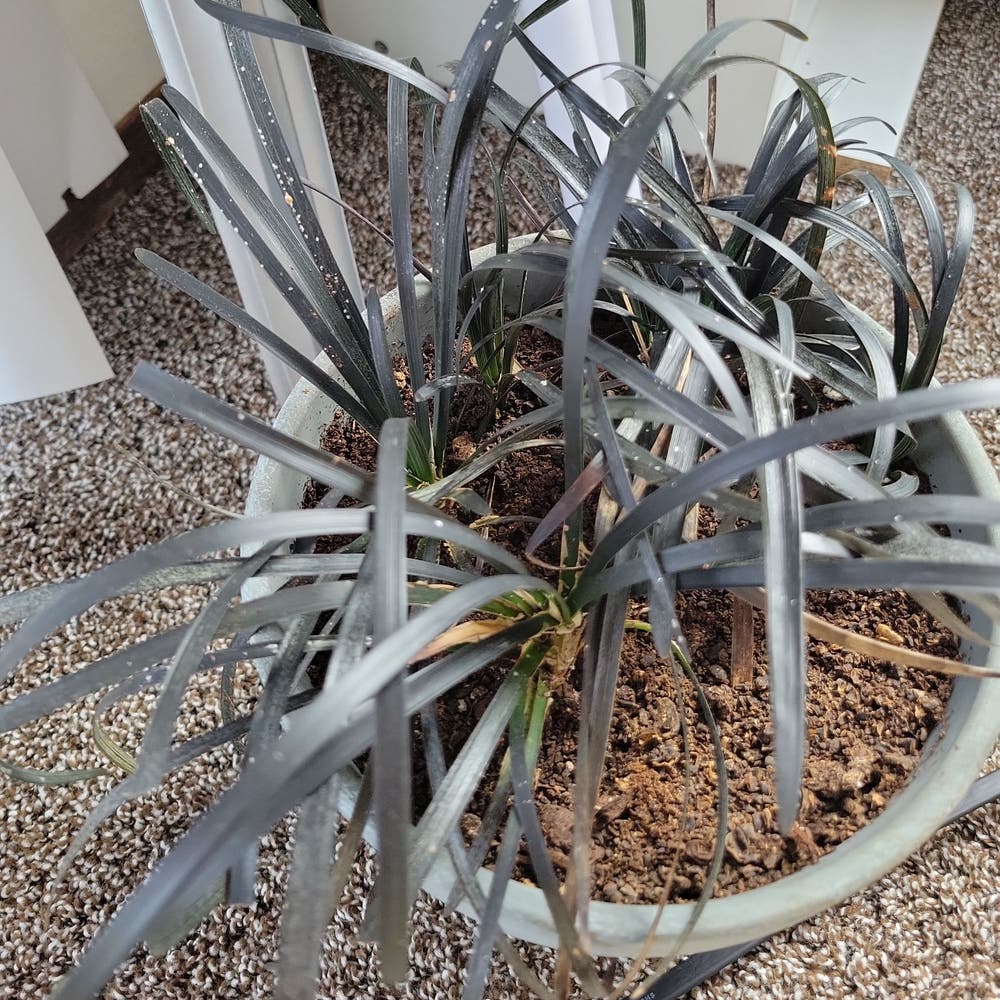
☀️ 5 Tips for Light Requirements for Your Black Beard
Ophiopogon planiscapus 'Black Beard'
By the Greg Editorial Team
Nov 09, 2024•4 min read
This article was created with the help of AI so we can cover more plants for you. May contain errors. See one? Report it here.
Master your Black Beard's light needs 🌱 for vibrant growth and stunning blooms all year round!
- 🌞 Black Beard thrives on 12-14 hours of bright, indirect light daily for optimal growth.
- 🌿 Insufficient light leads to leggy growth and pale leaves; monitor light conditions regularly.
- 💡 Use grow lights to ensure consistent light exposure, especially in low-light environments.
Optimal Light Conditions for Indoor Growth
🌞 Ideal Indoor Lighting
To thrive indoors, your Black Beard plant needs bright, indirect light for about 12-14 hours each day. This exposure mimics its natural habitat, ensuring robust growth and vibrant foliage.
The best light sources are near windows that allow filtered sunlight. Using sheer curtains can help diffuse direct rays, providing the perfect balance of light without overwhelming your plant.
🌳 Shade Tolerance
While Black Beard can tolerate lower light conditions, it may not flourish as well. In partial shade, you might notice slower growth and less vibrant coloration, which can be a bummer for any plant enthusiast.
Look for signs of adequate light, such as healthy, bushy growth and dark green leaves. These indicators show that your plant is happy and thriving in its indoor environment.
By understanding these light requirements, you can create an ideal setting for your Black Beard, ensuring it remains a stunning addition to your indoor garden. Next, let’s explore the optimal light conditions for outdoor growth.
Optimal Light Conditions for Outdoor Growth
🌞 Sunlight Needs
For your Black Beard to thrive outdoors, it craves bright, indirect sunlight. Direct midday sun can scorch its leaves, so it's best to find a spot that offers dappled light, especially near water bodies or shaded areas.
💡 Light Intensity
To ensure optimal growth, aim for a light intensity of 200-400 µmol/m²/s. This range provides the perfect balance, allowing your plant to flourish without the risk of overexposure.
📏 Monitoring Light Exposure
Using a light meter can be a game changer. It helps you keep track of how much light your Black Beard is getting, ensuring it receives just the right amount for healthy growth.
By understanding these outdoor light conditions, you set the stage for a vibrant and healthy Black Beard. Next, let’s explore how light duration impacts its overall health and growth.
Light Intensity and Duration Recommendations
Light Duration 🌞
To keep your Black Beard thriving, aim for 12-14 hours of light exposure daily. This mimics the natural conditions they flourish in, ensuring robust growth and vibrant foliage.
As the seasons change, adjust your light duration accordingly. Increase exposure during the longer days of summer and decrease it in winter to maintain optimal health.
Effects of Insufficient Light 🚫
When your plant doesn't get enough light, it will show clear signs of distress. Look out for leggy growth, pale leaves, and a general decline in vigor.
Over time, insufficient light can lead to serious consequences. Your Black Beard may suffer from declining health and become more vulnerable to pests and diseases, so it's crucial to monitor their light conditions closely.
With the right light intensity and duration, your Black Beard can thrive beautifully, setting the stage for the next topic on flowering and light.
Flowering and Light
🌼 Role of Light in Flowering
When it comes to Black Beard plants, flowering is a rare event indoors. Typically, these beauties save their blooms for the great outdoors, where they can thrive in their natural habitat.
However, light quality and duration play a crucial role in triggering flowering. In optimal outdoor conditions, adequate light exposure can encourage these plants to bloom, showcasing their vibrant potential.
Understanding these light dynamics can help you create the best environment for your Black Beard, whether indoors or out. As you nurture your plant, remember that the right light can make all the difference in its growth and flowering journey.
Next, let's explore how to effectively use grow lights to support your Black Beard's growth.
Using Grow Lights
🌟 Benefits of Grow Lights
Grow lights are a game changer for indoor gardening. They provide consistent light exposure, especially in low-light environments, ensuring your Black Beard thrives.
These lights also support healthy foliage, helping your plant maintain vibrant coloration and a bushy appearance. With the right setup, you can create an indoor oasis that rivals natural conditions.
💡 Types of Grow Lights
When it comes to choosing grow lights, LED and fluorescent options are top picks. They offer energy efficiency and an effective light spectrum that your plants will love.
Full-spectrum lights are particularly beneficial, as they provide both blue and red wavelengths essential for optimal growth. This balance mimics natural sunlight, giving your Black Beard the best chance to flourish.
📏 Placement and Duration
Placement is key for effective grow lights. Position them 12-24 inches above your plant to prevent overheating and ensure even light distribution.
For optimal results, aim for 12-14 hours of artificial light exposure daily. This duration simulates natural conditions, helping your plant thrive year-round.
With the right grow lights and setup, your Black Beard will not only survive but thrive, showcasing its full potential. Next, let’s explore how light intensity and duration can further enhance your plant’s growth.
⚠️ Safety First
This content is for general information and may contain errors, omissions, or outdated details. It is not medical, veterinary advice, or an endorsement of therapeutic claims.
Always consult a qualified healthcare professional before using any plant as food, medicine, or supplement.
Never eat any plant (or feed one to pets) without confirming its identity with at least two trusted sources.
If you suspect poisoning, call Poison Control (800) 222-1222, the Pet Poison Helpline (800) 213-6680, or your local emergency service immediately.
Spotted an error? Please report it here.
Keep your Black Beard thriving with optimal light exposure 🌞 by using Greg's tailored tips to ensure it gets the 12-14 hours of bright, indirect light it craves!