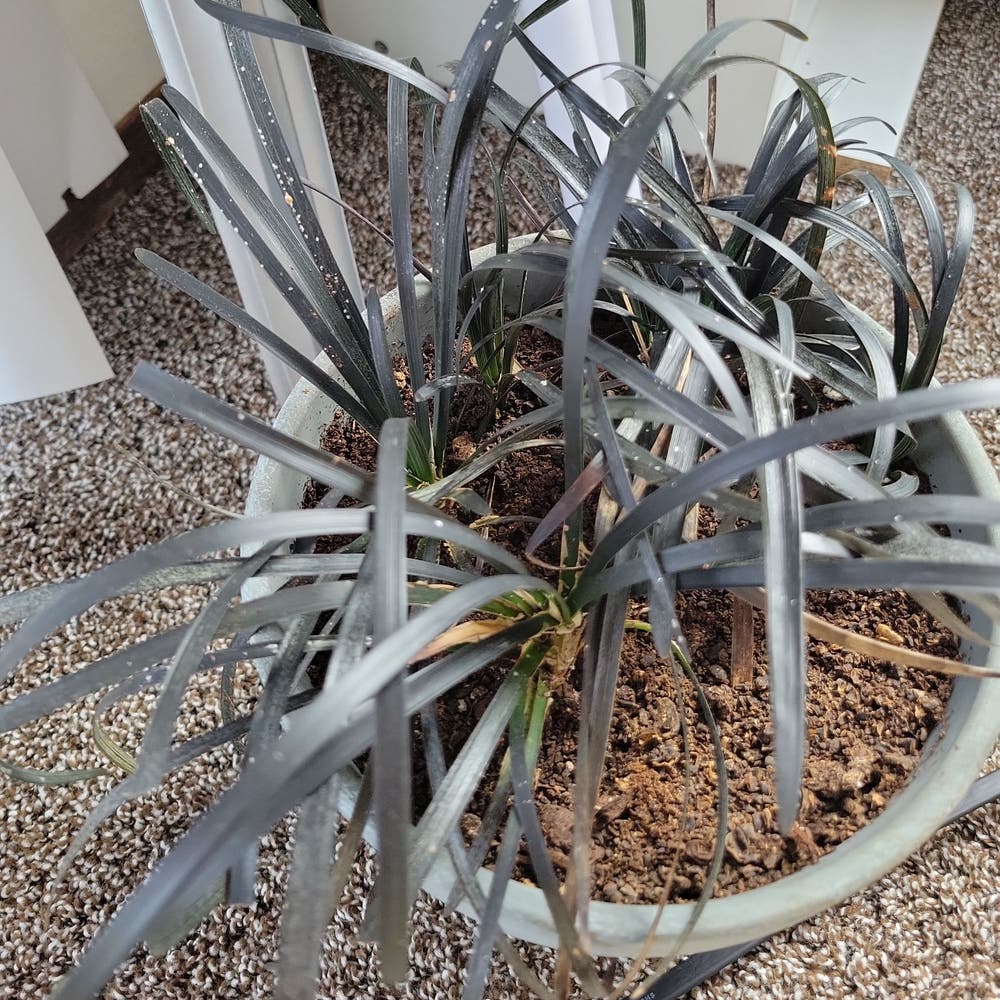
🏴☠️ Ultimate Guide to Black Beard Flowers
Ophiopogon planiscapus 'Black Beard'
By the Greg Editorial Team
Nov 09, 2024•5 min read
This article was created with the help of AI so we can cover more plants for you. May contain errors. See one? Report it here.
Unlock Black Beard's rare blooms 🌼 while reveling in its stunning foliage—your garden deserves this beauty!
- 🌿 Black Beard flowers are small and secondary; lush foliage is the main attraction.
- 🌞 Proper care and light are essential for blooming; adjust conditions for best results.
- 🌱 Black Beard thrives in various environments, ensuring longevity even without frequent flowers.
Flowering Status of Black Beard
🌼 Clarification on Flower Production
Black Beard can indeed produce flowers, but let's be real: they aren't the star of the show. This plant is primarily celebrated for its lush foliage, which steals the spotlight.
The flowering status of Black Beard is heavily influenced by its environment and care practices. If you want those blooms, you'll need to pay attention to the conditions in which your plant thrives.
🚫 Reasons for Non-Flowering
Most people grow Black Beard for its stunning leaves, which can grow impressively large and glossy. This focus on foliage often overshadows the flowers, making them a secondary feature.
Several factors can inhibit flowering, including insufficient light, poor soil conditions, and improper care. If your Black Beard isn't blooming, it might be time to reassess its growing conditions.
In summary, while Black Beard can flower, its true beauty lies in its vibrant leaves. With the right care, you can enjoy both its foliage and the occasional bloom, but don't be surprised if the flowers take a backseat.
Next, we’ll dive into what happens if Black Beard does flower, exploring its unique characteristics and blooming process.
If Black Beard Flowers
🌼 Flower Characteristics
Description of Colors and Structure
Black Beard flowers are small and typically range from white to creamy in color. They grow in clusters, with a flower spike that can reach several inches in height, adding a subtle charm to the plant.
Self-Pollination vs. External Pollination
These flowers are primarily self-pollinating, which means they can fertilize themselves. However, cross-pollination can occur, thanks to the assistance of insects, enhancing genetic diversity.
🌸 Blooming Process
Outline of Blooming Stages
The blooming process begins with bud formation in late summer. The actual bloom time usually occurs in the fall, around September to October, marking a beautiful transition in the plant's life cycle.
Time from Bud Formation to Full Bloom
Once buds form, it takes approximately 4-6 weeks for them to reach full bloom. This timeframe allows for a gradual and stunning display of flowers.
Duration of Flower Lifespan
Once in bloom, the flowers typically last for about 1-2 weeks before fading. This short lifespan emphasizes the importance of enjoying their beauty while it lasts.
🌱 Encouraging Blooms
Tips to Encourage Black Beard to Bloom
To encourage your Black Beard to bloom, consider these tips:
- Ensure adequate light exposure, ideally in partial to full shade.
- Maintain consistent moisture without waterlogging the soil.
- Fertilize with a balanced fertilizer during the growing season to promote healthy growth.
Factors Influencing Flowering
Several factors influence the flowering potential of Black Beard. Light levels, soil quality, and overall plant health play crucial roles in determining whether your plant will bloom.
🌿 Post-Flowering
What Happens After Flowering
After the flowering period, the plant may enter a phase of dormancy. During this time, the foliage remains vibrant, but the plant redirects its energy away from flower production.
Discussion on Whether Black Beard Dies After Flowering
Rest assured, Black Beard does not die after flowering. It continues to thrive and can produce new growth, ensuring its place in your garden for years to come.
This exploration of Black Beard's flowering habits highlights its unique characteristics and care requirements. Next, we will delve into what happens when Black Beard doesn't flower, focusing on its ornamental features and reproductive strategies.
If Black Beard Doesn't Flower
🌿 Primary Ornamental or Functional Features
Black Beard is celebrated for its large, glossy leaves that can reach up to 12 inches wide. This impressive foliage provides a lush, tropical appearance, making it a standout choice for both indoor and outdoor landscaping.
The plant thrives in shaded areas, which adds to its versatility. Whether you're looking to enhance a dim corner of your garden or bring some greenery indoors, Black Beard fits the bill perfectly.
🌱 Explanation of How Black Beard Reproduces Without Flowers
Interestingly, Black Beard has a unique way of reproducing without relying on flowers. It reproduces vegetatively through offsets or cuttings, a method that many non-flowering plants utilize.
This vegetative reproduction allows for easy propagation, ensuring that even without flowers, Black Beard can continue to thrive and expand. It's a resilient strategy that highlights the plant's adaptability to various growing conditions.
Unique Aspects of Black Beard
🌼 Unusual Characteristics Related to Flowering or Non-Flowering Nature
Black Beard is indeed capable of flowering, but its true charm lies in its lush foliage. The large, glossy leaves steal the show, making it a favorite among plant enthusiasts.
This plant thrives in various soil types, showcasing remarkable resilience and adaptability. Its ability to flourish in less-than-ideal conditions only adds to its appeal.
🤓 Interesting Facts or Trivia About Black Beard's Reproductive Strategy
One of the most fascinating aspects of Black Beard is its vegetative reproduction. This means it can propagate through offsets or cuttings, allowing it to thrive even when flowering is minimal.
The plant's life cycle is predominantly influenced by its foliage rather than its flowering habits. This unique reproductive strategy ensures that Black Beard remains a robust and enduring presence in any garden.
🌱 Relation of Flowering (or Lack Thereof) to the Plant's Life Cycle
The absence of significant flowering does not compromise the health or longevity of Black Beard. In fact, the plant's life cycle emphasizes foliage growth, making it a long-lasting addition to both indoor and outdoor spaces.
With its vibrant leaves and hardy nature, Black Beard continues to thrive, proving that beauty can often be found beyond the blooms. As we explore further, let’s delve into how to encourage this remarkable plant to bloom.
⚠️ Safety First
This content is for general information and may contain errors, omissions, or outdated details. It is not medical, veterinary advice, or an endorsement of therapeutic claims.
Always consult a qualified healthcare professional before using any plant as food, medicine, or supplement.
Never eat any plant (or feed one to pets) without confirming its identity with at least two trusted sources.
If you suspect poisoning, call Poison Control (800) 222-1222, the Pet Poison Helpline (800) 213-6680, or your local emergency service immediately.
Spotted an error? Please report it here.
Celebrate the vibrant foliage of Black Beard flowers 🌿 while Greg provides tailored care reminders to help your plant thrive and bloom beautifully!