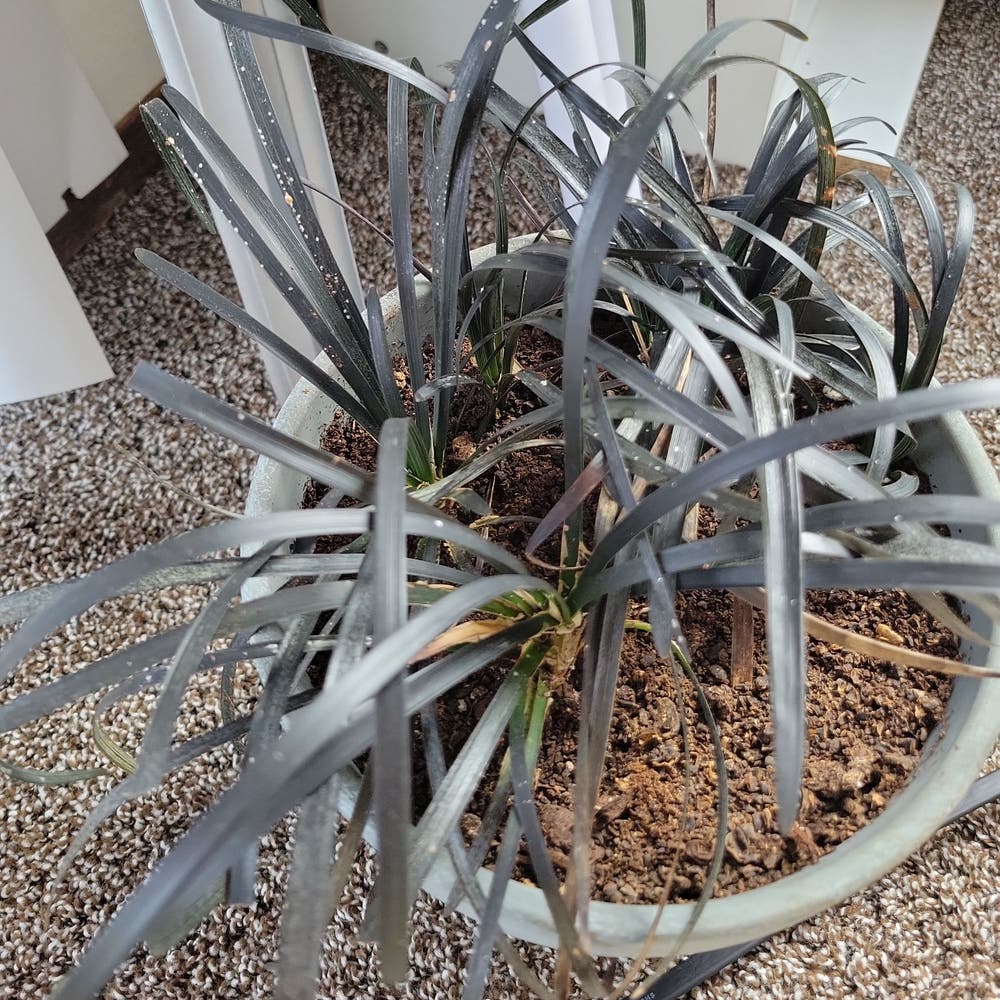
🏴☠️ Black Beard is Not an Invasive Plant
Ophiopogon planiscapus 'Black Beard'
By the Greg Editorial Team
Nov 09, 2024•7 min read
This article was created with the help of AI so we can cover more plants for you. May contain errors. See one? Report it here.
Transform your garden with Black Beard 🌱—a stunning, non-invasive plant that boosts biodiversity and supports local ecosystems! 🌿
- 🌱 Black Beard is non-invasive, ensuring safety for local ecosystems and biodiversity.
- 🐝 Supports wildlife by attracting pollinators and enhancing local habitats.
- 🌿 Moderate growth allows Black Beard to coexist harmoniously with native plants.
Plant Classification
Definition of Invasive Plants 🌱
Invasive plants are species that exhibit certain aggressive traits. They typically grow and spread rapidly, often displacing native flora and disrupting local ecosystems.
Key characteristics of invasive species include:
- Rapid growth and spread: They can quickly dominate an area.
- Displacement of native species: They outcompete local plants for resources.
- Negative impact on ecosystems: They can alter habitats and reduce biodiversity.
Characteristics of Non-Invasive Plants 🌼
In contrast, non-invasive plants tend to have more moderate growth patterns. They grow slowly to moderately, with limited potential for spread.
These plants contribute positively to their environments by:
- Supporting local ecosystems.
- Coexisting harmoniously with native species.
Explanation of Why Black Beard is Not Invasive 🌿
Black Beard stands out as a non-invasive option for gardeners. It features a moderate growth rate and controlled spread, making it easy to manage.
This plant adapts well to various conditions without overwhelming native flora. Additionally, it fosters positive interactions with local ecosystems and wildlife, enhancing biodiversity rather than hindering it.
In summary, Black Beard is a beneficial choice for gardens, promoting ecological balance while providing aesthetic appeal. This sets the stage for exploring its growth habits in the next section.
Growth Habits
Typical Growth Patterns in Gardens 🌱
Black Beard is known for its dense foliage, which effectively provides ground cover. Typically, it reaches an average height of 2-3 feet and spreads about 1-2 feet, making it an excellent choice for filling in spaces.
In terms of seasonal growth, Black Beard thrives during spring and summer, showcasing vibrant growth. As winter approaches, it enters a period of dormancy, conserving energy for the next growing season.
Natural Limits to Growth and Spread Potential 🌍
Several factors naturally limit the spread of Black Beard. Soil conditions, light availability, and competition with other plants all play crucial roles in regulating its growth.
To manage its growth effectively, typical maintenance practices include regular pruning and monitoring soil health. This ensures that Black Beard remains a beautiful and controlled addition to your garden without overwhelming other plants.
With its manageable growth habits, Black Beard can be a delightful and sustainable choice for any garden enthusiast. As we explore its ecological role next, you'll see how it contributes positively to local ecosystems.
Ecological Role
Benefits of Black Beard in Ecosystems 🌿
Black Beard plays a vital role in local ecosystems by providing essential habitat for wildlife. Its dense foliage offers shelter for pollinators and beneficial insects, creating a thriving environment for these creatures.
Additionally, Black Beard enhances soil health through its robust root structure. As the plant grows, it contributes organic matter to the soil, improving its overall quality and fertility.
Positive Interactions with Local Wildlife 🐝
One of the standout features of Black Beard is its ability to attract a variety of pollinators. Bees, butterflies, and other beneficial insects are drawn to its blooms, making it a crucial player in supporting local biodiversity.
Moreover, Black Beard serves as a food source for various insects and birds. This interaction fosters a balanced ecosystem where different species can coexist and thrive.
Contributions to Soil Health and Biodiversity 🌍
Black Beard significantly improves soil structure and nutrient cycling. Its roots help aerate the soil, allowing for better water infiltration and root growth for surrounding plants.
By supporting a diverse range of plant and animal life, Black Beard contributes to a rich garden ecosystem. This diversity not only enhances the beauty of your garden but also promotes ecological resilience.
In summary, Black Beard is more than just a beautiful plant; it’s a cornerstone of healthy ecosystems. Its positive interactions with wildlife and contributions to soil health make it an excellent choice for any garden. Next, we’ll explore how to effectively incorporate Black Beard into your garden designs.
Garden Management
Effective Incorporation into Garden Designs 🌿
When planning your garden, consider grouping Black Beard with complementary plants. This arrangement not only enhances visual appeal but also creates a harmonious ecosystem.
Ideal locations for Black Beard include borders, mixed beds, or as ground cover. Its moderate growth and dense foliage make it a versatile choice for various garden styles.
Maintenance Tips for Controlling Growth ✂️
To keep Black Beard thriving, regular pruning is essential. Trim it back periodically to maintain your desired shape and size, ensuring it remains an attractive feature in your garden.
Watering and fertilization are also key to optimal health. Provide adequate moisture and nutrients without overdoing it, as this can lead to excessive growth.
Aesthetic Considerations for Planting 🎨
Black Beard's rich color and texture beautifully complement other plants. Its lush foliage adds depth and interest to your garden design.
Seasonal changes in its foliage provide ongoing visual interest throughout the year. This dynamic quality makes Black Beard a standout choice for any garden enthusiast.
Incorporating Black Beard into your garden not only enhances its beauty but also supports a healthy ecosystem. As you plan your garden, consider how this non-invasive plant can contribute to both aesthetics and biodiversity.
Comparison to Other Plants
🌱 Similar Non-Invasive Plants for Comparison
When considering non-invasive options for your garden, Black Beard stands out alongside native ground covers and perennials. Plants like creeping thyme and wild ginger share similar growth habits but differ in their ecological contributions and adaptability.
🌟 Unique Qualities of Black Beard
Black Beard is known for its dense foliage, which provides excellent ground cover while adapting well to various conditions. Its aesthetic appeal, combined with low maintenance requirements, makes it a favorite among gardeners seeking beauty without the hassle.
🌼 Benefits of Choosing Black Beard Over Other Plants
Opting for Black Beard means you can enjoy a non-invasive plant that integrates harmoniously into your garden. Its positive ecological impacts, such as supporting local wildlife, set it apart from more aggressive species that can disrupt local ecosystems.
Incorporating Black Beard into your garden not only enhances its beauty but also contributes to a balanced and thriving environment. As you explore your planting options, consider how this versatile plant can elevate your garden while supporting nature.
Legal and Environmental Considerations
📜 Relevant Classifications and Guidelines for Black Beard
When considering Black Beard for your garden, it's essential to be aware of local regulations. Many regions have guidelines that promote the use of non-invasive plants, ensuring that your gardening choices support local ecosystems.
Sourcing Black Beard from reputable nurseries is crucial. This guarantees that you are planting varieties that are confirmed to be non-invasive, helping to maintain the ecological balance in your area.
🌱 Sustainable Gardening Practices Involving Black Beard
Integrating Black Beard into permaculture designs can significantly enhance biodiversity. This plant thrives in various conditions, making it a versatile choice for sustainable gardens.
By incorporating Black Beard, you promote sustainable landscapes that support local wildlife. Its presence can help create a thriving ecosystem that benefits both plants and animals.
🌍 Environmental Impact and Benefits of Planting Black Beard
Planting Black Beard contributes positively to local ecosystems. It provides essential habitat and food sources for wildlife, including pollinators and beneficial insects.
Moreover, Black Beard enhances garden aesthetics while maintaining ecological balance. Its lush foliage not only beautifies your space but also supports a diverse range of life, making it a win-win for gardeners and nature alike.
As you consider your gardening options, remember that choosing non-invasive plants like Black Beard can lead to a more harmonious relationship with the environment. This choice fosters a vibrant ecosystem that thrives on mutual support and respect.
⚠️ Safety First
This content is for general information and may contain errors, omissions, or outdated details. It is not medical, veterinary advice, or an endorsement of therapeutic claims.
Always consult a qualified healthcare professional before using any plant as food, medicine, or supplement.
Never eat any plant (or feed one to pets) without confirming its identity with at least two trusted sources.
If you suspect poisoning, call Poison Control (800) 222-1222, the Pet Poison Helpline (800) 213-6680, or your local emergency service immediately.
Spotted an error? Please report it here.
Enhance your garden's beauty while supporting local ecosystems with Black Beard 🌿, and let Greg guide you with tailored care tips to ensure this non-invasive plant thrives effortlessly!