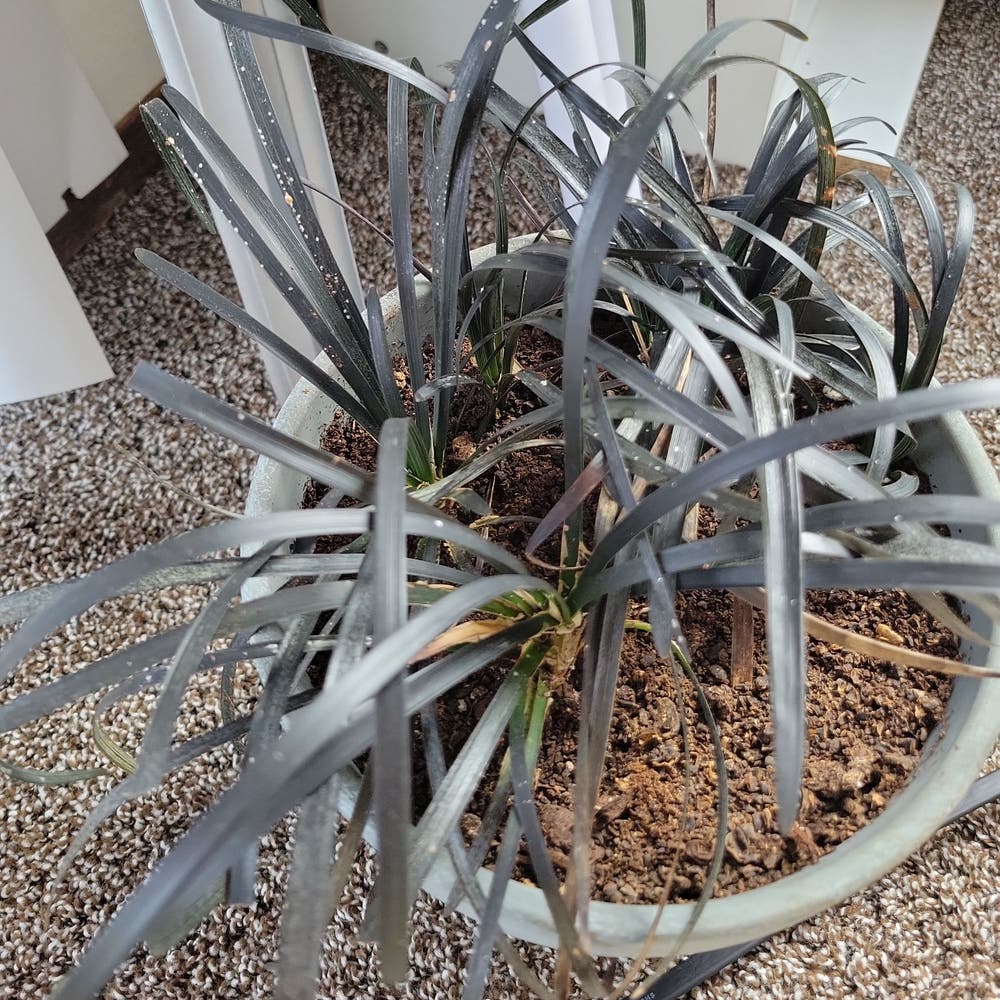
Reasons Your Black Beard Leaves Are Turning Yellow ☀️
Ophiopogon planiscapus 'Black Beard'
By the Greg Editorial Team
Nov 09, 2024•5 min read
This article was created with the help of AI so we can cover more plants for you. May contain errors. See one? Report it here.
Uncover the secrets to reviving your Black Beard plant's health by tackling yellowing leaves! 🌱
- 🌱 Yellow leaves indicate issues like nutrient deficiencies, pests, or watering problems.
- 💧 Overwatering and underwatering both cause yellowing; maintain a consistent watering schedule.
- ☀️ Light conditions matter - adjust exposure to prevent leaf scorch and promote growth.
Causes of Yellowing Leaves
Yellowing leaves on your Black Beard can be a sign of various underlying issues. Understanding these causes is crucial for restoring your plant's health.
🌱 Nutrient Deficiencies
Nitrogen Deficiency
Nitrogen is vital for plant growth, and a deficiency often manifests as older leaves turning yellow while new growth remains vibrant. This imbalance can stunt overall growth and vitality.
Iron Deficiency
Iron deficiency presents itself through yellowing between leaf veins, leaving the veins themselves green. This condition can hinder photosynthesis, impacting your plant's health.
💧 Watering Issues
Overwatering and Root Rot
Overwatering can lead to root rot, characterized by yellowing leaves, wilting, and mushy roots. It's essential to monitor your watering habits to prevent this damaging condition.
Underwatering and Drought Stress
On the flip side, underwatering causes leaf curling, dry edges, and yellowing. Recognizing these symptoms early can help you adjust your watering routine effectively.
☀️ Light Conditions
Too Much Light
Excessive light can scorch leaves, resulting in browning edges and yellowing. Finding the right balance of light exposure is key to keeping your Black Beard healthy.
Too Little Light
Insufficient light leads to slow growth, a leggy appearance, and yellowing leaves. Ensuring your plant receives adequate light is crucial for its overall well-being.
🐛 Pest Infestations
Common Pests
Aphids are notorious for infesting plants, causing significant damage and stress. Look for signs of these pests, as they can severely impact leaf health.
Spider mites are another common threat, leaving behind symptoms of damage that can stress your Black Beard. Regular checks can help you catch these infestations early.
🍄 Fungal Infections
Powdery Mildew
Powdery mildew appears as white powdery spots on leaves, which can lead to yellowing. Identifying this fungal infection promptly is essential for effective treatment.
Understanding these causes of yellowing leaves is the first step toward revitalizing your Black Beard. Next, we'll explore how to diagnose these issues effectively.
Diagnosing Yellow Leaves
🌿 Visual Signs of Nutrient Deficiency
Identifying nutrient deficiencies in your Black Beard plant starts with observing leaf appearance. For instance, if older leaves turn yellow while new growth remains vibrant, you might be facing a nitrogen deficiency.
💧 Identifying Watering Issues
Watering problems can manifest in distinct ways. Overwatering typically results in yellowing leaves, wilting, and mushy roots, while underwatering leads to leaf curling, dry edges, and yellowing.
☀️ Assessing Light Exposure
Evaluating light conditions is crucial for plant health. You can use a light meter to measure the intensity of light your Black Beard receives, ensuring it’s neither too much nor too little.
🐛 Recognizing Pest Damage
Pest infestations can severely affect your plant's health. Look for visual cues such as distorted leaves or sticky residue, which may indicate the presence of pests like aphids or spider mites.
🍄 Identifying Fungal Symptoms
Fungal infections often show up as white powdery spots on leaves. Regularly examine both leaves and roots for signs of powdery mildew or other fungal issues to catch them early.
By diagnosing these issues promptly, you can take the necessary steps to restore your Black Beard's health. Next, let’s explore effective solutions for yellowing leaves.
Solutions for Yellowing Leaves
🌊 Adjusting Watering Practices
Establishing a consistent watering schedule is crucial for your Black Beard's health. Aim to water when the top inch of soil feels dry, ensuring the roots receive adequate moisture without becoming waterlogged.
🌱 Fertilizing Appropriately
To combat nutrient deficiencies, choose fertilizers high in nitrogen or iron, depending on the specific issue. A balanced, slow-release fertilizer can also provide essential nutrients over time, promoting vibrant green growth.
☀️ Modifying Light Conditions
Assess your plant's light exposure and adjust accordingly. If your Black Beard is receiving too much direct sunlight, consider moving it to a spot with filtered light or partial shade to prevent leaf scorch.
🐛 Treating Pests and Diseases
For pest infestations, treatments like insecticidal soap or neem oil can be effective. Regularly inspect your plant for signs of pests and act quickly to minimize damage.
⚖️ Soil Amendments for pH Balance
Maintaining the right soil pH is vital for nutrient availability. Test your soil and amend it with lime to raise pH or sulfur to lower it, ensuring your Black Beard can absorb the nutrients it needs.
By implementing these solutions, you can help restore your Black Beard's health and prevent yellowing leaves in the future. Next, let's explore preventative measures to keep your plant thriving year-round.
Preventative Measures
Regular Monitoring of Plant Health 🌱
Routine checks are essential for spotting signs of stress or disease early. Keep an eye out for yellowing leaves, wilting, or any unusual growth patterns.
Best Practices for Watering 💧
Effective watering techniques can prevent yellowing leaves. Water your Black Beard deeply but infrequently, allowing the top inch of soil to dry out between sessions.
Ideal Soil Conditions 🌍
Well-draining soil is crucial for the health of your Black Beard. Aim for a mix that retains moisture without becoming soggy, as this helps prevent root rot.
Seasonal Care Tips 🌦️
Adjust your care practices with the changing seasons. In winter, reduce watering and ensure your plant gets enough light, while in summer, be mindful of increased evaporation and potential heat stress.
Importance of Proper Light Exposure ☀️
Providing the right amount of light year-round is vital. Aim for bright, indirect sunlight, and consider rotating your plant to ensure even light distribution.
By implementing these preventative measures, you can maintain the health of your Black Beard and minimize the risk of yellowing leaves. Next, let's explore how to diagnose yellow leaves effectively.
⚠️ Safety First
This content is for general information and may contain errors, omissions, or outdated details. It is not medical, veterinary advice, or an endorsement of therapeutic claims.
Always consult a qualified healthcare professional before using any plant as food, medicine, or supplement.
Never eat any plant (or feed one to pets) without confirming its identity with at least two trusted sources.
If you suspect poisoning, call Poison Control (800) 222-1222, the Pet Poison Helpline (800) 213-6680, or your local emergency service immediately.
Spotted an error? Please report it here.
Revive your Black Beard's vibrant leaves by using Greg's tailored care tips to tackle nutrient deficiencies and watering issues effortlessly! 🌿 Thrive with confidence!